

A shift that goes beyond the classroom
The role of teachers in the digital era is no longer confined to delivering content within structured environments. Across different regions, education systems are recognizing that teaching now involves navigating digital ecosystems, facilitating knowledge exchange, and guiding learners through increasingly complex information landscapes.
This transformation is not driven solely by technology adoption, but by the changing nature of knowledge itself. Information is abundant, constantly updated, and accessible across platforms, which requires a different kind of educational approach—one that prioritizes interpretation, critical thinking, and adaptability.
From content delivery to learning architecture
Traditional models positioned teachers as primary sources of knowledge. Today, their role is evolving toward designing learning experiences that connect content, context, and application. This includes structuring digital interactions, integrating multiple sources, and creating pathways that support diverse learning styles.
As a result, teaching becomes a form of learning architecture. Educators must think in terms of systems rather than isolated lessons, ensuring that each component of the learning journey contributes to broader competencies.
What this transformation requires from higher education
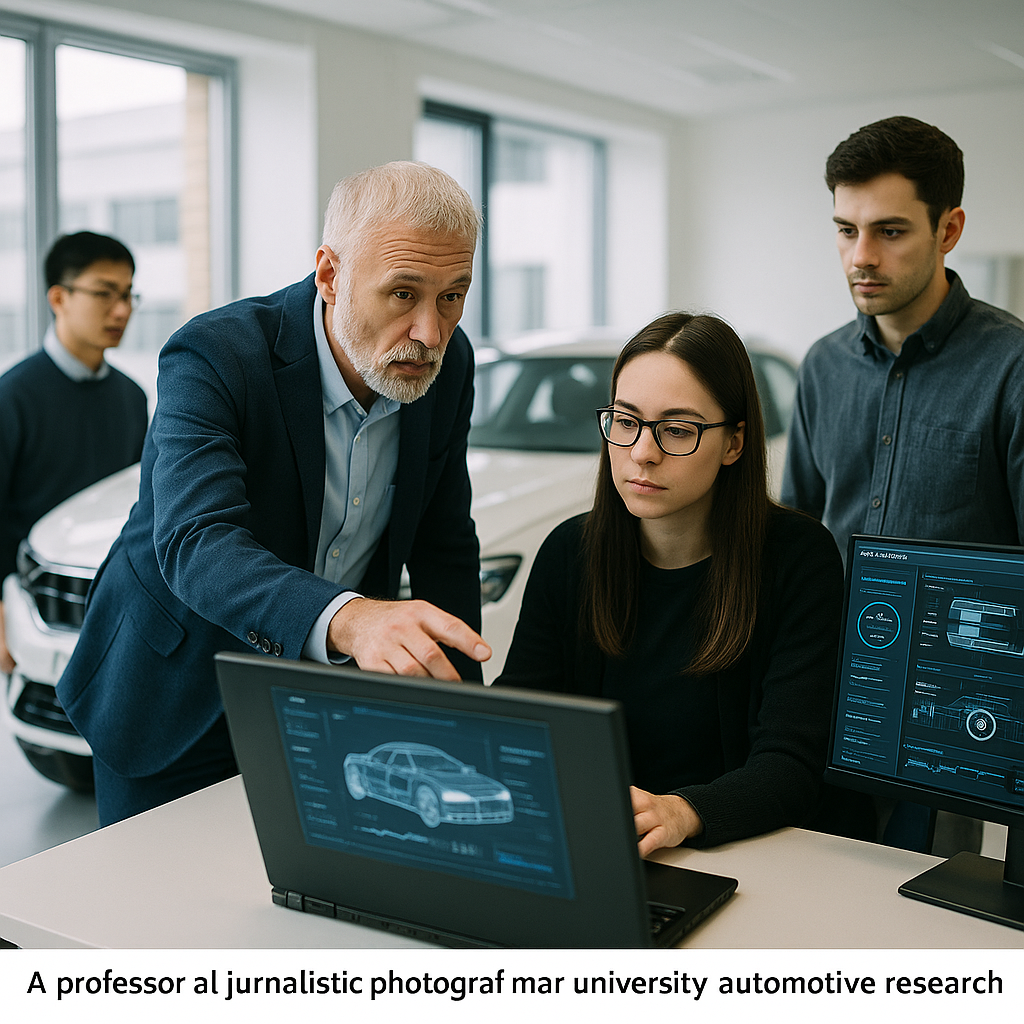
Universities and training institutions are under increasing pressure to redesign their programs. Preparing future educators now involves more than subject expertise—it requires interdisciplinary training that combines pedagogy, technology, and data literacy.
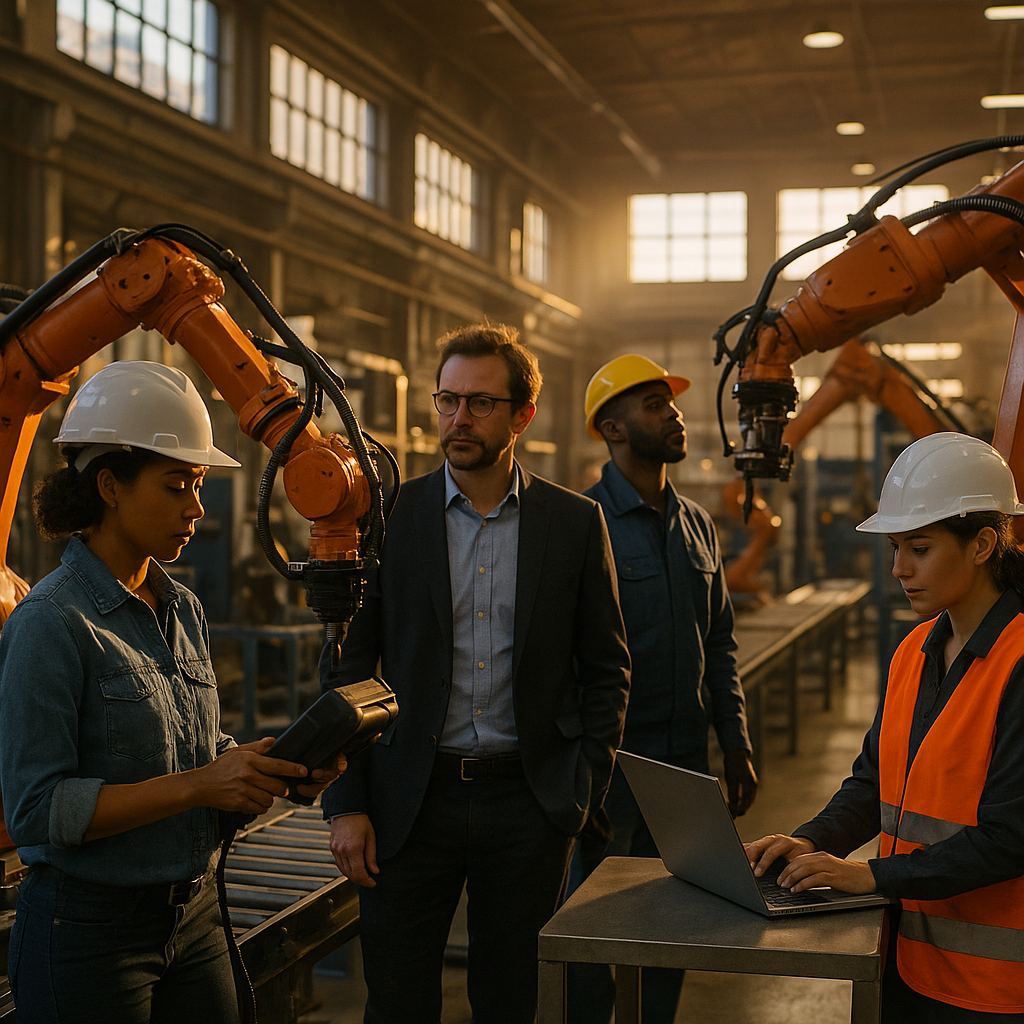
This shift is also influencing how non-teaching professionals are trained. As organizations integrate continuous learning into their operations, the ability to facilitate and structure learning experiences becomes a valuable skill across roles.
Emerging models shaping global education
Different regions are experimenting with new educational models that reflect this evolving role. Hybrid learning environments, competency-based education, and modular programs are becoming more common as institutions seek to align with the needs of a global workforce.
These models emphasize flexibility, personalization, and continuous upskilling. They also require educators who can operate across formats, manage digital tools effectively, and adapt content to diverse cultural and professional contexts.
Preparing for a system in constant evolution
The evolution of teaching is not a temporary adjustment—it reflects a structural shift in how education is delivered and consumed globally. For institutions, this means investing in faculty development, rethinking curriculum design, and embracing innovation as an ongoing process.
For learners and educators alike, the takeaway is clear: adapting to this new role requires continuous learning and a willingness to engage with changing technologies and methodologies. The future of education will depend not only on what is taught, but on how effectively learning is designed and facilitated across borders.











No comments yet. Be the first!