
Why McDonald’s results reveal how global consumer behaviour is changing
20 Jan, 2026 | 11:53
.
PE
Updated on
29/04/2026 20:22
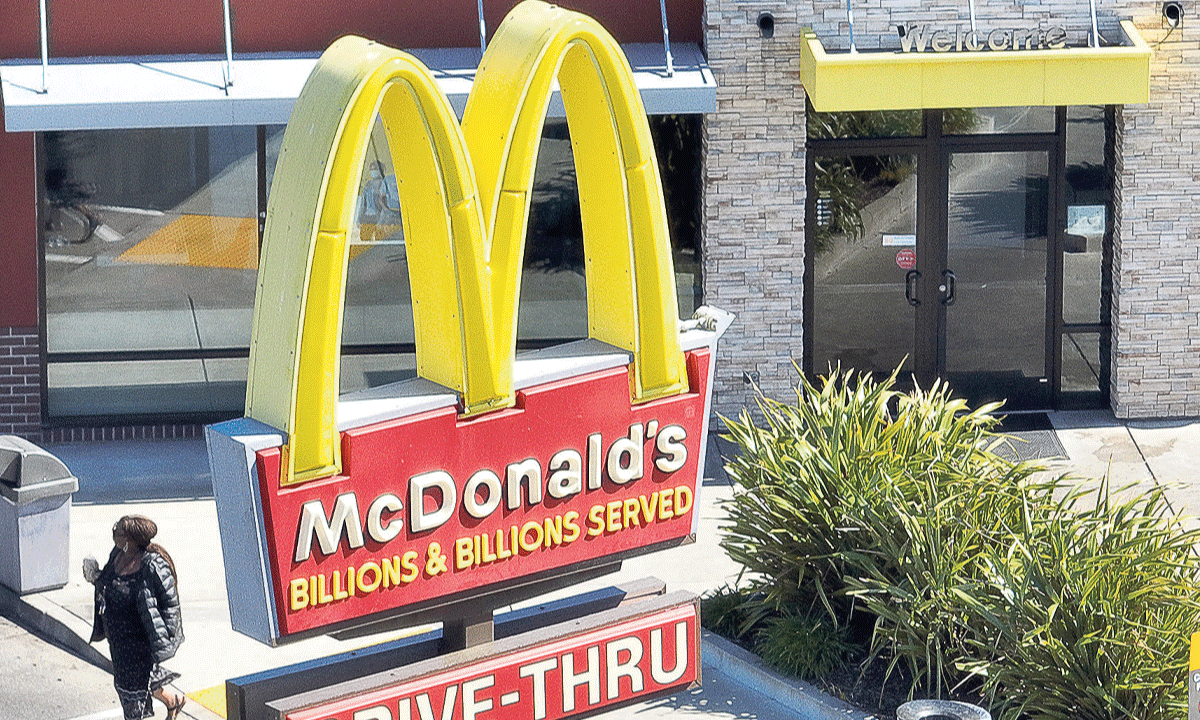
McDonald’s earnings reveal how consumer behaviour is changing worldwide. Discover why price sensitivity, digital ordering and loyalty programmes are reshaping the global economy.
.post-content h2,
.post-content h2 strong {
font-size: 28px !important;
font-family: Georgia, "Times New Roman", serif !important;
font-weight: 700 !important;
line-height: 1.3 !important;
}
A fast-food giant as an economic signal
Few companies reflect everyday spending as clearly as McDonald’s. With restaurants across more than 100 countries, the brand sits at the intersection of affordability, convenience and daily consumption.
When its performance shifts, economists and analysts pay attention. The company’s latest results point to a noticeable change in how people spend money.
The rise of the value-driven consumer
Customers are not necessarily spending less overall. They are becoming more selective about how they spend.
Price sensitivity is increasing. Promotions are more influential. Consumers are actively searching for perceived value.
This behavioural shift often appears during periods of economic uncertainty or inflation. Fast-food chains are among the first to feel the change.
Digital ordering is reshaping the restaurant experience
Another key theme is the continued growth of digital ordering. Mobile apps, loyalty programmes and self-service kiosks are becoming central to the modern restaurant model.
Digital platforms allow companies to:
Personalise promotions
Analyse purchasing behaviour
Increase order frequency
Strengthen customer loyalty
Restaurants are becoming technology companies as much as food businesses.
A global shift toward loyalty ecosystems
Loyalty programmes are no longer optional. They now act as data engines that help companies understand customers and predict demand.
This transformation is happening across retail, travel, finance and entertainment. Customer relationships are increasingly built inside digital ecosystems.
What this reveals about the global economy
McDonald’s performance reflects broader economic dynamics:
Consumers prioritise affordability
Digital convenience shapes decisions
Loyalty and data drive retention
These patterns appear across North America, Europe, Asia and Latin America. They indicate a long-term shift rather than a short-term fluctuation.
The future of consumer spending
Businesses worldwide are adapting to a new reality. Growth will depend on:
Operational efficiency
Data-driven decision-making
Digital customer engagement
Strong value propositions
Companies that understand this shift will be better positioned for the next decade.













No comments yet. Be the first!