
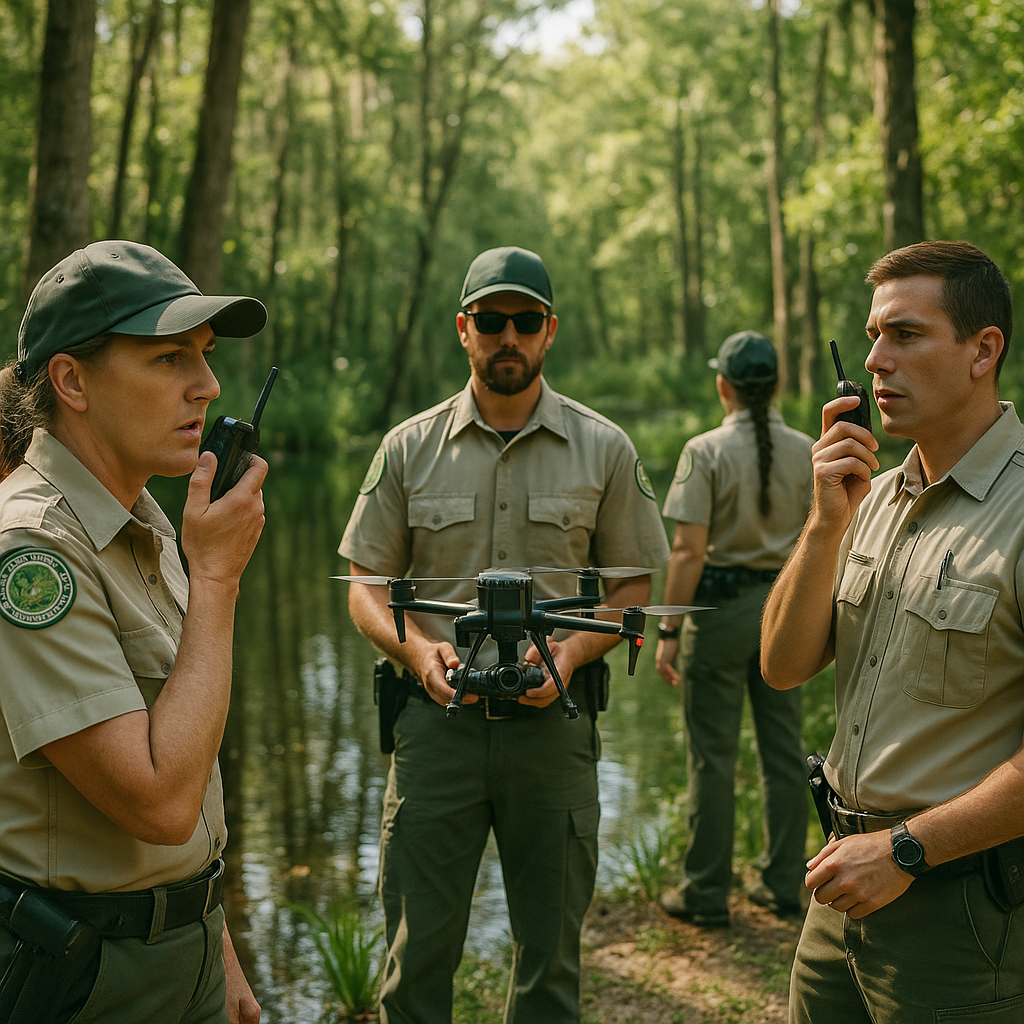
On September 9, 2026, a serious incident occurred in a Florida nature preserve when a young swimmer was attacked by a large alligator after entering a strictly prohibited no-swimming zone. Despite clear warning signs, the event raises important questions about workforce roles, visitor safety management, and emergency preparedness within conservation and recreational environments.
Workforce Challenges in Wildlife Safety Management
Protected natural reserves employ a diverse workforce responsible for balancing public access with safety and ecological preservation. This incident underscores the need for enhanced training programs for park rangers, safety officers, and visitor services personnel to effectively manage risks associated with dangerous wildlife.
Key workforce-related challenges include:
- Ensuring that safety communications, such as posted warnings, are clearly understood and enforced by visitors.
- Equipping frontline staff with crisis response skills tailored to wildlife encounters.
- Implementing advanced monitoring technologies that enable real-time hazard identification and rapid intervention.
- Coordinating with local hospitals and emergency medical teams to streamline response times after incidents.
Implications for Workforce Training and Public Education
The incident reveals gaps in both visitor knowledge and workforce readiness, highlighting the necessity to innovate training strategies and public outreach initiatives.
- Investing in virtual and augmented reality simulations to prepare staff for rare but high-impact situations involving wildlife.
- Developing multilingual educational materials and interactive visitor engagement tools to ensure warnings are globally comprehended.
- Regularly reviewing and updating safety protocols based on incident investigations and scientific research on wildlife behavior.
Technological Innovations Supporting Workforce Efficiency
Advancements in AI-driven surveillance, drones, and wearable devices present promising tools to enhance workforce capability in natural reserves. These technologies can offer predictive analytics to anticipate animal movements, thereby reducing dangerous encounters.
Integration of such tools requires:
- Training employees to effectively operate and interpret data output from new tech systems.
- Budget allocations prioritizing both human capital and technology investments.
- Strategic partnerships between conservation agencies and tech developers to customize solutions for specific environments.
Broadening the Workforce Scope: Collaboration and Community Engagement
Mitigating risks in natural parks involves not only internal staff but also collaboration with local communities, visitors, and stakeholders. Strengthening a culture of shared responsibility aids in prevention and rapid reporting of hazards.
Efforts include:
- Implementing visitor ambassador programs to extend workforce reach.
- Encouraging community-led safety workshops and participatory conservation efforts.
- Leveraging social media platforms by workforce teams for real-time alerts and educational campaigns.
Conclusion
The alligator attack incident in the Florida nature preserve is a case study emphasizing the irreplaceable role of a well-prepared, technologically equipped, and community-integrated workforce in managing wildlife risks and protecting visitors. By enhancing training, adopting innovation, and expanding collaborative frameworks, protected areas can better safeguard both their ecosystems and human stakeholders.












No comments yet. Be the first!