
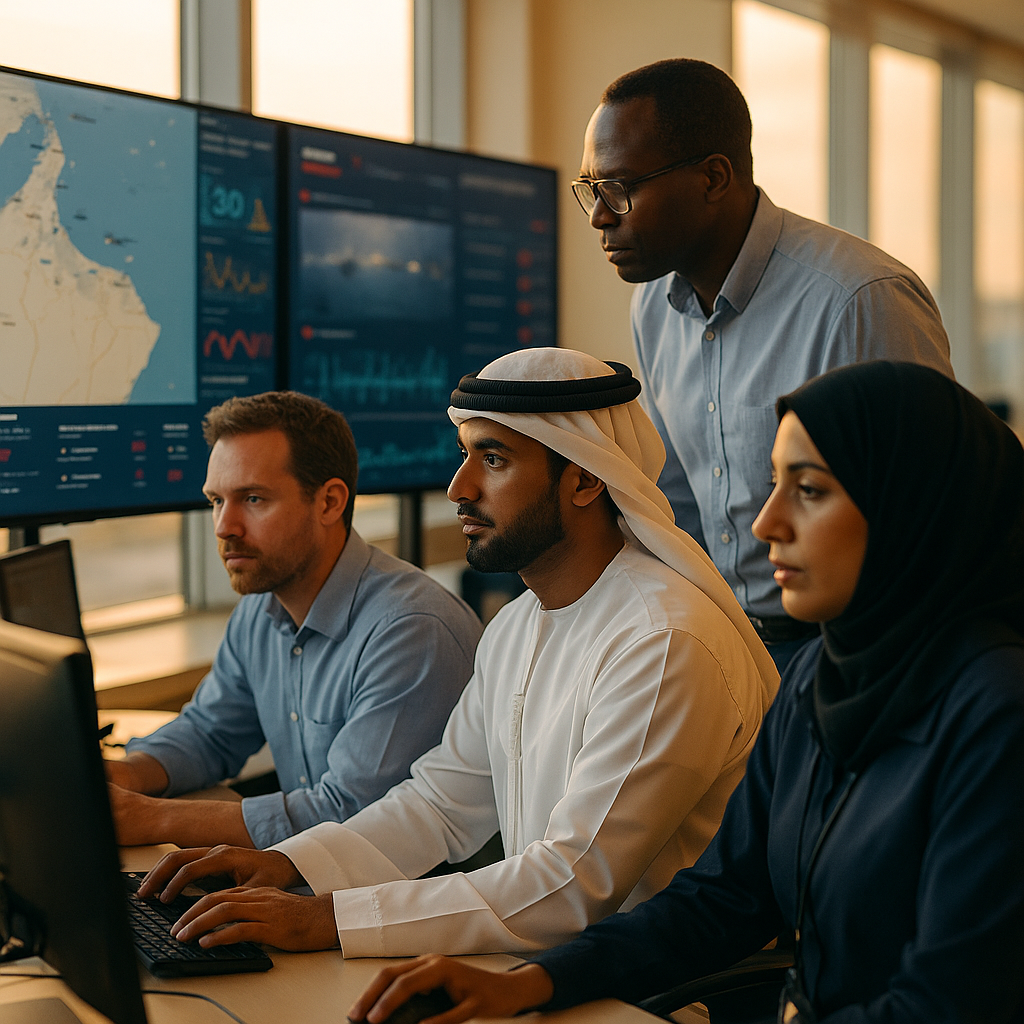
Recent escalations in the Middle East, notably around the Strait of Hormuz, have heightened geopolitical risks, affecting the global workforce landscape and regional economic stability. The persistent tensions between Iran and its Arab neighbors have created a ripple effect that extends well beyond political discourse, impacting labor markets and corporate strategies across the Persian Gulf and beyond.
Labor Market Adaptations in a Volatile Region
As of July 2026, companies operating in the affected areas are facing unprecedented challenges in workforce planning. Heightened security concerns have introduced new operational risks that dictate talent acquisition, retention, and deployment strategies. Businesses are increasingly prioritizing the safety of their employees and the continuity of operations, which demands flexible human resource management and dynamic contingency planning.
Multinational firms with significant investments in sectors such as energy, logistics, and construction are reassessing their workforce profiles. Emphasis is shifting towards hiring personnel who possess not only technical expertise but also crisis management capabilities and cross-cultural communication skills to navigate the complex regional environment.
Shifts in Regional Economic Opportunities
The economic implications for countries bordering the Persian Gulf are substantial. The ongoing uncertainty has led to disruptions in supply chains, affecting industries reliant on the smooth transit of goods through maritime routes. Consequently, there is an emergent focus on diversifying economies and expanding employment opportunities in less vulnerable sectors.
In response, governments in several Gulf states are launching workforce development initiatives aimed at upskilling local talent and reducing dependency on foreign labor. These programs emphasize technology adoption, digital skills, and resilience training to prepare the workforce for more autonomous and flexible economic participation.
Corporate Risk Management and Workforce Resilience
Risk management strategies have become integral to human resources and operational policies within organizations facing these geopolitical strains. Companies are implementing comprehensive employee support systems, including mental health resources, security training, and evacuation protocols, to reinforce workforce resilience.
Additionally, there is a growing trend towards remote work arrangements and digital collaboration platforms to mitigate risks associated with physical presence in high-tension zones. This transformation not only safeguards employees but also ensures business continuity amid uncertainties.
Technological Integration and Workforce Transformation
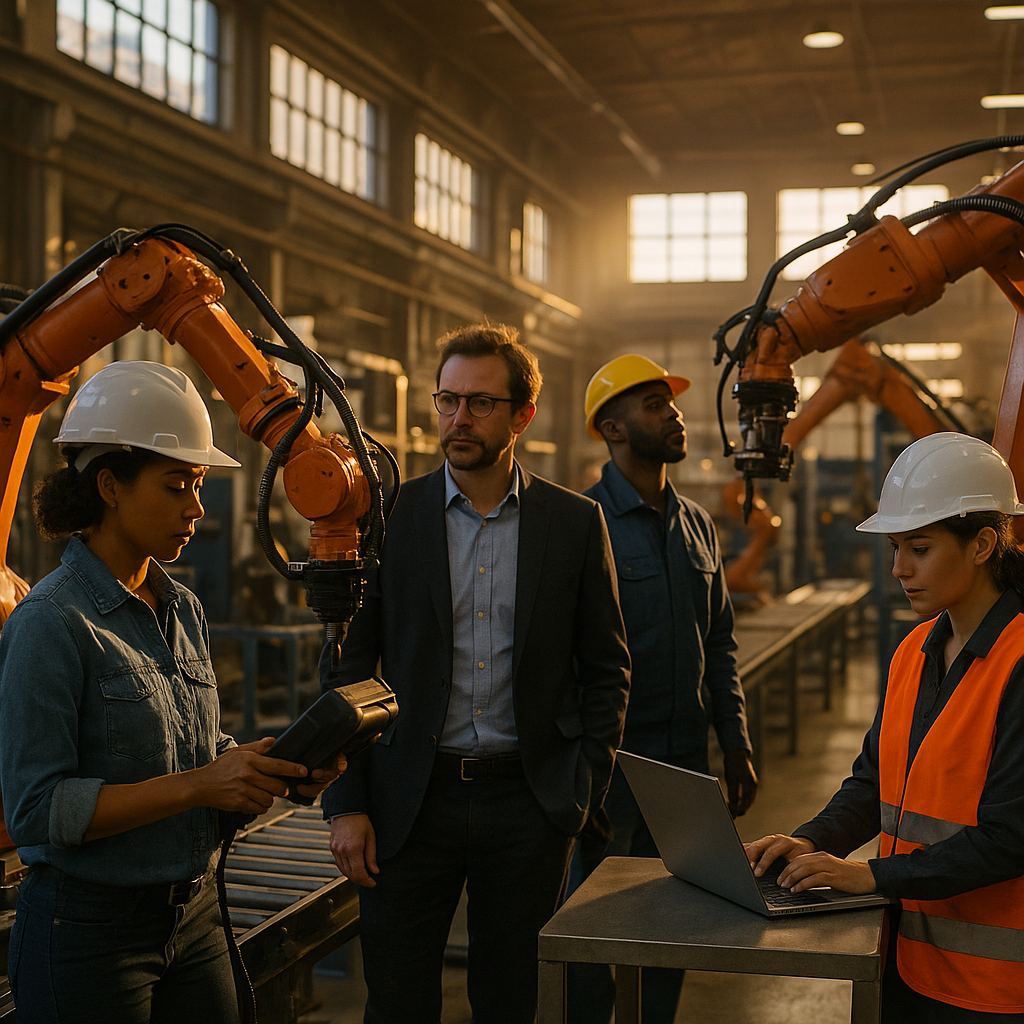
The pressures on global and regional workforces have accelerated the adoption of automation, artificial intelligence, and data analytics within the affected industries. Technology serves both as a buffer to human risk exposure and as a catalyst for evolving job roles, necessitating ongoing workforce reskilling and adaptation.
- Enhanced reliance on AI-driven logistics to circumvent potential maritime disruptions.
- Integration of remote monitoring systems minimizing on-site staffing needs.
- Investment in cybersecurity experts to protect critical infrastructure amid heightened threats.
Conclusion
In summary, the geopolitical challenges emerging from increased tensions around the Strait of Hormuz and the broader Middle Eastern landscape are reshaping workforce strategies and economic priorities. Organizations and governments alike must continuously adapt to safeguard their human capital and maintain operational viability. The evolving environment underscores the importance of resilient, flexible, and technologically empowered workforces ready to navigate uncertain global contexts.









No comments yet. Be the first!