
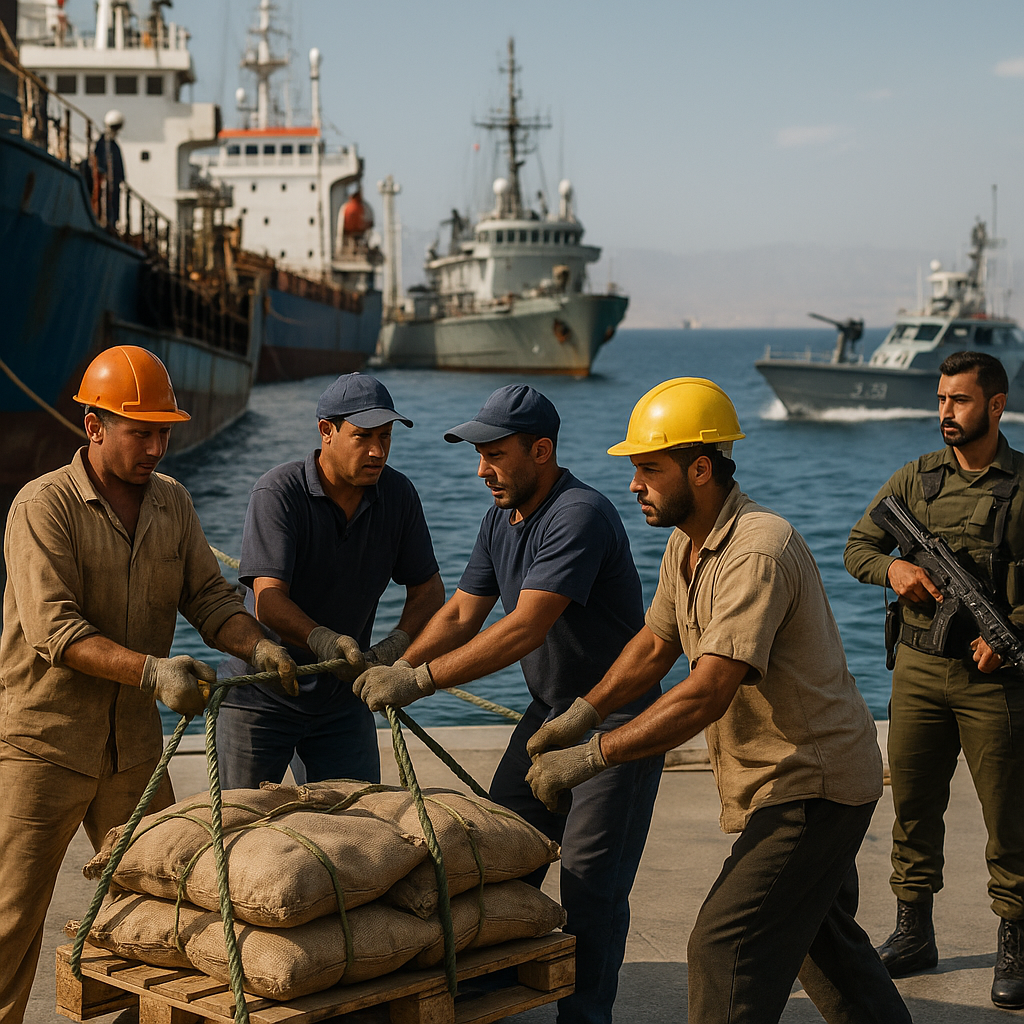
On September 14, 2026, the armed Houthis' seizure of a strategically important island in the Red Sea has triggered extensive global concern regarding maritime security and the stability of workforce operations linked to global trade routes. Although the political and military implications remain critical, this development equally reverberates through the labor ecosystems tied to one of the most vital maritime corridors worldwide.
Impact on Shipping Workforce and Maritime Logistics
The Red Sea functions as a pivotal artery for commercial shipping, connecting the Mediterranean Sea via the Suez Canal to the Indian Ocean, facilitating approximately 12% of global trade volume annually. The occupation of an island that serves as a maritime choke point places maritime workers, including sailors, port operators, and logistics coordinators, in an environment of increasing unpredictability.
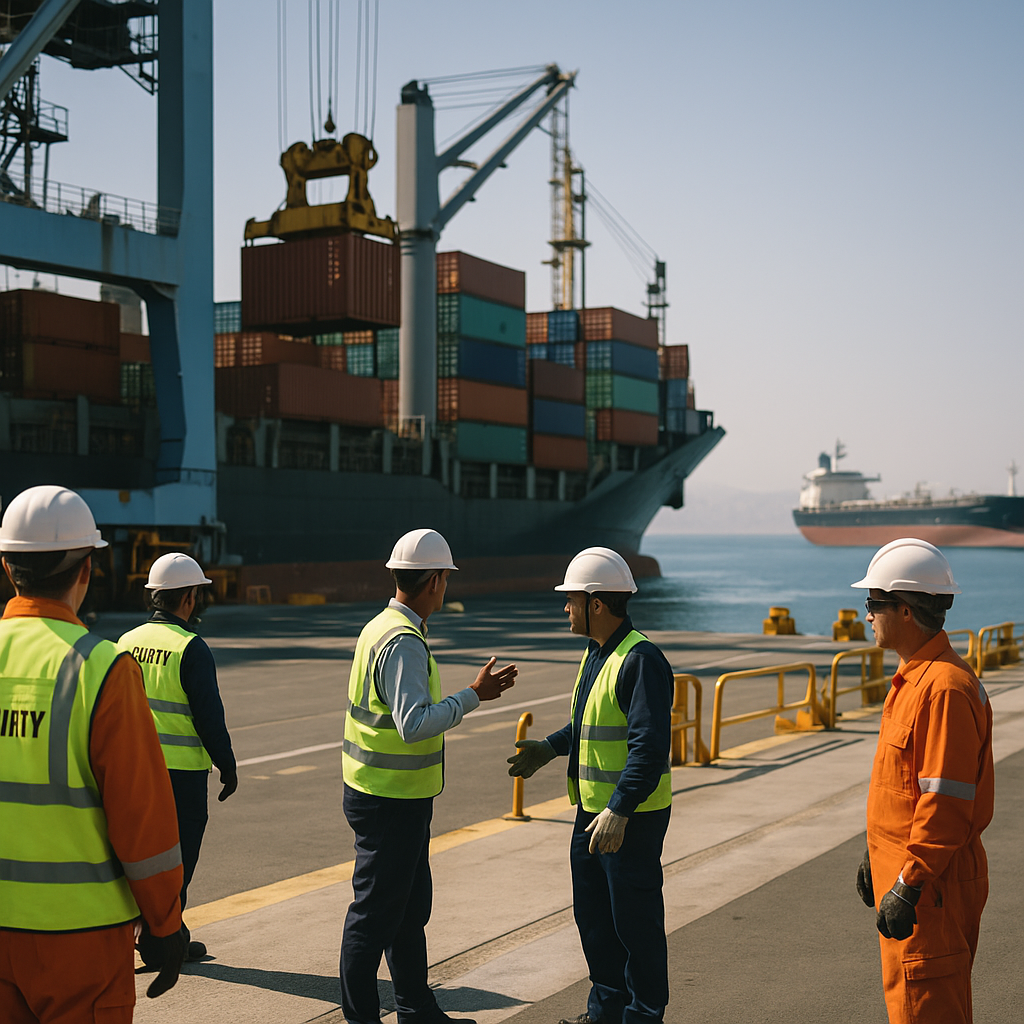
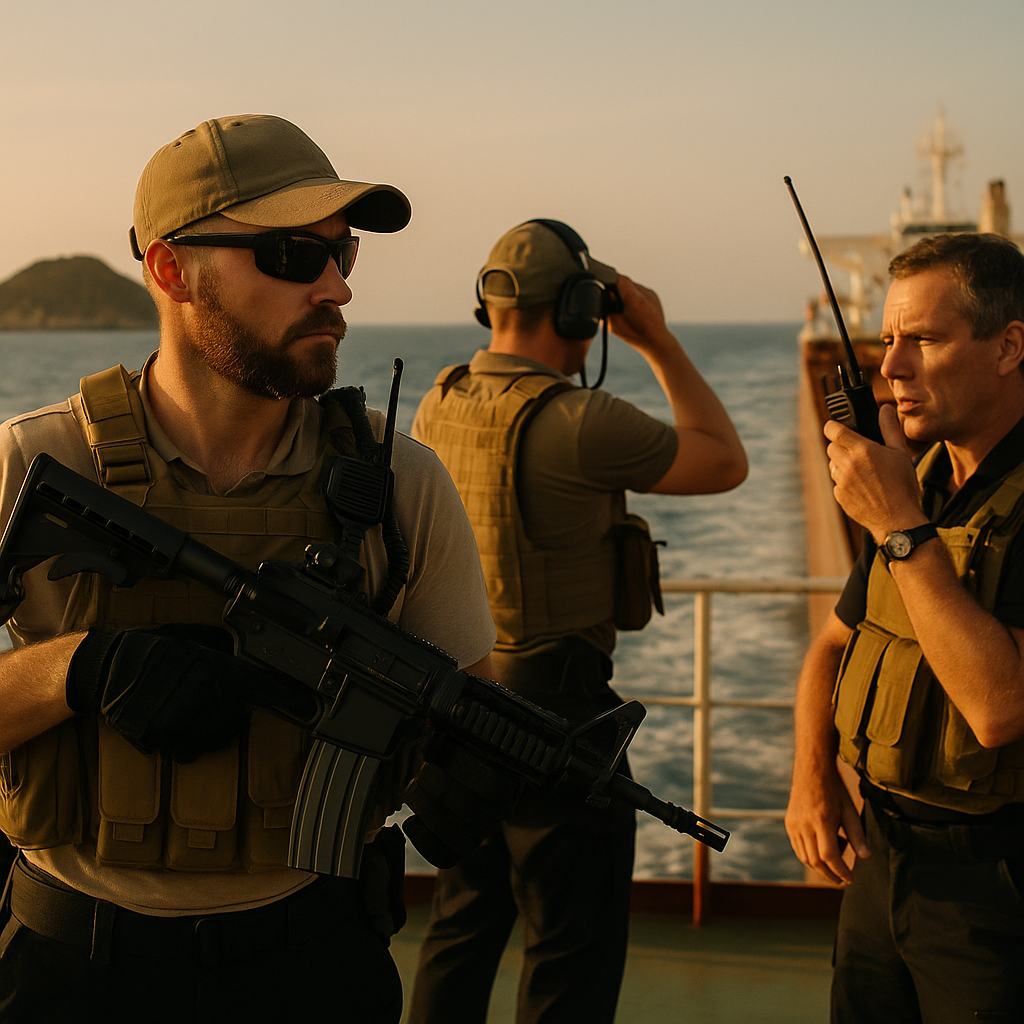
Companies managing fleets and port operations face elevated security risks, potentially prompting increased operational costs and insurance premiums, which cascade down to affect the workforce. Maritime crews may encounter heightened stress levels and safety protocols that alter daily routines and require additional training.
Challenges to Global Workforce Stability
The escalation of hostilities in this zone introduces a spectrum of workforce-related challenges:
- Workforce Displacement: Heightened conflict zones often force temporary suspension of port activities, resulting in short- to medium-term unemployment or redeployment for dock workers and logistics staff.
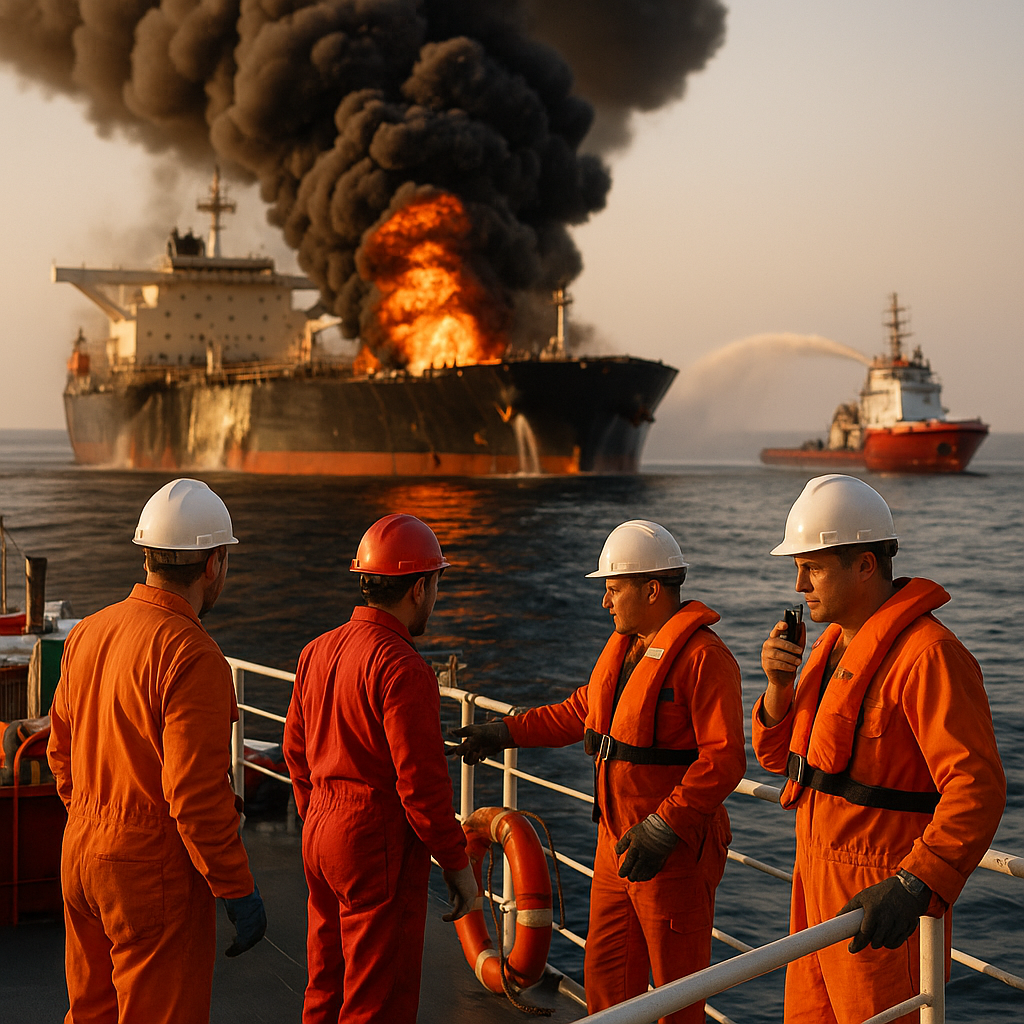
- Safety and Well-being Concerns: Personnel operating in or near conflict-affected zones confront direct physical risks and psychological stress, demanding enhanced corporate responsibility and support programs.
- Supply Chain Disruptions: Interruptions in cargo transit impact numerous sectors reliant on just-in-time delivery, extending workforce risks beyond shipping to manufacturing, retail, and service industries.
- Skill Adaptation and Training: The evolving security environment necessitates upskilling for crisis response, cybersecurity for maritime infrastructure, and compliance with augmented regulatory frameworks.
Opportunities for Workforce Innovation
Amid challenges, the maritime labor sector can leverage strategic innovations. Automation and remote monitoring technologies may reduce personnel exposure to high-risk zones while maintaining operational continuity. Additionally, international collaboration to enhance security protocols can foster workforce resilience and cross-border training initiatives.
The integration of advanced data analytics and AI-driven predictive models can optimize route planning and port scheduling, thus mitigating conflict-related risks and improving labor efficiency.
Strategic Workforce Recommendations
To navigate the complex environment shaped by the island's occupation, organizations operating within the global supply chain are advised to:
- Implement comprehensive risk assessments integrating geopolitical factors affecting workforce deployment.
- Enhance safety training and emergency preparedness for maritime and port labor forces.
- Invest in technological tools that enable remote operations and real-time monitoring.
- Promote mental health support frameworks responsive to the stresses induced by instability.
- Foster collaboration among stakeholders to establish standardized protocols across affected regions.
Conclusion
The Houthis' advancement into a crucial maritime junction on September 2026 marks a significant pivot point for the global workforce intertwined with maritime trade. While the direct military and geopolitical aspects dominate headlines, the cascading effects on labor safety, operational stability, and workforce adaptation demand rigorous attention. Only through coordinated strategic planning and innovative workforce management can the international community mitigate risks and sustain the essential flow of global commerce.









No comments yet. Be the first!