
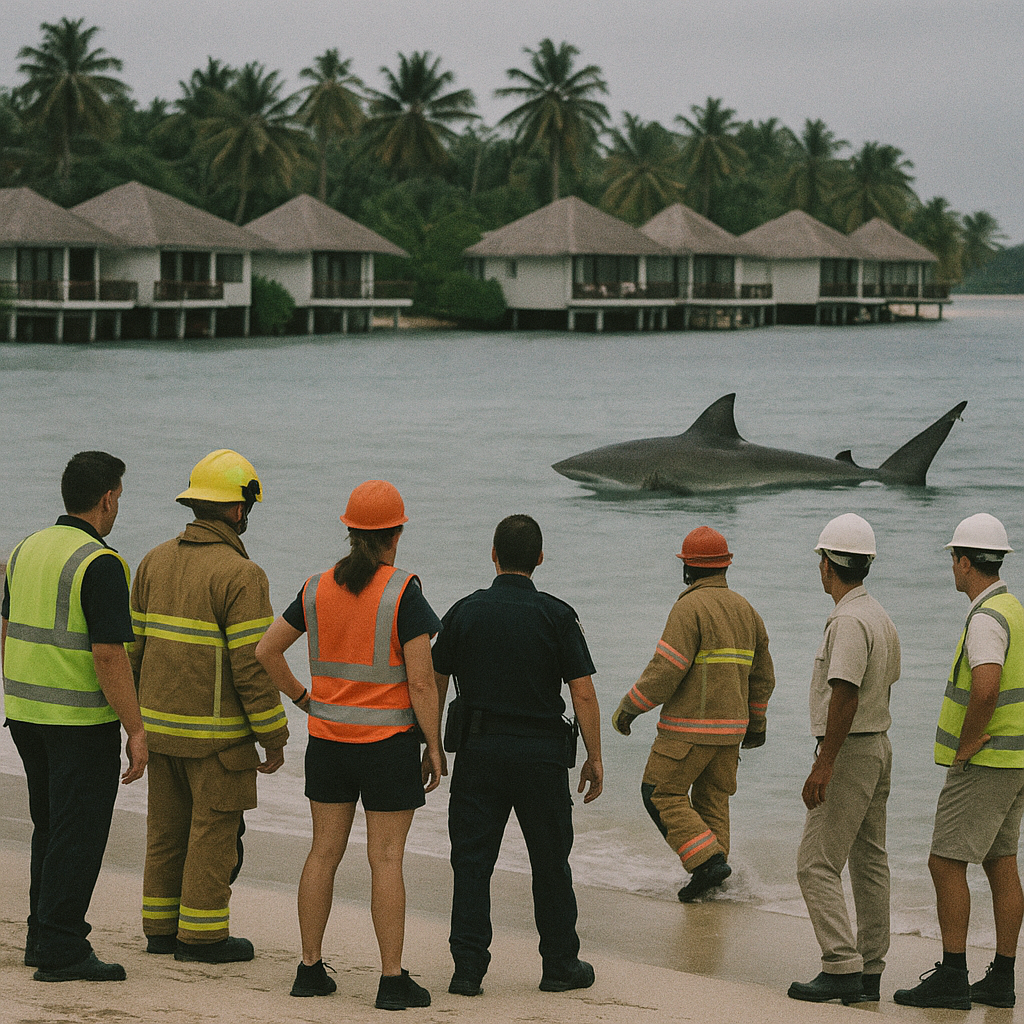
On May 22, 2026, a tragic incident occurred at a well-known island resort where a man lost his life following an encounter with a 13-foot great white shark. This event not only shocked the tourism community but also brought to the forefront the critical issues surrounding workforce safety and emergency preparedness in environments with natural hazards.
Workforce Safety in High-Risk Tourist Destinations
Tourism hubs situated in natural habitats face unique challenges that extend beyond traditional occupational risks. Employees working in or near aquatic environments potentially encounter dangers such as wildlife interactions, unpredictable weather, and varying emergency scenarios.
Ensuring the safety of staff and visitors alike necessitates rigorous training programs, robust emergency response plans, and ongoing risk assessments that consider both environmental and human factors.
Emergency Response and Training Protocols
The recent fatal shark attack draws attention to how emergency services and resort personnel handle crisis situations. Rapid and competent responses can mean the difference between life and death in sudden incidents.
- Comprehensive first aid and medical training for resort staff
- Regular drills simulating wildlife-related emergencies
- Coordination with local emergency medical services and coast guard authorities
- Installation and maintenance of safety equipment such as warning systems and accessible medical supplies
These measures are essential for preparedness and can improve outcomes during emergencies involving unpredictable threats like shark encounters.
Impact on Workforce Morale and Retention
Incidents involving life-threatening hazards have a profound impact on employee morale and retention rates in the hospitality and tourism industry. Workers may experience elevated stress levels or apprehension, which organizations need to address proactively.
Employment strategies should include psychological support, clear communication about safety policies, and incentives for participation in safety training.
Rethinking Workforce Management in Nature-Embedded Tourism
The confluence of tourism and natural unpredictability demands adaptive workforce management models that prioritize safety without compromising the quality of visitor experiences.
- Adoption of advanced monitoring technology to detect wildlife movement
- Integration of environmental data analytics into risk management
- Implementation of flexible staffing schedules responsive to seasonal or situational risks
- Collaborative engagement with environmental experts for updated best practices
Conclusion
The fatal shark attack at a famous island resort serves as a pivotal reminder of the complex operational landscape faced by the global workforce within tourism sectors embedded in natural ecosystems. By addressing safety, training, and emotional well-being, organizations can enhance resilience and safeguard both their employees and visitors. This tragic event sparks an urgent call for comprehensive review and improvement in workforce strategies tailored to high-risk environments.













No comments yet. Be the first!