
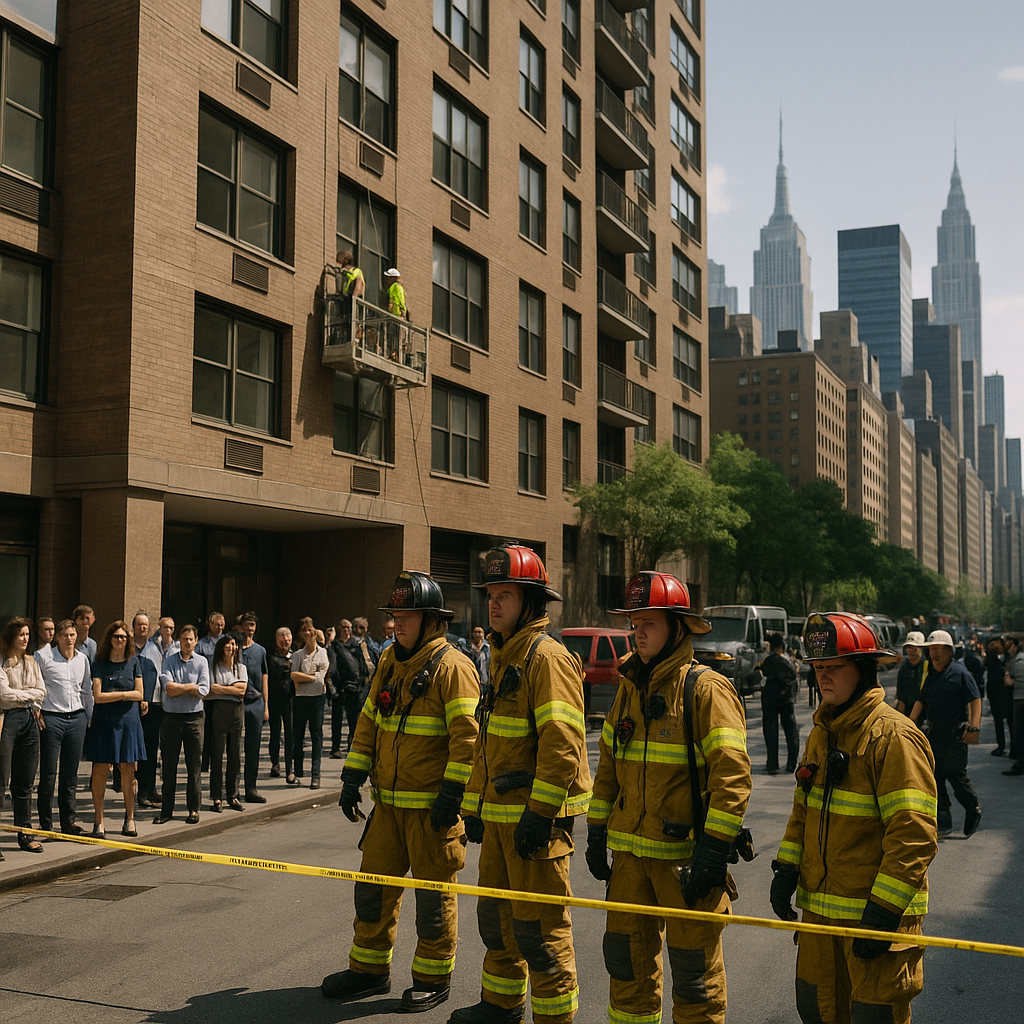
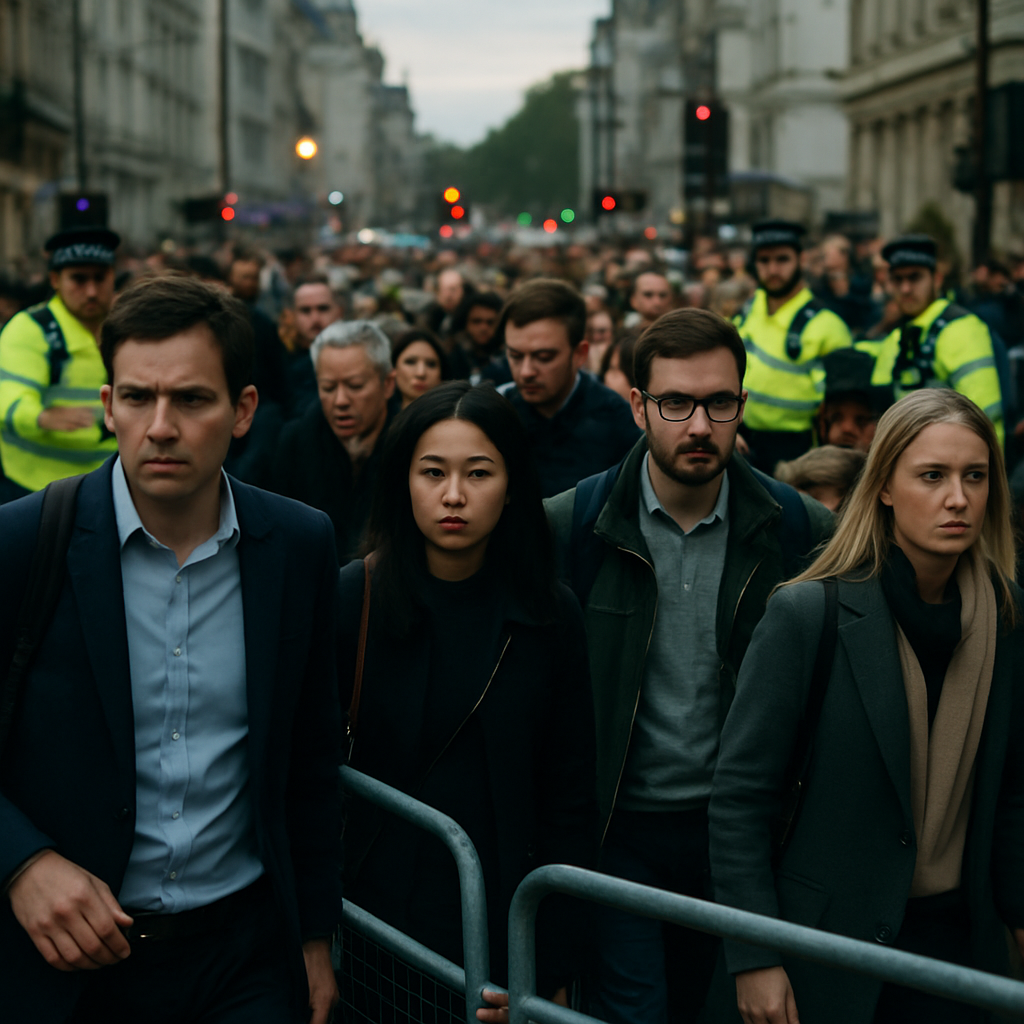
On July 7, 2026, a residential high-rise in Manhattan was evacuated following official warnings that raised alarms about a potential structural collapse. Although no imminent failure has been confirmed, this event draws significant attention to the safety challenges faced by workers and residents in densely populated urban environments.
Implications for Workforce Safety and Urban Employment
The evacuation impacts not only residents but also a broad range of workforce sectors operating within or near the affected building. Real estate professionals, maintenance staff, emergency responders, and municipal workers must navigate heightened safety risks amid ongoing urban infrastructure concerns. This incident amplifies the pressing need for comprehensive workforce safety strategies addressing emergency scenarios in high-density work settings.
Structural Risks and Occupational Health Considerations
Structural integrity concerns in aging urban buildings pose multifaceted challenges for occupational health. High-rise evacuations disrupt local businesses and professional activities, necessitating adaptive workforce management solutions. Organizations must prioritize contingency planning and training to ensure employee safety and operational continuity.
Key Challenges Emerging from the Incident
- Emergency Response Coordination: Effective communication across multiple agencies and rapid mobilization are crucial for workforce protection.
- Workplace Displacement: Temporary suspensions and relocations affect productivity and employee well-being.
- Infrastructure Assessment and Upgrades: Proactive structural evaluations are essential to preempt risks to workers and residents.
- Psychological Impact: Workforce mental health programs need integration into emergency preparedness frameworks.
Broader Context of Urban Workforce Resilience
New York City's workforce, emblematic of global urban labor populations, increasingly faces the dual pressures of aging infrastructure and climate-related vulnerabilities. This high-rise evacuation is a stark reminder of how critical safety and resilience strategies must evolve in tandem with urban development. Employers and policymakers are urged to reinforce training regimes, invest in technology-enabled monitoring, and foster collaborative safety cultures.
Innovations and Best Practices
Leading organizations are adopting advanced structural health monitoring tools, integrating AI-driven risk assessment, and enhancing real-time communication platforms to safeguard the workforce. Such innovations can mitigate risks similar to those revealed by the recent Manhattan event, curtailing hours lost and preventing potentially catastrophic outcomes.
Conclusion
This evacuation incident in Manhattan serves as a critical case study in workforce safety management within complex urban environments. Addressing infrastructure vulnerabilities and optimizing emergency preparedness must become central priorities for sustaining a resilient and protected global workforce.







No comments yet. Be the first!