
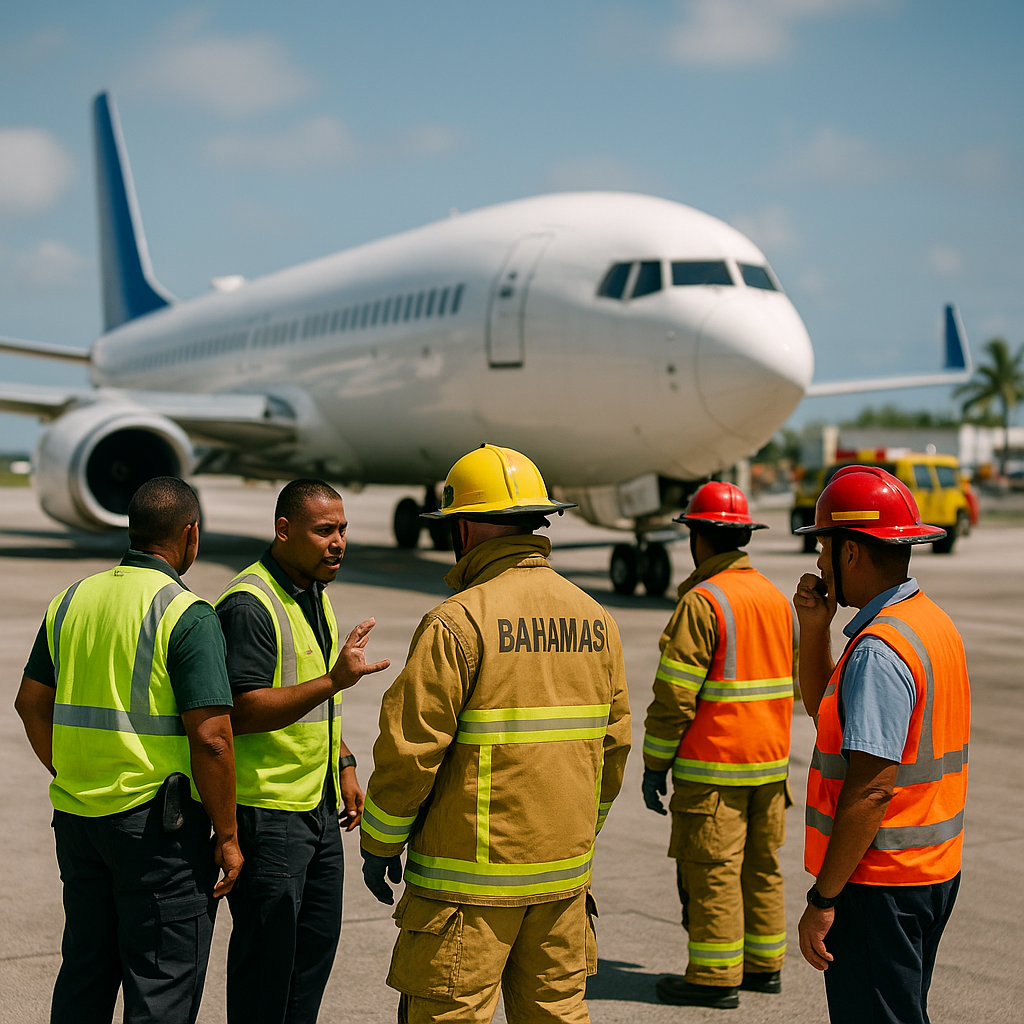
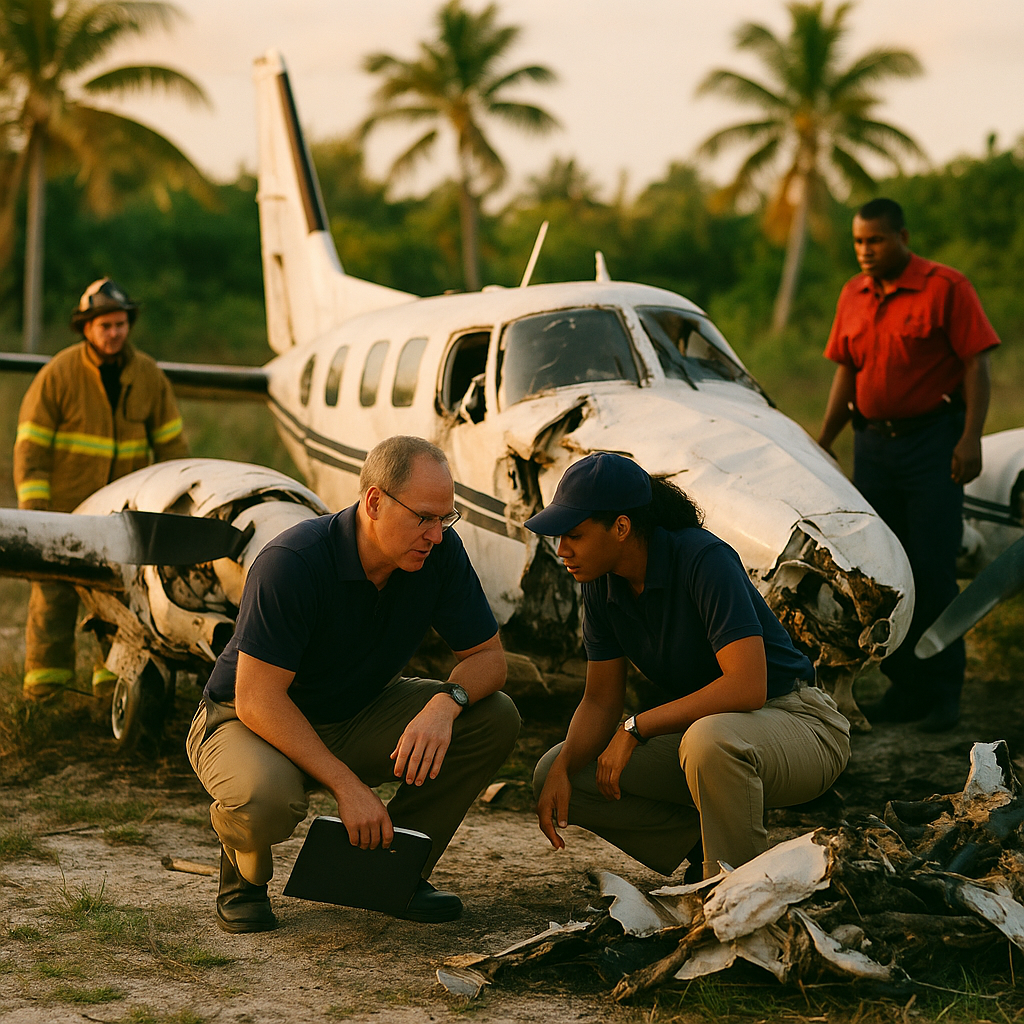
On July 11, 2026, a devastating plane crash near the Bahamas claimed the lives of ten individuals, including several internationally recognized musicians. The accident, which occurred in a major tourist hub, has prompted immediate interventions by local aviation authorities, impacting flight operations and raising serious concerns about worker safety and travel protocols within the global workforce linked to the region’s tourism industry.
Immediate Response and Aviation Workforce Implications
Following the crash, the Bahamas Civil Aviation Authority (BCAA) announced the suspension of several domestic flights while conducting a comprehensive safety review. This decision directly affects airline employees, ground staff, and airport service workers, temporarily disrupting their operational routines and income stability. Moreover, the grounding orders emphasize the necessity for enhanced training programs focused on emergency response and safety procedures for aviation personnel.
Impact on Tourism-Related Employment
The Bahamas, heavily reliant on tourism as a cornerstone of its economy, faces immediate challenges. The cessation of flights interrupts the steady influx of international visitors, placing seasonal and full-time workers in hotels, resorts, and transportation sectors at risk of reduced hours or temporary layoffs. For many employees, particularly those involved in airport logistics and hospitality, this incident underscores the fragile interdependence between safe travel infrastructures and workforce security.
Broader Global Workforce Considerations
The fatalities among musicians highlight the far-reaching impact of travel safety on creative professionals who frequently depend on air travel for international engagements. This tragedy underscores the importance of rigorous safety standards not only for commercial passengers but also for independent contractors and freelancers in the global creative economy.
Key takeaways for workforce leaders and policymakers include:
- Enhancing aviation safety protocols through targeted investments and workforce training to prevent future incidents.
- Developing contingency strategies for workers dependent on industries affected by transportation disruptions.
- Strengthening cross-sector collaboration to maintain workforce resilience amid crises impacting travel and tourism.
Technological and Training Opportunities
This incident exposes critical opportunities to integrate advanced technologies in aviation workforce training. Virtual reality (VR) simulations and AI-driven emergency scenario planning can provide employees with realistic and effective preparation, improving response times and safety awareness.
Furthermore, digital platforms facilitating communication between airports, airlines, and ground personnel can enable faster decision-making and minimize workforce downtime during emergencies.
Conclusion
The tragic plane crash in the Bahamas serves as a somber reminder of the intertwined nature of transportation safety and workforce stability in global industries. For aviation and tourism-related sectors, prioritizing rigorous safety measures, employee preparedness, and agile operational protocols is essential to safeguarding human capital and maintaining economic vitality in regions dependent on international connectivity.









No comments yet. Be the first!