

On September 24, 2026, the technology sector witnessed transformative announcements concerning artificial intelligence (AI) and its expanding role in education. Industry leaders such as Elon Musk highlighted an imminent seismic shift in computing capabilities, focusing on the potential for AI-powered educational platforms to revolutionize how knowledge is delivered and assimilated worldwide.
Technological Advancements Shaping Education
Organizations like OpenAI and Anthropic showcased their latest AI architectures and APIs, designed not just for commercial or scientific applications, but specifically with educational innovation in mind. These advanced AI systems employ natural language understanding and generative capabilities that can be harnessed to create interactive, personalized learning experiences.
Meanwhile, Google has been actively testing new AI models that leverage massive datasets to facilitate tailored educational content. Their technology aims to dynamically assess individual student needs and adapt in real time, fostering deeper understanding and engagement.
Educational Benefits and Applications
The integration of cutting-edge AI into education offers several key opportunities:
- Personalized learning paths: AI algorithms tailor lessons and practice exercises to each student’s pace and style.
- Enhanced accessibility: AI-driven tools can provide multilingual support and accommodate diverse learning abilities.
- Real-time feedback and assessment: Immediate performance insights help both students and educators optimize outcomes.
- Cognitive skill development: Interactive AI applications stimulate critical thinking and problem-solving techniques.
These functionalities collectively promote a more inclusive and effective educational environment, breaking down traditional barriers and allowing learners worldwide to access quality instruction.
Challenges and Considerations
Despite the promising outlook, integrating AI into education presents several challenges that require strategic attention:
- Data privacy and security: Ensuring student information is protected remains a paramount concern.
- Equity in technology access: Bridging the digital divide to provide AI tools fairly across socio-economic groups.
- Preserving human elements: Balancing AI automation with authentic educator-student relationships.
- Curriculum adaptation: Updating educational frameworks to align with rapidly evolving AI capabilities.
Industry Perspectives and Future Directions
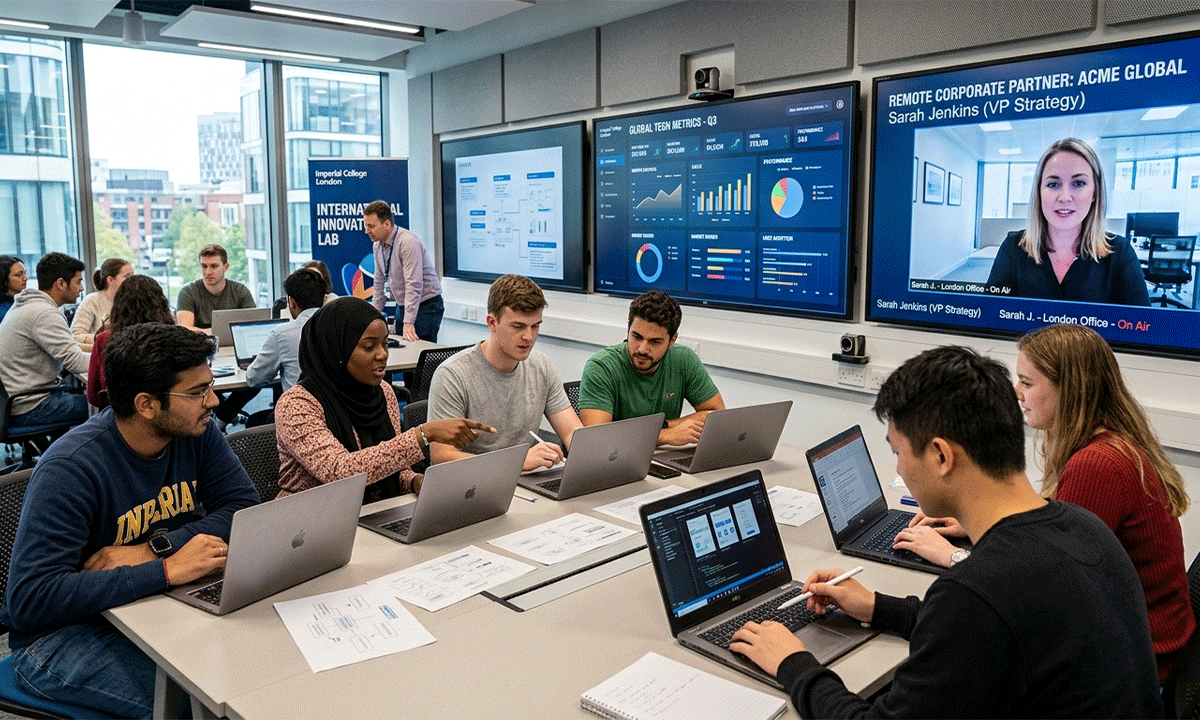
Elon Musk emphasized that the upcoming computational revolution will empower new forms of educational technology, ultimately leading to more intuitive learning ecosystems where AI acts as an adaptive tutor and assistant. He stressed the need for collaborative efforts between technologists, educators, and policymakers to responsibly implement these systems.
Google’s ongoing experiments illustrate the potential to embed AI within classroom environments seamlessly, supporting teachers by automating administrative tasks and providing actionable student analytics. OpenAI’s commitment involves open API development, encouraging educational institutions to innovate and customize AI applications to their specific curricular needs.
Conclusion
The developments announced on September 24, 2026 mark a pivotal moment in the evolution of education, as AI technologies become increasingly sophisticated and accessible. The integration of these tools promises to advance teaching and learning paradigms substantially, fostering greater personalization, equity, and effectiveness across educational systems globally. Navigating the associated challenges will require deliberate policy design and ethical frameworks, ensuring AI enhances rather than replaces the human dimensions of education.








No comments yet. Be the first!