
Signals that the balance of power in education is shifting
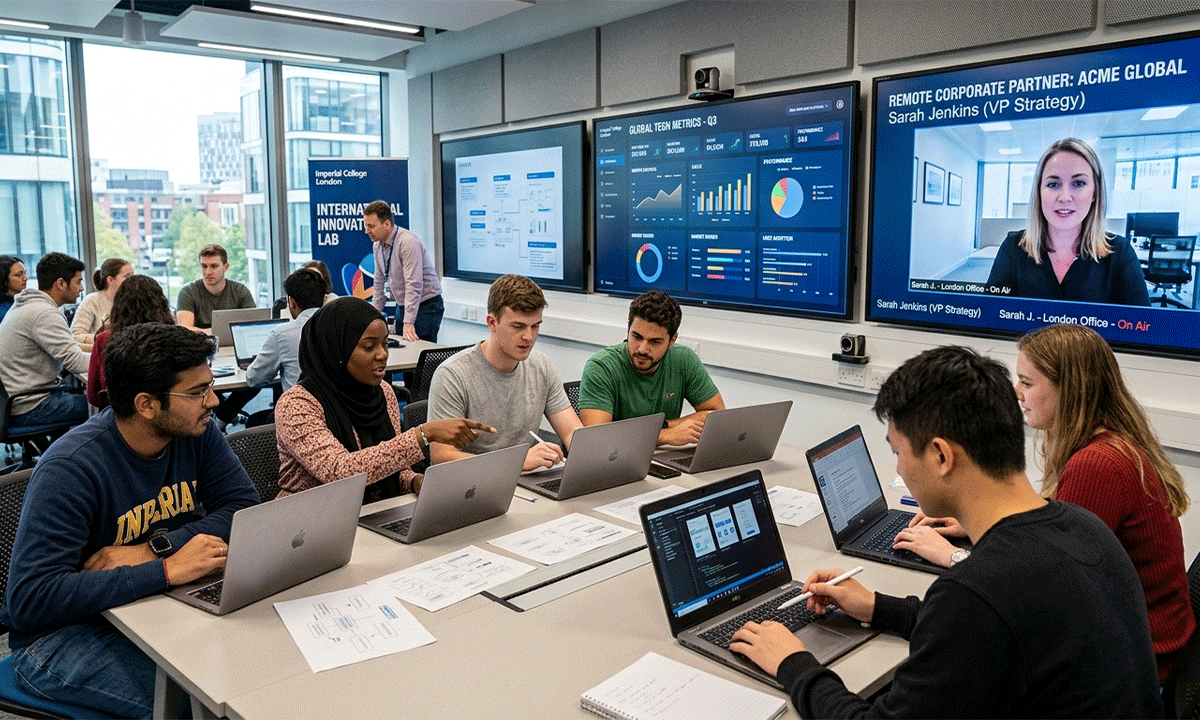
A growing number of global companies are no longer waiting for universities to produce job-ready graduates. Instead, they are actively co-designing learning pathways through B2B education models, partnering with edtech platforms and academic institutions to build talent aligned with real-time market needs.
This shift is not marginal. Reports from organizations such as the OECD and the World Economic Forum highlight a widening gap between academic curricula and workforce requirements. As digital transformation accelerates, the ability of traditional higher education systems to keep pace is being questioned at a global scale.
From knowledge providers to ecosystem partners
The rise of B2B education models is forcing universities to reconsider their institutional role. Rather than acting solely as knowledge providers, they are increasingly expected to function as partners within broader talent ecosystems.
This includes co-developing programs with employers, integrating industry certifications into degree pathways, and adopting modular learning formats that respond to evolving skill demands. Institutions that successfully navigate this transition are repositioning themselves as relevant actors in workforce development, rather than isolated academic entities.
Implications for credentials and global mobility
As employer-driven education gains traction, the value of traditional degrees is being re-evaluated. Shorter, skill-based credentials—often co-issued with industry partners—are gaining legitimacy in hiring processes, particularly in fields such as technology, business analytics, and digital marketing.
This trend has direct implications for global mobility. Learners are no longer tied to geographically bound institutions; instead, they can access internationally recognized credentials that are aligned with employer expectations across borders.
Possible futures for higher education institutions
If current trajectories continue, higher education could evolve into a hybrid model where degrees coexist with stackable credentials, and where learning is distributed across universities, companies, and digital platforms. Institutions that resist collaboration may struggle to maintain relevance.
Conversely, those that embrace B2B partnerships can expand their reach, diversify revenue streams, and strengthen their positioning in a global education market that increasingly values adaptability and responsiveness.
Redefining the future of learning beyond institutional boundaries
The expansion of B2B education models is not simply a trend—it represents a structural reconfiguration of how learning is designed, delivered, and validated. The question is no longer whether universities will adapt, but how quickly they can integrate into this new ecosystem.
In a global workforce defined by constant change, the institutions that remain relevant will be those that align academic rigor with real-world application, bridging the gap between education and employability at scale.








No comments yet. Be the first!