
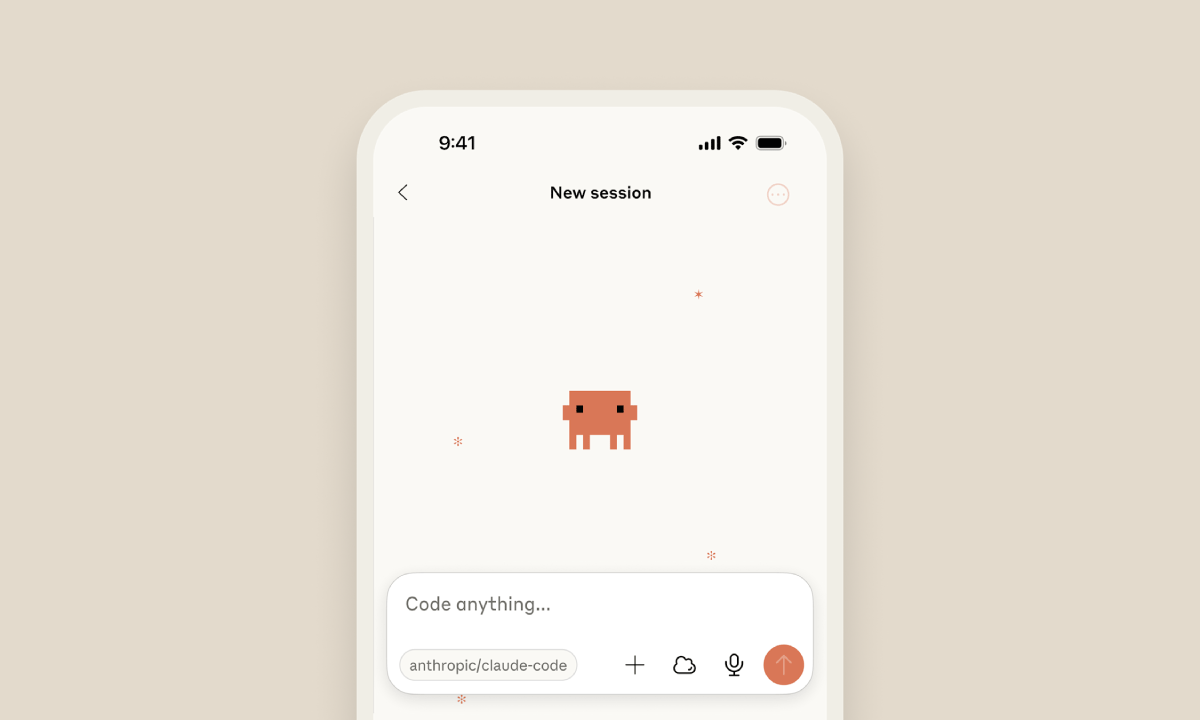
The pace at which AI tools are evolving is beginning to outstrip traditional learning models. Claude Code, developed by Anthropic, offers a clear example: continuous updates that require users to constantly reinterpret how the tool works and how it can be applied in real scenarios.
This dynamic is not just technological—it is educational. As users engage with each new release, they are effectively learning in real time, without structured programs or predefined pathways. The result is a growing gap between how skills are acquired in practice and how they are taught in formal education systems.
A shift from static knowledge to dynamic skill-building
For decades, education has been structured around relatively stable bodies of knowledge. Curricula are designed, approved, and delivered over extended periods. However, tools like Claude Code challenge this model by introducing constant change at the core of the learning process.
Instead of mastering a fixed set of skills, learners must now develop the ability to continuously update their understanding. This includes experimenting with new features, adapting workflows, and integrating evolving capabilities into their daily tasks.
Emerging opportunities for global education systems
This transformation is creating new opportunities for educational institutions worldwide. Programs that incorporate real-time learning environments, hands-on experimentation, and direct interaction with AI tools are becoming increasingly relevant.
- Short, modular learning formats that can be updated frequently without redesigning entire programs.
- Integration of AI tools directly into coursework, allowing students to learn through active use rather than theoretical exposure.
- Partnerships between technology companies and educational institutions to align training with current tool capabilities.
- Assessment models focused on adaptability and problem-solving instead of static knowledge retention.
These approaches allow institutions to reduce the lag between innovation and learning, making education more responsive to real-world demands.
How learners can adapt to continuous change
As the gap between technological evolution and formal education widens, learners themselves play a critical role in staying relevant. Relying solely on structured programs may no longer be sufficient in environments shaped by constant updates.
Developing habits such as self-directed learning, experimentation, and rapid skill acquisition becomes essential. Engaging directly with tools like Claude Code, exploring new functionalities, and applying them in practical contexts can accelerate the learning process significantly.
Preparing talent for an always-evolving AI landscape
Anthropic’s approach reflects a broader shift in the AI industry: innovation is continuous, and learning must follow the same pattern. Education systems that fail to adapt risk preparing students for tools and workflows that may already be outdated by the time they enter the workforce.
In contrast, institutions and learners that embrace continuous, real-time learning models will be better positioned to navigate an environment where change is constant. The ability to evolve alongside technology is becoming one of the most valuable skills in the global workforce.








No comments yet. Be the first!