
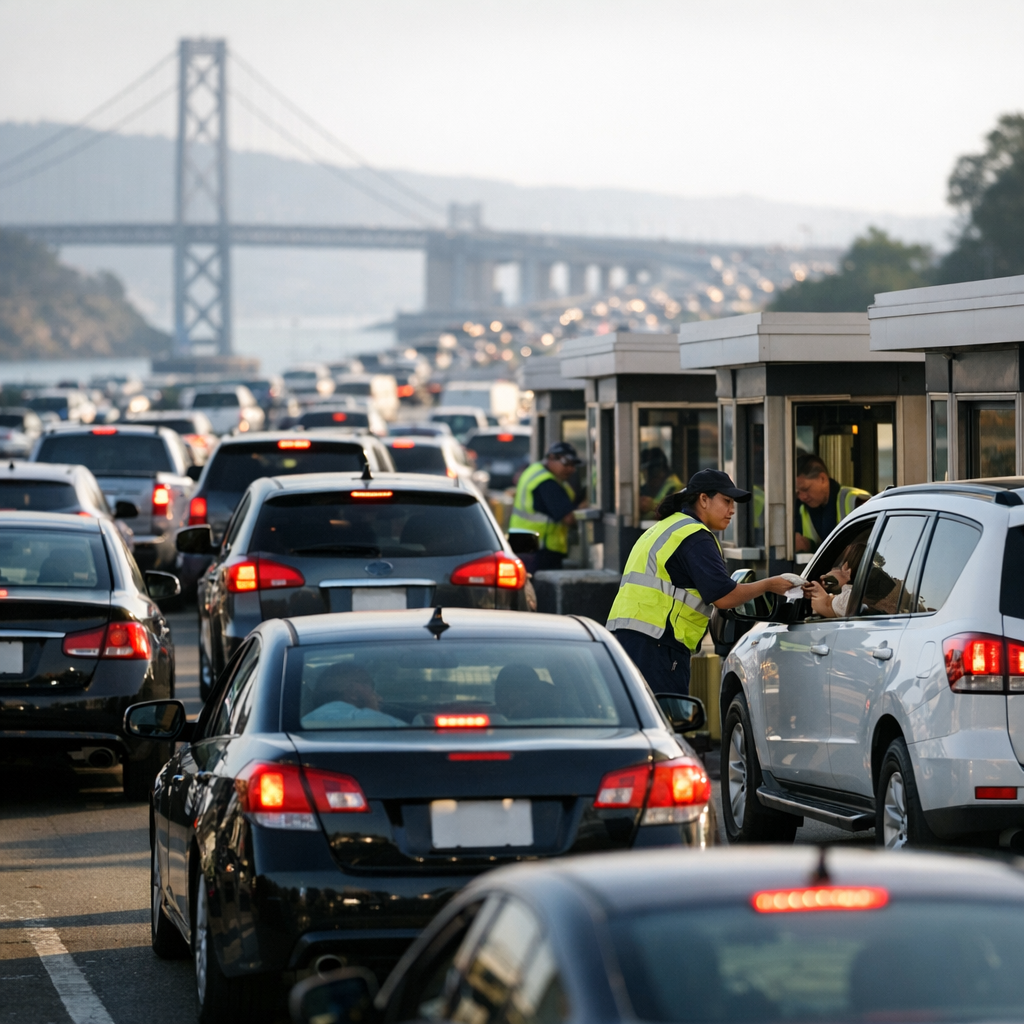
The state of California is set to implement a substantial increase in toll rates on its major bridges starting in late 2026. This move, aimed at addressing infrastructure funding gaps, is anticipated to have extensive repercussions beyond transportation budgets, particularly for the state's workforce and economic dynamism.
Economic Context and Toll Hikes
The toll increments, affecting critical transit points including the San Francisco-Oakland Bay Bridge and the Richmond-San Rafael Bridge, represent some of the most significant hikes in recent history. While these funds are earmarked for necessary infrastructure improvements, the direct economic burden on commuters is significant, potentially reducing disposable income for numerous workers.
Impact on Workforce Mobility
Daily commuters who rely on these bridges face increased travel costs, which could influence their employment decisions and overall productivity. The increased financial burden may compel some to seek employment closer to home or reconsider remote work arrangements, altering traditional workforce dynamics in the Bay Area and beyond.
Additionally, industries such as logistics, retail, and services—where timely deliveries and mobility are crucial—may experience elevated operational costs. This escalation can affect pricing, supply chain efficiency, and ultimately consumer behavior.
Broader Labor Market Implications
The toll hike introduces new considerations for employers and policy makers concerning workforce retention and accessibility. Key labor market implications include:
- Increased commuting expenses that could exacerbate socioeconomic disparities among workers.
- Pressure on public transit systems as workers seek alternatives to reduce costs, prompting potential shifts in transit planning and capacity management.
- Influence on talent allocation as geographic barriers potentially limit the labor pool accessible to employers in high-cost commuting zones.
- Potential acceleration of remote and hybrid work adoption, particularly in sectors where location flexibility exists, reshaping future workforce structures.
Policy and Future Workforce Strategies
Addressing the multifaceted challenges posed by toll increases requires adaptive public policy and strategic organizational responses. Policymakers might consider:
- Enhancing investment in affordable and efficient public transportation options to alleviate commuting costs.
- Developing targeted subsidies or toll relief programs for low-income workers disproportionally affected by toll hikes.
- Encouraging employers to adopt flexible work policies and staggered schedules to mitigate peak-hour congestion.
From an organizational perspective, companies may need to reassess their workforce distribution and talent acquisition strategies to maintain competitiveness and employee satisfaction.
Conclusion
The California toll hikes slated for 2026 extend beyond transportation finance, casting significant influence on the state's labor mobility, economic equity, and future of work paradigms. Proactive collaboration between government agencies, employers, and workers will be essential to devise sustainable solutions that support both infrastructure goals and the vitality of California’s diverse workforce.









No comments yet. Be the first!