

Freelance work is no longer an alternative career path
A growing share of professionals worldwide are choosing freelance work not as a temporary solution, but as a long-term career strategy. According to reports from the World Bank and the OECD, independent work has expanded significantly over the past decade, driven by digital platforms, remote work adoption, and demand for specialized skills.
This shift is redefining how careers are built. Instead of linear job progression within a single company, professionals are now assembling portfolios of projects across industries and geographies. The concept of employment stability is evolving into one centered on adaptability and continuous skill relevance.
Signals of change in education and skill development
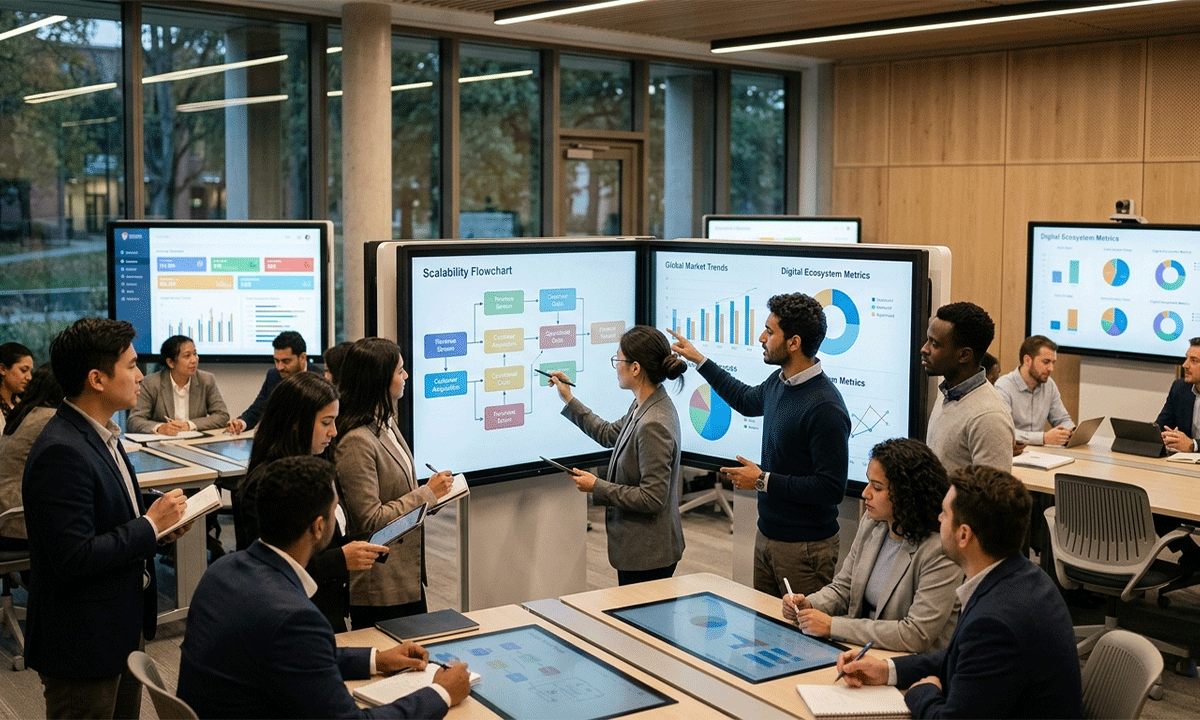
Universities and training institutions are beginning to respond to this transformation. Traditional degree programs, designed for corporate career paths, are being complemented by shorter, skills-based learning formats that prioritize practical application over theoretical depth.
Institutions such as UNESCO and the Inter-American Development Bank have highlighted the need for more flexible education systems that support lifelong learning. Freelance professionals, in particular, require ongoing upskilling in areas like digital communication, project management, and personal branding to remain competitive in global markets.
Mid-term impact on the global workforce
The expansion of freelance work is reshaping labor markets by increasing cross-border collaboration. Professionals based in Latin America, for example, are now competing and collaborating with clients in North America, Europe, and Asia, often without relocating.
This dynamic is driving demand for globally transferable skills. Language proficiency, cultural adaptability, and digital fluency are becoming core competencies rather than optional advantages. As a result, education systems are under pressure to align curricula with these emerging requirements.
Future scenarios for higher education and careers
Looking ahead, freelance work is expected to play an even larger role in shaping professional identities. Career models may increasingly combine formal employment with independent projects, creating hybrid professional profiles that blend stability with flexibility.
Higher education institutions that adapt to this reality—by integrating project-based learning, digital platforms, and global collaboration opportunities—will be better positioned to prepare students for this evolving landscape. Those that fail to adapt risk becoming less relevant in a labor market that values agility over permanence.










No comments yet. Be the first!