
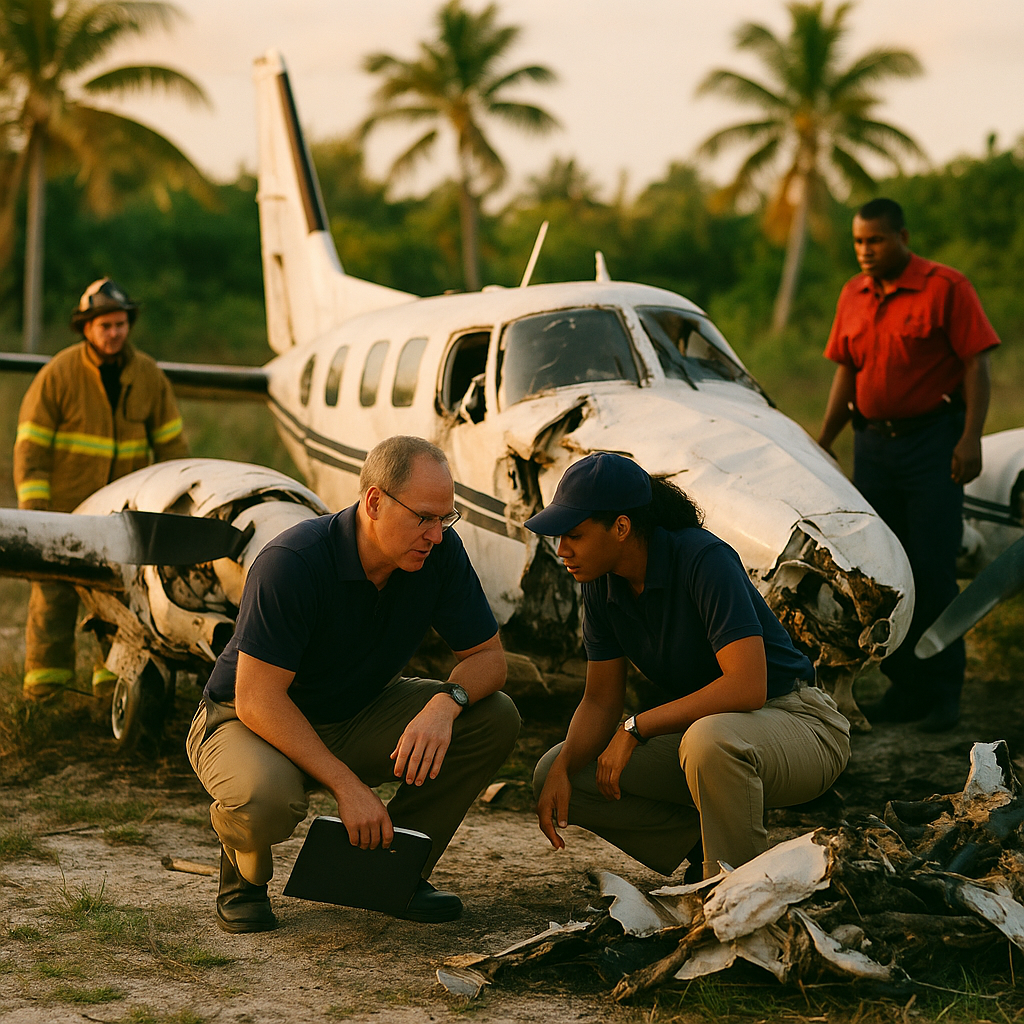
On July 11, 2026, the aviation world and global entertainment workforce experienced a profound shock following a deadly plane crash in the Bahamas that resulted in the death of 10 victims, including beloved band members. The incident, occurring in a popular tourist hotspot, has raised pressing concerns regarding workplace safety and operational protocols within the realms of aviation and international touring.
Context and Immediate Responses
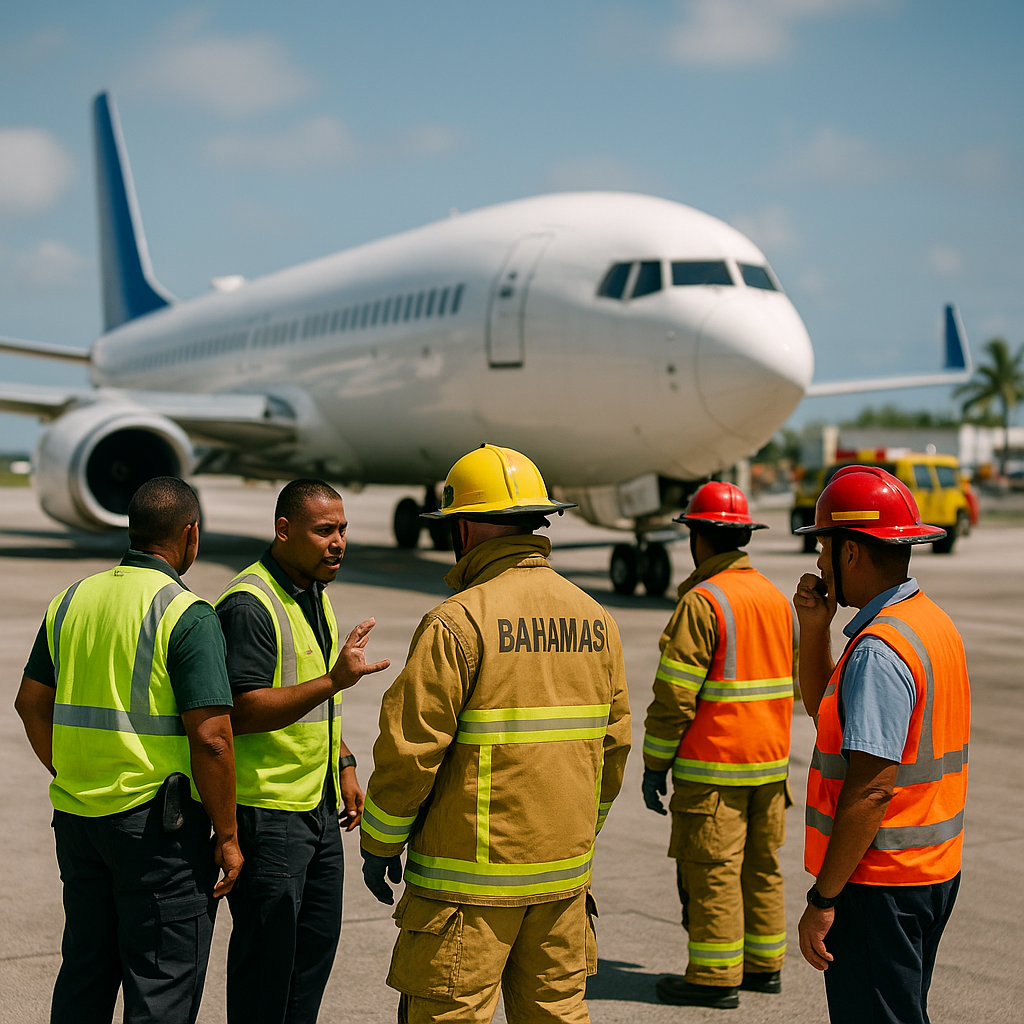
The flight, operated by a regional aviation carrier, was transporting a group of performers and their crew when it tragically plunged, leading to the loss of all on board. Subsequently, the Bahamas Civil Aviation Authority decisively grounded all flights operated by the carrier involved, underscoring the priority given to passenger and crew safety in the current global aviation climate.
This regulatory intervention shines a spotlight on the often-overlooked occupational hazards faced by international performers and their support staff, emphasizing the critical interface between transportation safety and workforce protection.
Implications for the Global Entertainment Workforce
The affected musicians were part of a thriving international touring ensemble whose activities contribute significantly to cultural exchange and the global economy. Beyond the immediate personal losses, the crash amplifies the vulnerabilities inherent in the entertainment industry's dependence on air travel for logistical and operational continuity.
Key repercussions include:
- Heightened scrutiny on travel safety protocols for touring artists and crews worldwide.
- Potential operational disruptions for music festivals and international concerts scheduled in the near term.
- Renewed calls from industry stakeholders for improved risk management strategies and emergency preparedness in touring logistics.
Aviation Sector’s Workforce Safety Challenges
This incident has catalyzed dialogue around occupational risk assessments within small-scale and regional aviation operators who commonly serve niche sectors such as cultural industries. Aviation experts highlight several challenges in ensuring workforce safety:
- Maintaining stringent maintenance and inspection regimes under operational pressures.
- Ensuring pilot training programs align with best practices for complex flight environments.
- Establishing clear communication channels among flight operators, clients, and regulatory bodies.
The grounding of the implicated operator’s fleet demonstrates regulatory authorities’ commitment to mitigating risks but also reflects ongoing gaps in safety governance for specialized aviation services.
Global Workforce Mobility and Risk Management
From a broader perspective, the tragedy underscores the delicate balance between workforce mobility and employee safety in a globalized labor market. Professionals in sectors such as entertainment, sports, and international business routinely depend on air transportation to fulfill their roles effectively.
In this context, institutions and companies must enhance their comprehensive risk assessments by:
- Incorporating aviation safety metrics into travel planning considerations.
- Providing employees with safety training tailored to travel-related occupational hazards.
- Establishing robust crisis response frameworks in partnership with aviation authorities.
Emerging Trends and Forward-Looking Strategies
Post-incident analyses often inspire sector-wide improvements. Current industry conversations include leveraging technological advancements such as enhanced tracking systems, real-time data analytics for fleet health monitoring, and increased use of larger commercial carriers with proven safety records for artist and workforce transportation.
At the intersection of aviation and talent management, stakeholders advocate for integrated approaches that ensure operational continuity without compromising the welfare of international employees.










No comments yet. Be the first!