
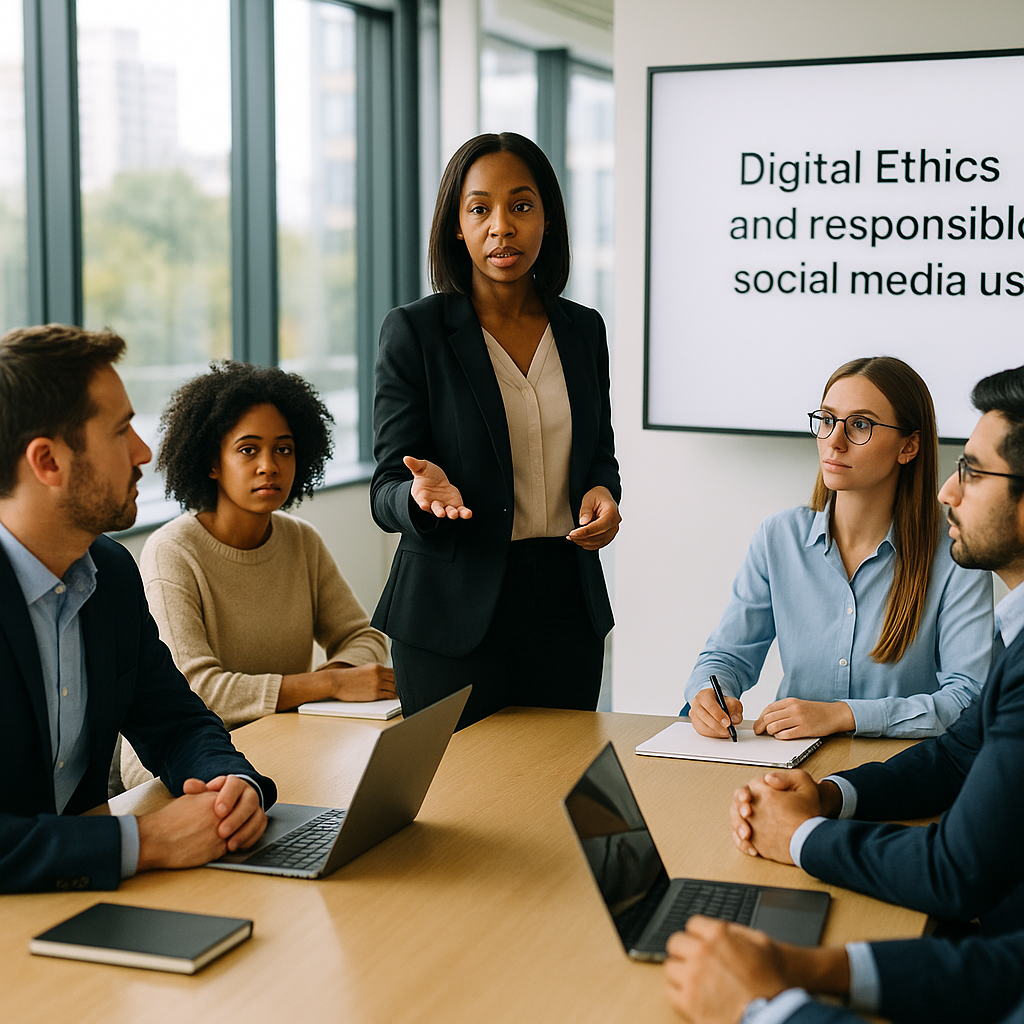
In a world increasingly shaped by digital interactions, the boundaries between personal and professional conduct have become more permeable, challenging traditional frameworks of trust and integrity within the global workforce. July 11, 2026, marks a moment to analyze how recent events underline the critical importance of addressing social media misuse and its ripple effect on workplace values and employee relations.
Digital Misconduct and Its Workforce Repercussions
Authorities recently reported a distressing case where inappropriate content involving a minor was recorded and disseminated via social media platforms. Although the specifics of this crime fall outside the purview of workplace incidents, the underlying themes of ethical breaches and digital responsibility resonate deeply within professional environments.
Social media's omnipresence has made it an arena where workforce policies must evolve rapidly. The potential for employees or their associates to engage in harmful online behavior, whether directly connected to their professional roles or not, poses challenges regarding organizational reputation, employee well-being, and compliance with legal standards.
Impact on Organizational Culture and Employee Trust
The incident shines a spotlight on key issues that affect workforce dynamics globally:
- Trust erosion: Incidents involving digital misconduct can undermine trust not only among colleagues but also between employees and management.
- Policy gaps: Many organizations find their current social media and conduct policies insufficient to address contemporary digital risks.
- Psychological safety: Exposure to or awareness of egregious behavior, even outside the workplace, can affect employees' mental health and sense of safety.
- Legal and ethical accountability: Organizations must navigate complex regulatory environments ensuring that employee behavior, online or offline, aligns with their corporate values and legal obligations.
Adapting Workforce Management to the Digital Era
In response to such challenges, global enterprises and HR leaders are increasingly adopting comprehensive strategies that include:
- Implementing robust digital conduct policies that extend beyond traditional workplace scenarios.
- Enhancing employee training programs focused on digital ethics, social media literacy, and appropriate online behavior.
- Employing advanced monitoring tools balanced with privacy considerations to detect and mitigate risks proactively.
- Fostering a culture of openness where employees feel empowered to report concerns without fear of reprisal.
These proactive measures serve not only to protect organizations from reputational harm but also to cultivate an environment where trust and ethical behavior are prioritized in an interconnected, digital-first workplace.
Conclusion
The evolving landscape of digital interaction demands that workforce management paradigms be continuously reassessed with an emphasis on ethical integrity and psychological safety. While tragic incidents such as the reported misuse of social media content present sobering reminders of behavioral extremes, they also underscore opportunities for organizations worldwide to strengthen their commitment to responsible conduct and employee well-being in an increasingly complex digital ecosystem.









No comments yet. Be the first!