
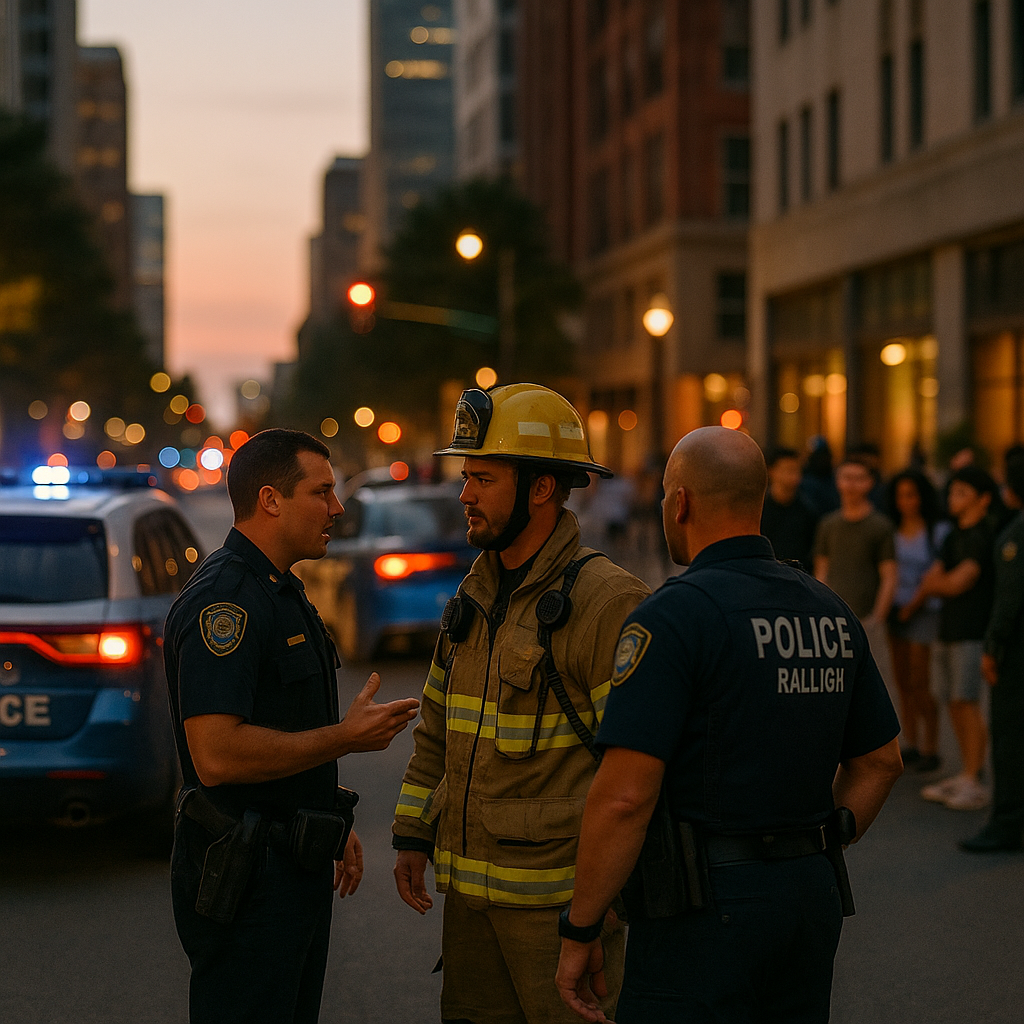
On the 7th of July, 2026, city leadership in Raleigh, North Carolina is actively considering the implementation of a youth curfew following a turbulent July 4th weekend. The disruption was sparked by an unprecedented gathering of approximately 10,000 teenagers, mobilized largely through social media platforms, that escalated into violence and resulted in nine people being shot.
Social Media as a Catalyst for Large-Scale Mobilization
The rapid congregation of youths in Raleigh is a compelling example of how social media now plays a pivotal role in shaping communal activities and public spaces. While these platforms enable peer connection and mobilization, they also present challenges for city authorities tasked with maintaining order and safety.
Local authorities have identified that much of this spontaneous youth 'takeover' was fueled by viral content and digital coordination, complicating traditional crowd management strategies and demanding innovative, tech-savvy solutions for urban governance and public safety.
Implications for the Local Workforce and Economy
Beyond immediate safety concerns, the events hold significant implications for Raleigh's workforce environment. The disturbance affects multiple sectors:
- Small businesses and retail workers: Many local establishments experienced operational interruptions or damages, impacting employee work hours and income stability.
- Law enforcement and emergency services: These sectors face increased demand and resource allocation needs, intensifying workload and stress on public workers.
- Hospital and healthcare staff: Treating the influx of injuries linked to the unrest places additional strain on medical personnel.
Such disruptions emphasize the necessity for workforce resilience planning, including robust policies to protect employees in volatile urban contexts.
Policy Measures and Workforce Considerations
The Raleigh mayor’s contemplation of a youth curfew aims not only at restoring public order but also at safeguarding city workers and business employees from recurrent disturbances. The proposed curfew would:
- Limit youth presence in public spaces during late-night hours.
- Provide clearer operational windows for businesses and workforce continuity.
- Assist law enforcement in proactive crowd management.
However, imposing such restrictions entails careful balancing of civil liberties with workforce protection, highlighting the need for inclusive dialogue with community stakeholders and youth representatives.
Future Outlook: Integrating Technology and Community Engagement
Raleigh’s experience is emblematic of a broader trend where urban centers must adapt to digitally-driven social dynamics that affect workforce performance and city functionality. Strategies moving forward may include:
- Deploying real-time social media monitoring tools to predict and prepare for mass gatherings.
- Enhancing communication channels between youth groups and city officials to foster cooperative safety measures.
- Investing in workforce support programs targeting employees affected by such events.
These approaches underline the interconnectedness of digital culture, public safety, and workforce management in modern metropolitan governance.
Conclusion
The proposed youth curfew in Raleigh after the July 4th unrest serves as a case study in contemporary urban workforce challenges amid social media-driven public mobilizations. Balancing effective public safety initiatives with workforce stability and civil rights will define the city’s strategic response moving forward, offering insights relevant to similar urban contexts worldwide.







No comments yet. Be the first!