
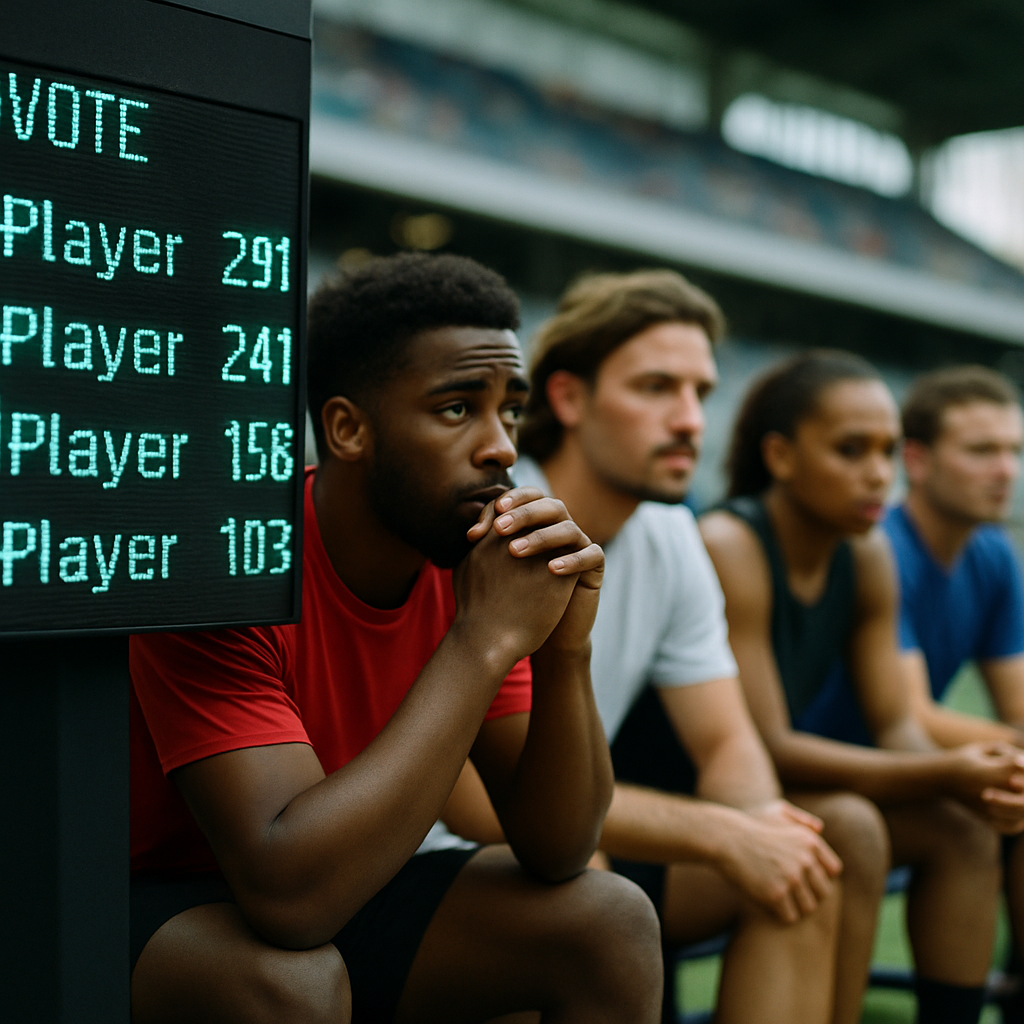
On July 3, 2026, the recent controversy surrounding a high-profile sports selection process offers a revealing lens on workforce dynamics in professional settings. The case involves a professional athlete receiving a markedly poor evaluation from her peers during an All-Star game voting, signaling issues that transcend sports and resonate deeply within global workforce management and employee recognition frameworks.
Context of Peer Evaluations in Workforce Environments
Peer evaluations are an essential factor in many professional fields, affecting career progression, recognition, and workplace inclusion. However, when votes or assessments are influenced by subjective biases, they can undermine not only individual morale but also organizational cohesion and fairness. The public removal of meritocratic principles in peer recognition can lead to disillusionment and decreased productivity across teams.
Broader Implications for Global Workforce Practices
This sports-related issue exemplifies a broader challenge in global workforce management: ensuring equitable and transparent evaluation systems. In multinational and diverse workplaces, differing cultural backgrounds, perceptions, and interpersonal dynamics can impact peer assessments. Organizations must implement deliberate strategies to mitigate bias and foster environments where talent and performance are recognized impartially.
- Fairness in Recognition: Crafting objective criteria that limit personal prejudices during evaluations.
- Inclusive Culture: Encouraging open communication and diverse perspectives to balance subjective viewpoints.
- Training Programs: Educating employees about unconscious biases and their impacts on peer assessments.
- Transparency Mechanisms: Clarifying evaluation processes to build trust and accountability.
Addressing Workforce Challenges Through Leadership
Strong leadership plays a crucial role in shaping equitable peer recognition systems. By prioritizing diversity, equity, and inclusion, corporate leaders can model behaviors that resist divisive tendencies and promote merit-based acknowledgment. Lessons from this current sports incident suggest that without active interventions, biases may persist, affecting teamwork, collaboration, and overall organizational effectiveness.
Technological Solutions and Data-Driven Assessment
Advancements in digital tools have enabled organizations to refine performance evaluation through data analytics, reducing subjective elements. Automated feedback platforms, sentiment analysis, and performance metrics integration allow for more balanced assessments that can supplement or guide peer reviews in real time.
Conclusion
The interplay between peer recognition and unbiased evaluation remains a pivotal concern in workforce management today. Incidents such as the one witnessed in professional sports underscore the necessity for transparent, fair, and inclusive peer assessment models to sustain engagement and fairness across all industries worldwide.








No comments yet. Be the first!