
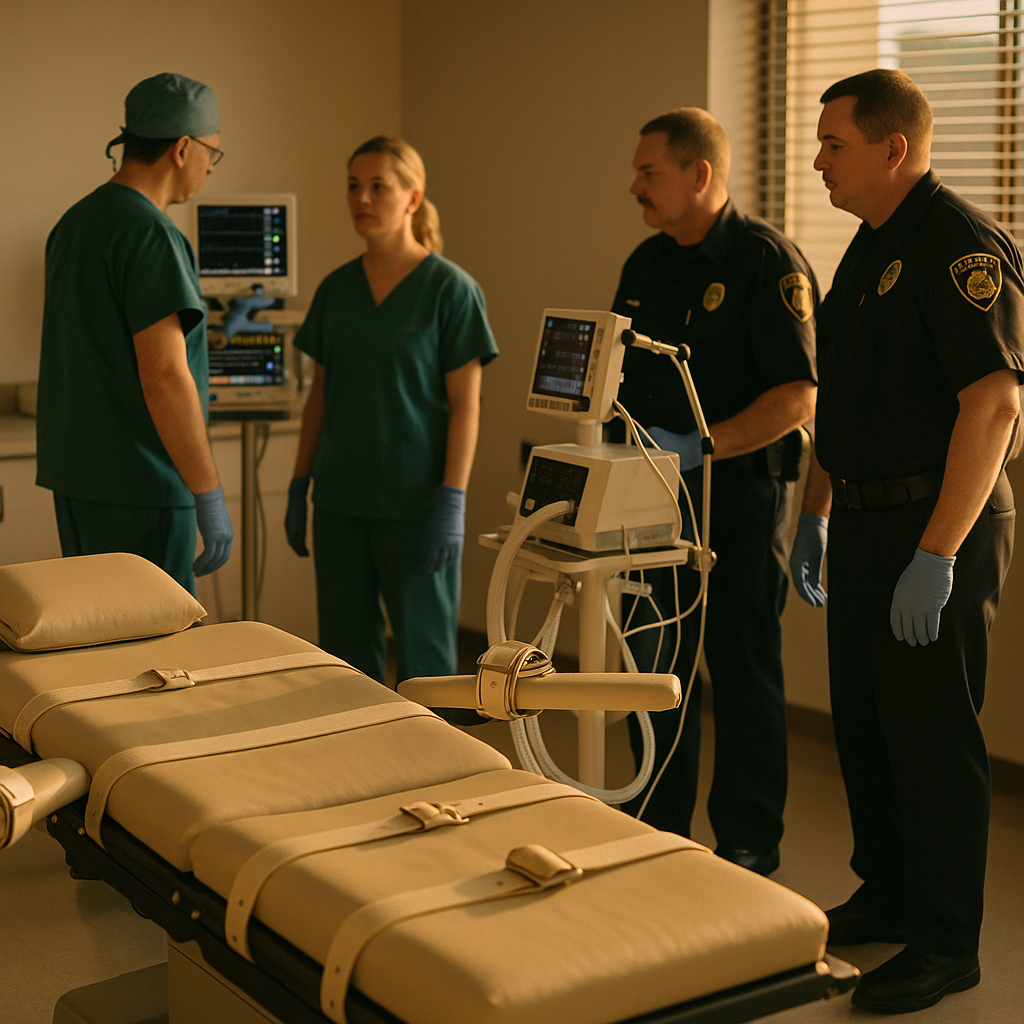
On October 2, 2026, the complications arising from a failed execution attempt in a death row facility have captured national attention, not only for their ethical and legal implications but also for shedding light on workforce challenges within correctional systems across the United States.
The incident involved an inmate who was declared unconscious and placed on a ventilator during the procedure, which was intended to be swift and definitive but ultimately was executed improperly. The failure exposed operational lapses that stem from workforce training gaps and inadequate procedural controls.
Workforce Competency in Critical Correctional Procedures
While executions are relatively rare events, the personnel tasked with implementing them require highly specialized skills akin to those found in medical and emergency settings. Yet, evidence now suggests that many correctional facilities may lack workforce members adequately trained in sensitive, high-stakes procedures. This has ramifications for:
- Skill specialization: The need for precise knowledge of medical interventions and life-support equipment.
- Crisis reaction: Managing unforeseen complications with rapid, informed responses.
- Interdisciplinary collaboration: Coordinating between medical staff, legal representatives, and correctional officers.
The botched execution highlights the urgent necessity to reevaluate recruitment, training, and credentialing processes for staff involved in these critical tasks.
Broader Implications for Correctional Workforce Management
This incident serves as a case study of how lapses in workforce preparedness can have profound consequences, emphasizing several broader challenges faced by the correctional workforce:
- Training consistency: Varied standards across jurisdictions create discrepancies in staff readiness.
- Workforce stress and turnover: Emotional and professional strains impact performance and retention.
- Implementation of evolving protocols: Difficulties in timely adoption and execution of updated procedural guidelines.
Addressing these challenges requires both policy-level reforms and organizational cultural shifts to prioritize continuous education and mental health support for staff.
Technology and Innovation as Workforce Enablers
Integrating advanced technologies can play a critical role in supporting correctional staff to execute complex procedures safely and effectively. Potential solutions include:
- Simulation training: Virtual and augmented reality platforms to replicate high-risk scenarios for skill enhancement.
- Real-time monitoring systems: Devices that provide immediate feedback during procedures to reduce human error.
- Data analytics: Leveraging workforce data to identify gaps, optimize staffing, and improve outcomes.
These innovations can bolster workforce competencies, reduce procedural failures, and ultimately enhance institutional credibility and public trust.
Global Labor Market Perspectives
Although executions are specific to certain countries, the underlying theme of workforce competency in handling critical, high-pressure tasks resonates globally. Key takeaways for labor markets worldwide include:
- The importance of continuous professional development in sectors involving high-risk operations.
- Cross-disciplinary training strategies that prepare personnel for multifaceted challenges.
- Investment in technologies as tools for workforce augmentation, not replacement.
Ensuring workforce resilience and capability remains paramount amid growing societal expectations for transparency and accountability.









No comments yet. Be the first!