
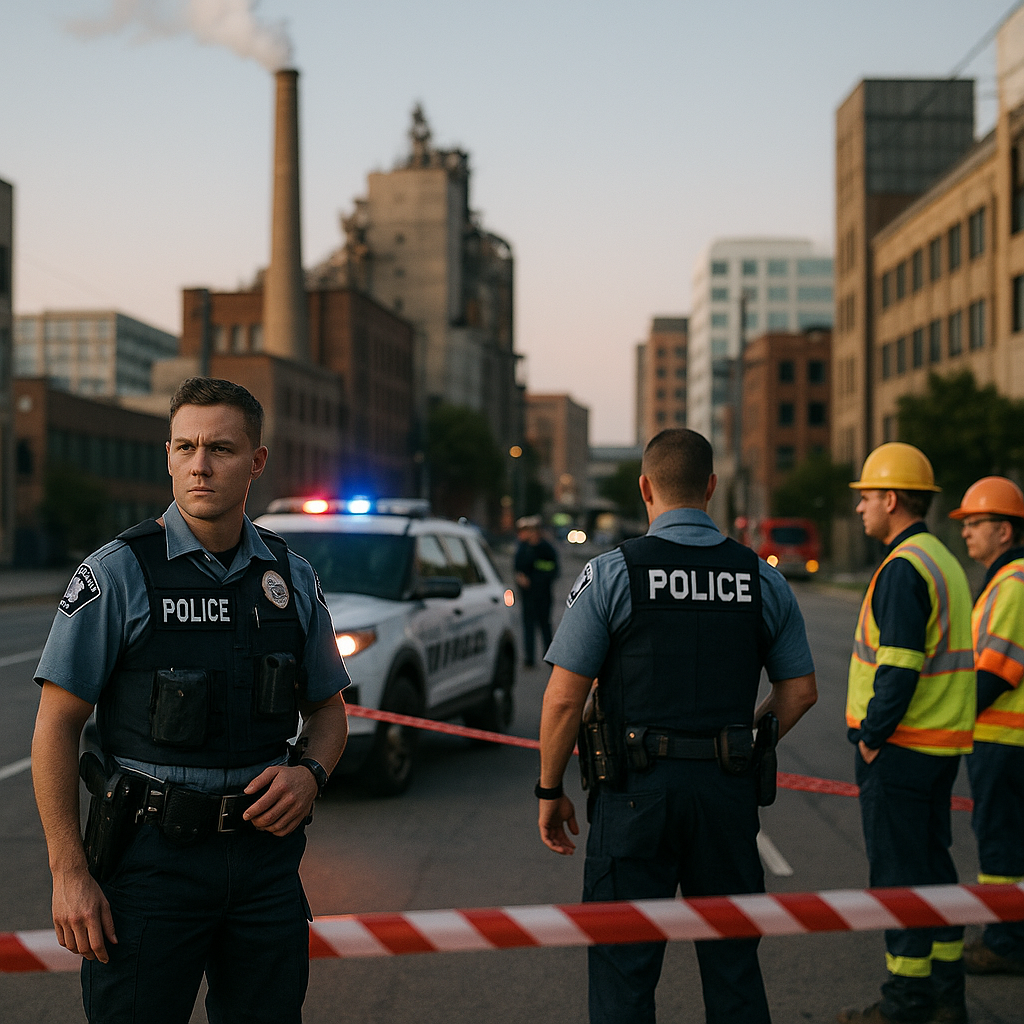
On August 20, 2026, Minneapolis is grappling with heightened anxieties related to workforce safety following the discovery of a third body within three days. This series of unsettling discoveries has brought to light pressing issues concerning the protection of workers and residents across the city.
The incidents, which have spurred an active investigation by local authorities, underscore challenges faced by urban workforces operating in environments where safety infrastructure may be insufficient or unevenly implemented. These revelations invite a deeper look into how cities like Minneapolis support the health, security, and well-being of their labor force amidst complex social and economic landscapes.
Broader Implications for Workforce Safety
The recent events in Minneapolis serve as a stark reminder that workforce safety extends beyond immediate workplace hazards. The well-being of workers often intertwines with community safety, access to healthcare, social programs, and mental health support systems. Addressing these multifaceted issues requires coordinated efforts from employers, policymakers, and local organizations.
Among the key workforce safety concerns highlighted are:
- Environmental and situational risks faced by workers during off-hours or in vulnerable urban settings.
- Limitations in rapid response and emergency services which can affect the outcomes for workers in distress.
- Gaps in social support networks that may leave certain populations more exposed to harm.
Impact on Employer Responsibilities and Urban Work Policies
Employers in Minneapolis and similar urban areas are increasingly called upon to reassess their policies to ensure comprehensive worker safety. Beyond traditional occupational health protocols, this means investing in initiatives such as:
- Enhanced safety training that prepares employees for risks inside and outside the workplace.
- Collaboration with community programs to strengthen local support infrastructure.
- Implementation of flexible work arrangements that consider employee safety during commutes and late shifts.
Leadership approaches that prioritize employee well-being holistically can foster more resilient urban workforces able to navigate evolving safety challenges.
Innovations and Strategic Approaches to Workforce Security
In response to incidents such as those recently reported in Minneapolis, industry leaders and policymakers are exploring innovative strategies that utilize technology and community engagement. Some promising directions include:
- The use of real-time location tracking and safety apps designed for workers in high-risk environments.
- Data-driven analysis to identify hotspots and times of increased vulnerability for workers.
- Community partnerships that focus on shared safety and rapid response capabilities.
The coordination of these efforts can significantly reduce risks and improve the perception of safety for the global workforce operating in complex urban contexts.
Conclusion
The unsettling discoveries in Minneapolis have undoubtedly raised urgent discussions about the state of urban workforce safety. They highlight the need for a comprehensive approach that integrates employer responsibility, community support, technology, and policy innovation to safeguard workers.
As cities continue to evolve and face new social challenges, prioritizing the safety and well-being of the labor force emerges as a fundamental pillar for resilient economic growth and social stability.










No comments yet. Be the first!