
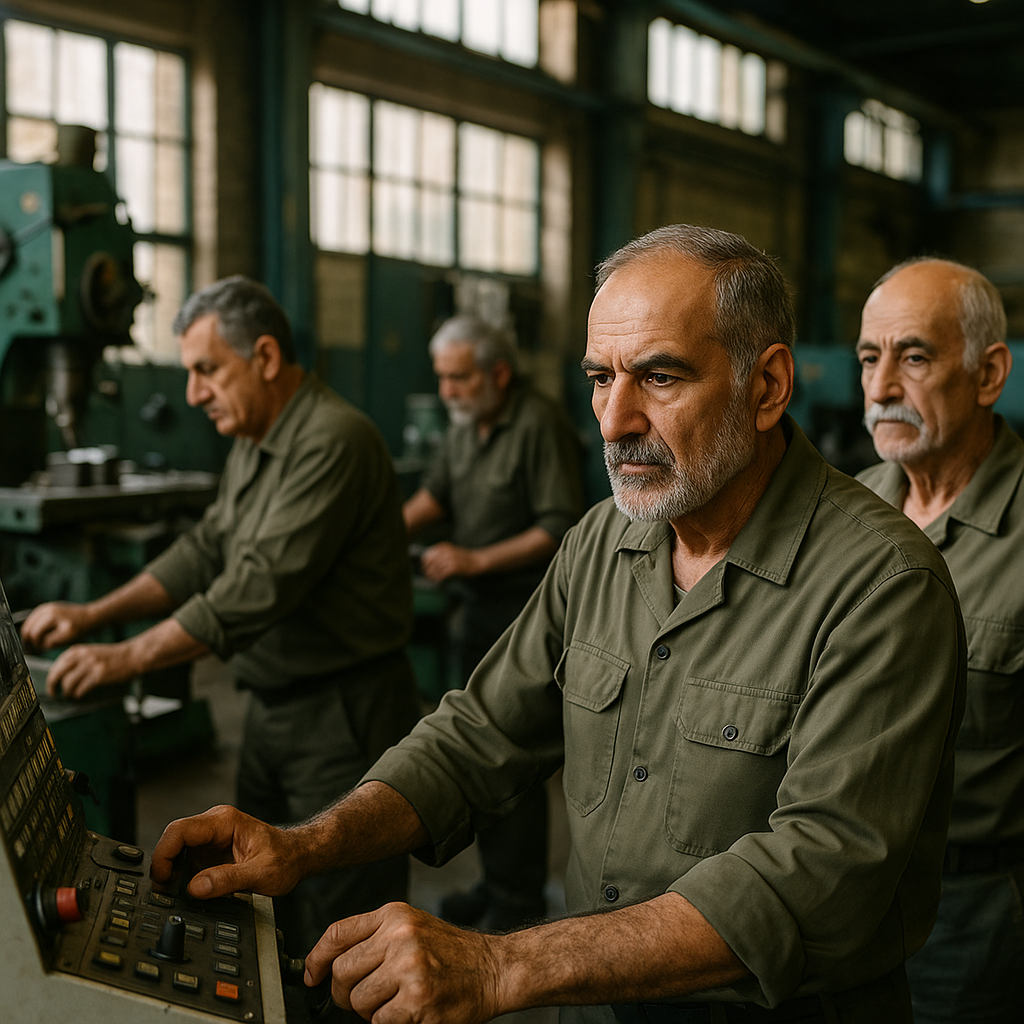
In the context of ongoing regional tensions and evolving geopolitical landscapes, Iran is undergoing a strategic effort to rebuild and reinforce its military structures. As of August 19, 2026, this initiative has revealed a crucial challenge within the country’s workforce: the dependence on an aging cohort of hardline personnel to fill the ranks.
This demographic reality presents multifaceted implications not only for Iran's defense sector but also for the broader labor market, skill development, and economic sustainability. The recruitment and retention dynamics in Iran’s military and security organizations increasingly rely on veterans whose ages exceed the optimal range for long-term operational capacity.
Demographic Strains and Workforce Sustainability
Iran’s recruitment landscape is constrained by a shrinking pool of young, skilled labor willing or available to join the ranks. Factors contributing to this phenomenon include economic pressures, international sanctions impacting industry growth, and broader socio-political uncertainties that affect workforce morale and composition.
As a result, leadership turns to experienced, albeit older, hardline members to immediately fill operational gaps, a measure that offers short-term continuity but raises concerns about agility and innovation capacities. This approach challenges the natural renewal process of any workforce, potentially leading to stagnation in strategic capabilities and limiting the effective transfer of knowledge to a new generation of professionals.
Economic and Social Implications
The reliance on an older workforce within a militarized sector carries broader socio-economic consequences:
- Reduced Labor Market Dynamism: The diversion of skilled youth toward military service may constrict the availability of qualified personnel in burgeoning industrial and technological sectors.
- Increased Pressure on Social Services: Aging employees typically demand enhanced healthcare and pension support, intensifying fiscal burdens amid existing economic constraints.
- Talent Retention and Development Challenges: The military’s dependency on veteran members can inhibit the integration of innovative training programs designed for younger recruits, limiting modernization efforts.
Strategic Workforce Adaptation
To mitigate these challenges, workforce planners in Iran are compelled to explore adaptive strategies including:
- Investment in vocational and technical education targeting younger demographics to diversify skill sets applicable beyond military roles.
- Implementation of phased retirement and mentorship programs to leverage the experience of older personnel while cultivating emerging leaders.
- Enhanced recruitment policies designed to incentivize youth participation without compromising socio-economic stability.
Such measures are crucial to balance immediate national security priorities with the sustainable development of Iran’s human capital.
Implications for Regional and Global Workforce Trends
Iran’s current workforce dynamics reflect broader patterns observed in regions where political and military tension intersect with demographic shifts. The intersection of aging skilled labor and urgent recruitment needs illustrates the complex relationship between national security imperatives and workforce sustainability.
For global workforce analysts and policy makers, Iran’s experience offers a case study on the risks of over-reliance on aging expertise without parallel investment in youth skills development, especially in sectors critical to national stability.
Conclusion
Iran’s initiative to rebuild its military amid demographic challenges highlights a critical nexus between workforce management and national strategy. As of 2026, leveraging an aging hardline workforce offers tactical continuity but amplifies risks related to long-term sustainability, innovation, and economic health.
Strategic investments in education, recruitment reforms, and workforce planning emerge as essential pillars to ensure that national security objectives are met without compromising the future labor market viability and socio-economic stability.









No comments yet. Be the first!