
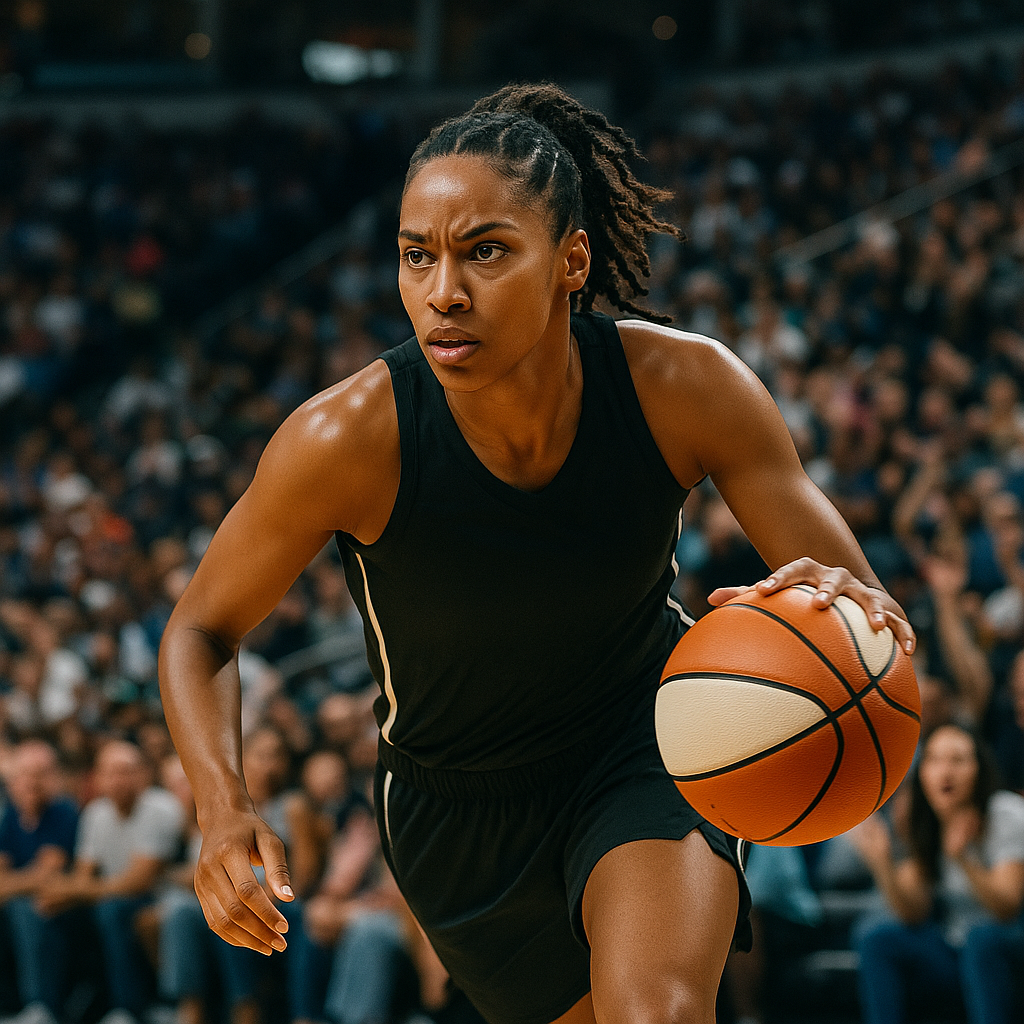
On August 21, 2026, a prominent legal firm known for spearheading landmark cases in women's sports issued a formal letter addressing recent challenges in the Women’s National Basketball Association (WNBA). The communication highlights concerns related to player treatment and negative fan interactions, calling attention to the pressing need for enhanced workplace culture and proactive workforce policies in professional women's sports.
Background and Context
The law firm, which gained national recognition for its advocacy in cases heard before the Supreme Court of the United States (SCOTUS) on women’s sports rights, has extended its focus beyond legal battles into the realm of athlete welfare and organizational conduct. Their recent intervention comes after a series of incidents involving fan behavior directed at players, particularly targeting standout athlete Sophie Cunningham, generating discourse on the treatment of women athletes and the impact on team dynamics.
Implications for Workforce Management in Sports
This development underscores critical challenges faced by sports organizations in managing their workforce, particularly in balancing public engagement and athlete support. Experts emphasize that how a league fosters a safe and respectful environment directly correlates with player performance, retention, and overall organizational reputation.
- Player Welfare: Ensuring emotional and physical safety is paramount for sustaining elite performance levels.
- Fan Interaction Policies: Developing clear guidelines to mitigate harassment or hostile behavior is essential.
- Organizational Culture: Cultivating inclusivity and respect within teams and administrative structures enhances cohesion.
The Role of Legal Advocacy in Shaping Industry Standards
The involvement of a legal entity experienced in women's sports law brings a heightened awareness of both rights protection and ethical responsibilities within sports organizations. Their communication represents a push toward systemic changes that harmonize legal precedent with daily operational practices, especially regarding gender equity and workplace respect.
The letter acts not only as a caution but also as a constructive appeal for policy review and implementation of enhanced protocols to address and prevent future incidents impacting players and the league’s public image.
Looking Ahead: Opportunities and Challenges
Adopting the firm’s recommendations could become a pivotal moment for how professional women’s sports leagues manage their human capital and community relations. It opens the floor for broader conversations on establishing standardized frameworks for workforce well-being in sports, including mental health resources, conflict resolution mechanisms, and fan education initiatives.
Conclusion
As women's professional basketball continues to grow its global footprint, the imperative to prioritize workforce culture and player support becomes increasingly clear. Legal advocacy that extends beyond litigation into active organizational engagement serves as a catalyst for positive change, aiming to ensure sustainable, respectful, and high-performing sports environments for women athletes worldwide.









No comments yet. Be the first!