
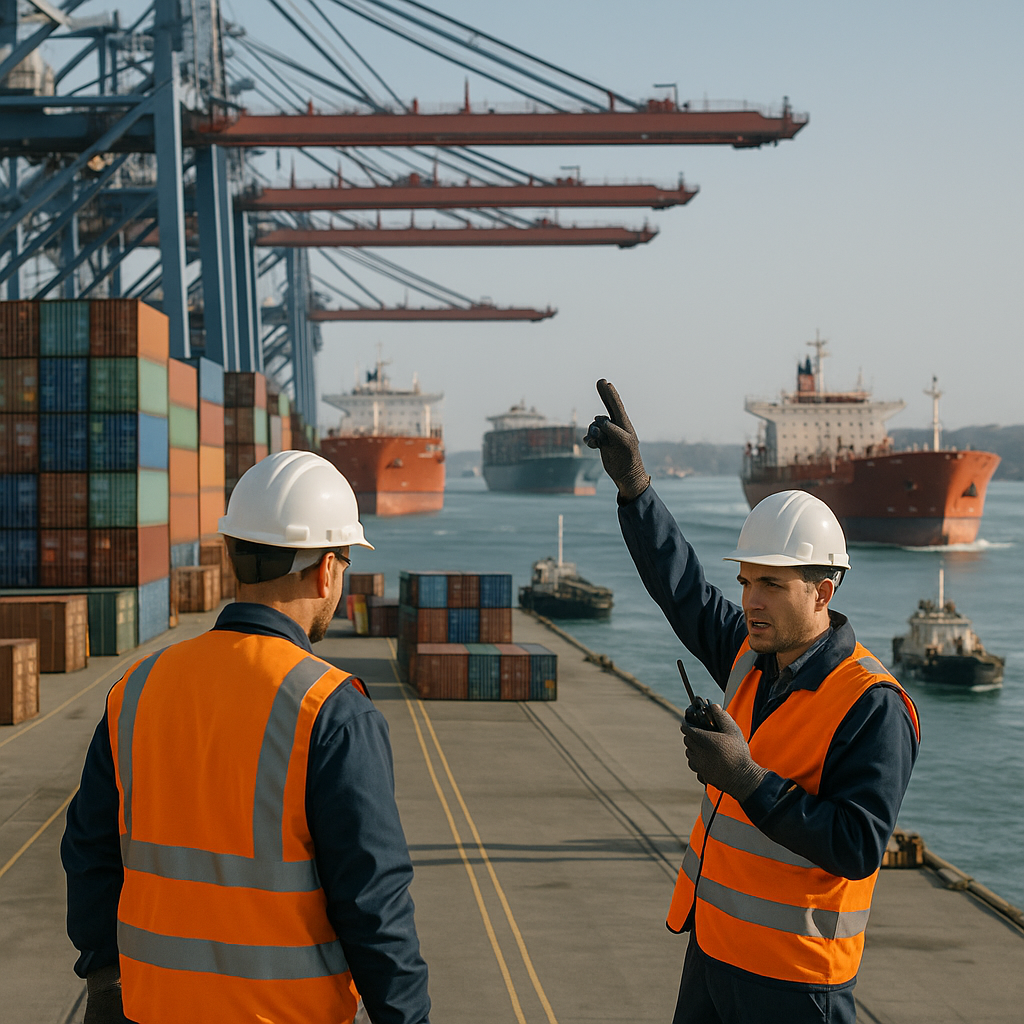
On July 24, 2026, U.S. military actions targeting strategic locations in Iran's main port have heightened geopolitical tensions in the Middle East. This comes after a series of assaults on civilian vessels navigating critical waterways, essential conduits for global oil shipments.
Such developments pose complex challenges for the global workforce, especially within industries reliant on stable energy supplies and maritime operations. The escalation directly impacts supply chains, shipping logistics, and energy-related employment sectors worldwide.
Global Energy Market Disruptions and Workforce Implications
The Middle East remains a pivotal region for global oil exports. The recent military actions contribute to rising oil prices and uncertainty in energy markets. These fluctuations compel companies within the energy sector and associated logistics providers to restructure workforce strategies urgently.
Key workforce challenges arising from the current situation include:
- Heightened safety concerns for maritime personnel navigating conflict-adjacent routes
- Increased demand for skilled labor in alternative energy and supply chain management to mitigate risks
- Operational disruptions requiring rapid workforce redeployment and reskilling
- Pressure on shipping companies to enhance crisis management capabilities and contingency planning
Adapting Workforce Strategies amid Geopolitical Uncertainty
Organizations with global operations in energy and shipping must navigate this instability by adopting flexible workforce models. This includes focusing on employee safety protocols, investment in remote monitoring technologies, and cross-training employees to ensure operational continuity.
Moreover, a surge in digital transformation initiatives is anticipated in sectors affected by these tensions, as automation and AI tools can reduce reliance on human presence in high-risk zones, fostering resilience within the workforce.
Economic Ripple Effects on Employment
The rising cost of energy directly affects industries across the board, from manufacturing to transportation, potentially influencing employment rates and wage structures. Companies may face increased operational costs, leading to workforce adjustments, including shifts in hiring patterns or temporary layoffs.
Conversely, increased investment in alternative energy projects might create new job opportunities, signaling a workforce transition phase influenced by geopolitical events.
Conclusion
In summary, the escalation of military tensions near critical maritime corridors in the Middle East poses multifaceted challenges for the global workforce. Energy market instability demands agile human resource strategies and robust crisis management frameworks to safeguard employees and ensure operational resilience. While uncertainties persist, these developments also accelerate workforce transformation toward more adaptable, technology-driven models that can better withstand geopolitical shocks.











No comments yet. Be the first!