
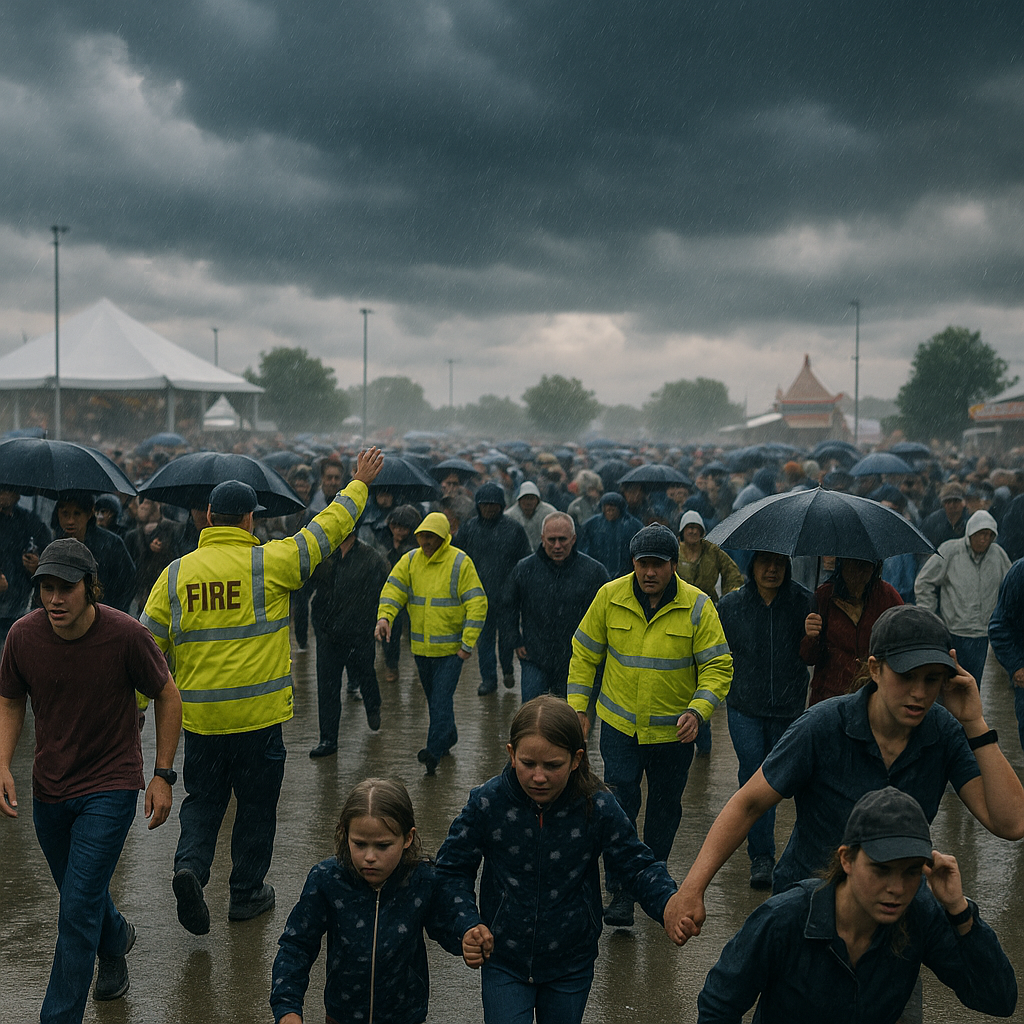
On July 4, 2026, severe weather conditions disrupted traditional Independence Day celebrations at the American State Fairgrounds, prompting the evacuation of thousands of visitors and raising critical challenges for event organizers and workforce management professionals.
Impact on Workforce and Event Operations
The sudden onset of severe weather created an urgent need for coordinated action across multiple workforces engaged in one of the country’s most significant annual public events. Personnel from event management teams, security, emergency responders, and facility operations were mobilized to ensure visitor safety and minimize operational disruptions.
As adverse weather conditions worsened, swift evacuation procedures were enacted, highlighting the importance of effective crisis management and workforce agility in large-scale event settings. This incident underscores the growing necessity for organizations managing public gatherings to integrate dynamic risk assessment tools and responsive workforce strategies to mitigate unforeseen environmental risks.
Challenges Faced by the Event Workforce
- Rapid Response and Communication: Ensuring clear communication among various teams and with attendees was imperative to facilitate a smooth evacuation process.
- Safety Protocol Enforcement: Security and safety personnel had to dynamically adapt protocols for crowd control under unpredictable weather conditions.
- Operational Continuity: Maintaining essential services like medical assistance, transport logistics, and information dissemination amidst chaos stressed event management resources.
Adapting Workforce Strategies Amid Climate Variability
The incident at the American State Fairgrounds serves as a case study in the vulnerability of workforce-driven events to climate variability and extreme weather phenomena. Organizations are increasingly called to embed resilience into their human capital frameworks by implementing:
- Enhanced training for rapid emergency response.
- Flexible staffing models to manage sudden operational shifts.
- Technology-enabled communication systems to streamline decision-making under pressure.
Investing in these strategies not only ensures workforce safety but also sustains operational integrity during unforeseen disruptions.
Looking Ahead: Workforce Preparedness for Major Public Events
As public events continue to grow in scale and complexity, the need for comprehensive workforce preparedness becomes increasingly urgent. This includes developing contingency plans that address environmental risks and ensuring the workforce is equipped to execute them efficiently.
The July 4, 2026 weather incident reaffirms the critical intersection between workforce management and environmental unpredictability in event contexts. It highlights the ongoing imperative for organizations to innovate in workforce deployment and crisis readiness to safeguard both personnel and public participants.
Conclusion
The severe weather disruption at the American State Fairgrounds on July 4, 2026, has illustrated the essential role of adaptive workforce management in safeguarding large-scale public events. Proactive strategies focusing on training, communication, and flexibility will be key to managing future workforce challenges driven by environmental factors.







No comments yet. Be the first!