
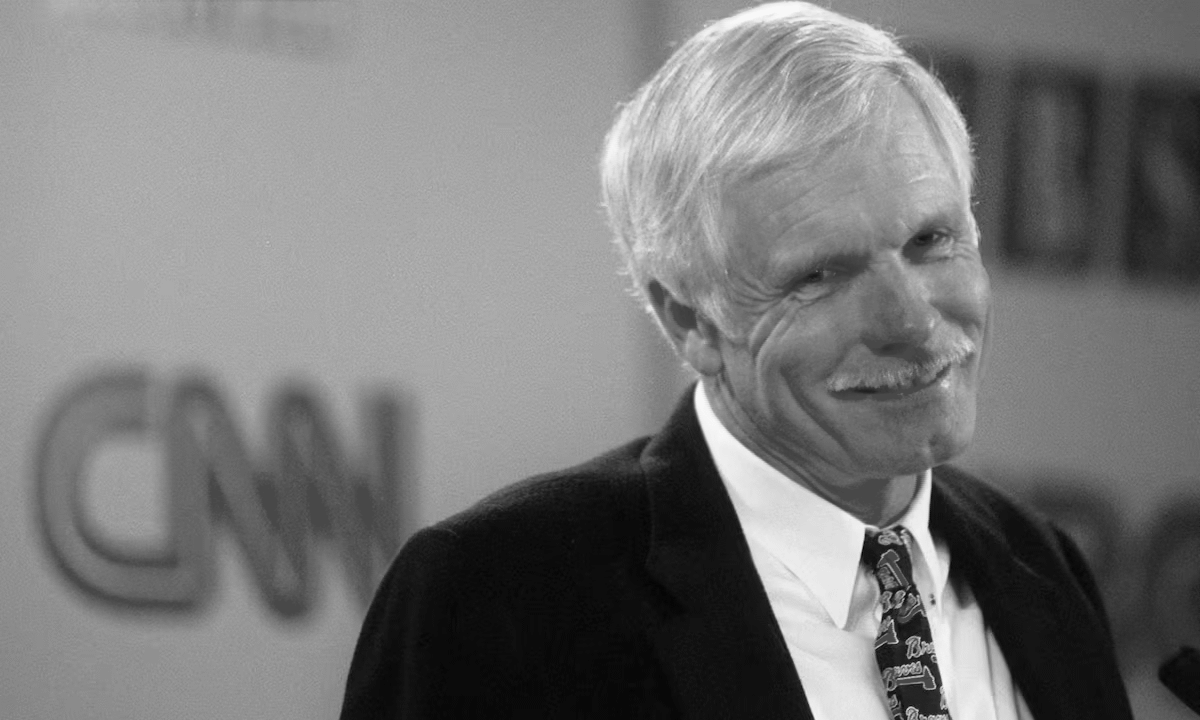
A turning point in how information moves globally
The death of Ted Turner marks the end of a figure closely tied to one of the most significant shifts in modern media systems. His creation of CNN did more than introduce a new channel; it altered how information travels across borders and reaches audiences in real time.
Before CNN’s launch in 1980, television news followed fixed schedules shaped by national broadcasters. Turner’s model disrupted that structure by offering continuous updates, allowing audiences to follow events as they unfolded rather than waiting for designated broadcasts.
From national broadcasting to global coverage networks
CNN’s expansion into international markets marked a transition from nationally centered news systems to globally connected coverage networks. By establishing correspondents and operations across multiple regions, the network built an infrastructure capable of reporting events from the ground in different parts of the world.
This approach became particularly visible during major geopolitical events, where continuous reporting provided audiences with immediate access to developments. The ability to broadcast live from multiple locations created a sense of proximity that traditional formats could not match.
Operational challenges behind continuous coverage
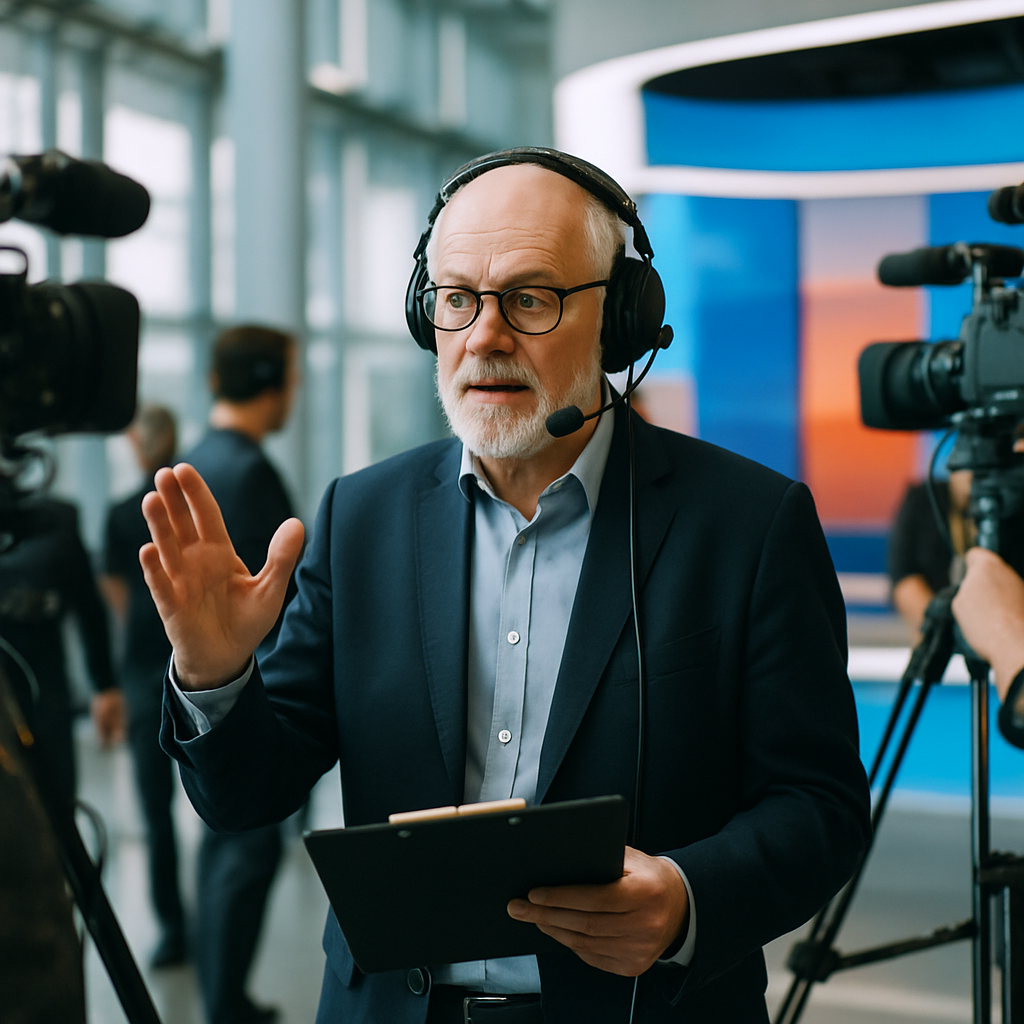
Maintaining a 24-hour news operation required structural changes within media organizations. Staffing, production workflows and technical infrastructure had to adapt to a model that eliminated downtime. Early in its development, CNN faced financial losses, limited audience reach and skepticism from established competitors.
Despite these challenges, the model proved sustainable over time. As distribution expanded and audiences adjusted to continuous access, the network strengthened its position and influenced how other organizations structured their operations.
Integration of content, distribution and media assets
Turner’s broader strategy extended beyond news. By acquiring film libraries, launching entertainment channels and investing in sports franchises, he created a diversified media ecosystem. This integration allowed content to be reused, distributed and monetized across multiple platforms.
The combination of content ownership and distribution capacity became a defining feature of large media organizations. It also contributed to the formation of global media conglomerates capable of operating across different segments simultaneously.
A lasting framework for contemporary media systems
The structures introduced during Turner’s expansion continue to shape current media environments. Continuous coverage, international news networks and integrated content strategies are now embedded in how information systems function worldwide.
His death brings renewed attention to the origins of these practices, highlighting how a single model contributed to redefining the pace and scale of global information flow. The influence of that shift remains visible in both traditional broadcasting and digital platforms that operate under similar principles of immediacy and constant availability.








No comments yet. Be the first!