
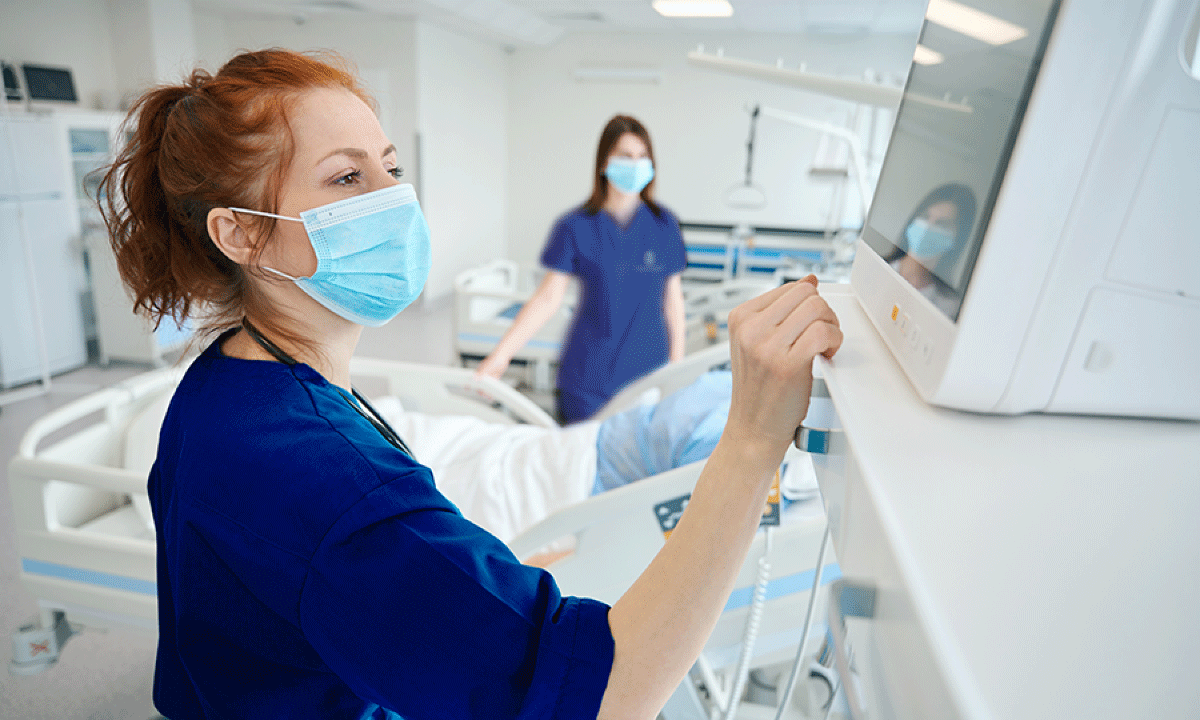
Cardiovascular diseases continue to be the leading cause of death globally, according to the World Health Organization, accounting for nearly 18 million deaths each year. This reality is reshaping not only healthcare systems but also the way nursing professionals are trained across the world.
Within this context, cardiac nursing specialization is emerging as a key area of professional development. It reflects a broader transformation in healthcare education, where generalist training is no longer sufficient to meet the complexity of modern clinical environments.
A shift toward highly specialized clinical education
Healthcare education systems are increasingly moving toward specialization as patient profiles become more complex. Cardiac care, in particular, requires advanced competencies in monitoring, emergency response, pharmacology, and the interpretation of critical cardiovascular data.
This shift reflects a broader trend in global education: the transition from general knowledge frameworks to competency-based learning models. Nursing professionals are now expected to integrate technical skills with clinical judgment in real-time environments.
Why cardiac nursing is becoming a global priority
The rise in chronic conditions such as hypertension, heart failure, and ischemic diseases has increased the demand for specialized care units worldwide. As a result, hospitals and healthcare systems are prioritizing professionals with advanced cardiovascular training.
This growing demand is not limited to high-income countries. Emerging healthcare systems are also investing in specialized training to improve outcomes and reduce mortality rates associated with cardiovascular conditions.
Key competencies defining modern cardiac nursing
- Advanced monitoring: interpreting ECGs and hemodynamic data in real time.
- Critical care response: acting quickly in high-risk cardiovascular events.
- Interdisciplinary coordination: working closely with cardiologists and ICU teams.
- Patient-centered care: supporting long-term recovery and rehabilitation processes.
How education is adapting to healthcare complexity
Educational institutions are redesigning nursing programs to reflect the increasing complexity of healthcare environments. Simulation-based learning, case-driven training, and advanced certification programs are becoming essential components of modern curricula.
The Advanced Certificate in Cardiac Nursing offered by the Division of Continuing Education of Blackwell Global University reflects this evolution, integrating applied clinical frameworks with structured learning designed for healthcare professionals seeking specialization.
A broader lesson for global healthcare systems
The rise of specialized cardiac nursing highlights a broader truth about the future of healthcare: systems will depend increasingly on highly trained professionals capable of operating in complex, data-rich clinical environments.
For educators and institutions worldwide, the challenge is not only to transmit knowledge, but to build adaptive, practice-oriented learning ecosystems that prepare professionals for the realities of modern medicine.










No comments yet. Be the first!