
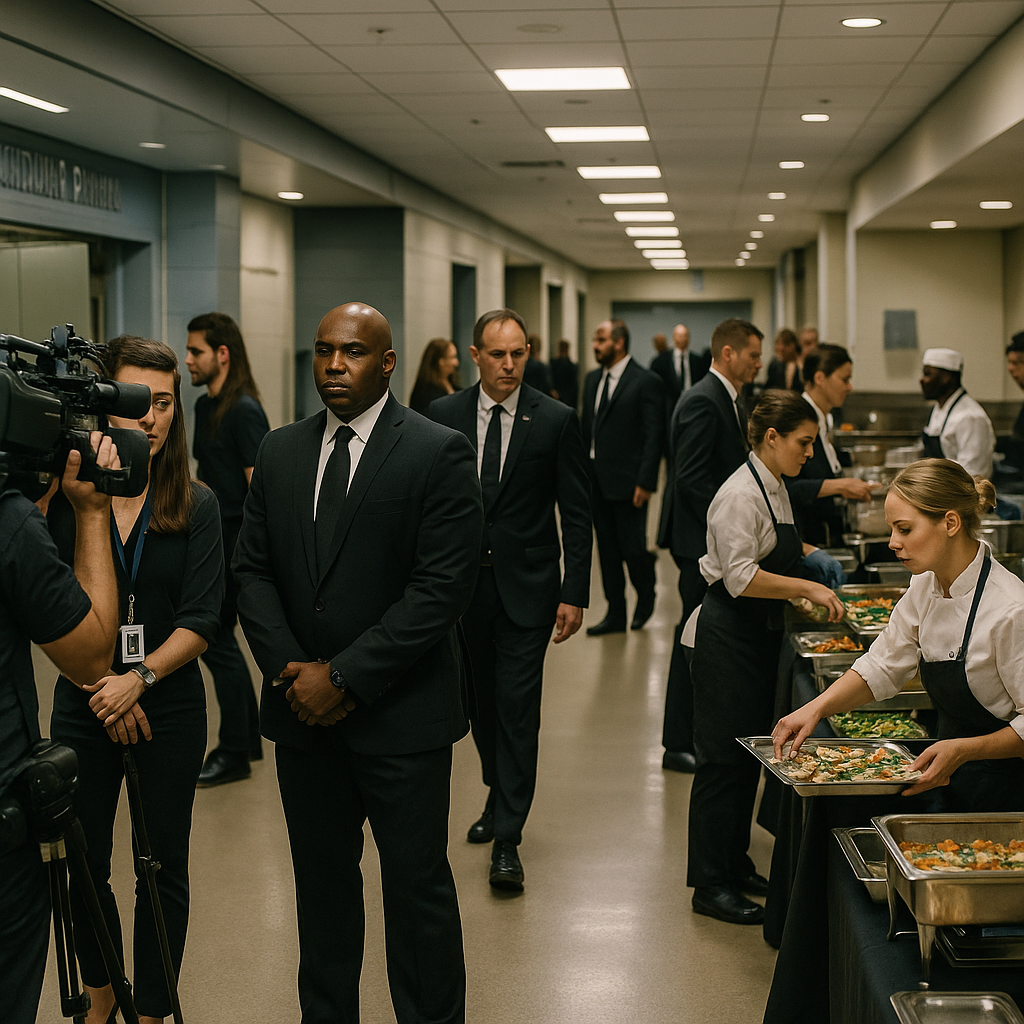
On July 4, 2026, the globally watched wedding between acclaimed singer Taylor Swift and NFL star Travis Kelce took place at New York's iconic Madison Square Garden (MSG). Beyond the celebrity headlines, this star-studded event offers valuable insight into the economic and workforce implications within industries that support large-scale, high-profile ceremonies.
Transforming Celebrity-Driven Events into Workforce Opportunities
Major events such as this wedding mobilize a broad spectrum of professionals ranging from event planners, hospitality staff, security personnel, to media teams and vendors. The demand for specialized skill sets and coordination highlights the importance of agile workforce models capable of scaling operations quickly and efficiently.
The integration of entertainment and sports through this union also spurs collaboration across different sectors, amplifying job creation in marketing, merchandising, and digital content production. This crossover appeal encourages workforce diversification, promoting roles that require creativity alongside technical proficiency.
Economic Ripple Effects on Related Sectors
The orchestration of celebrity weddings at venues like MSG represents significant economic input. This event generated opportunities for local vendors, from catering companies to florists, illustrating how celebrity culture drives microeconomic activity with tangible benefits for the service industry workforce.
Moreover, the extensive media coverage ignites demand for specialized roles in digital journalism, photography, video production, and social media management. The push toward content creation that caters to global audiences necessitates skilled communicators and tech-savvy professionals, catalyzing labor market evolution.
Challenges and Innovations in Managing Event Workforces
Large-scale celebrity events present unique workforce challenges:
- Logistical complexity in aligning cross-functional teams for seamless execution.
- Ensuring security and privacy for high-profile individuals while managing public attention.
- Meeting elevated expectations for quality of service and experience in dynamic environments.
These challenges drive innovation in workforce management practices, emphasizing flexibility, team training, and advanced communication solutions. Businesses embracing these strategies position themselves competitively in the expanding market for elite event management services.
The Role of Technology and Remote Coordination
Technology’s role in this event extended beyond production into workforce coordination. Real-time communication platforms, AI-driven scheduling tools, and virtual collaboration enabled efficient interaction among dispersed teams, underscoring trends toward hybrid working models in event planning.
Such technological adoption contributes to creating resilient workforces capable of adapting to rapidly changing demands, an essential characteristic in the evolving landscape of global events.
Conclusion
The Taylor Swift and Travis Kelce wedding exemplifies how celebrity culture influences global workforce dynamics by stimulating employment across diverse sectors and catalyzing innovative workforce management practices. As consumer appetites for immersive experiences grow, understanding these intersections will be vital for stakeholders aiming to capitalize on emerging trends within the global workforce.











No comments yet. Be the first!