
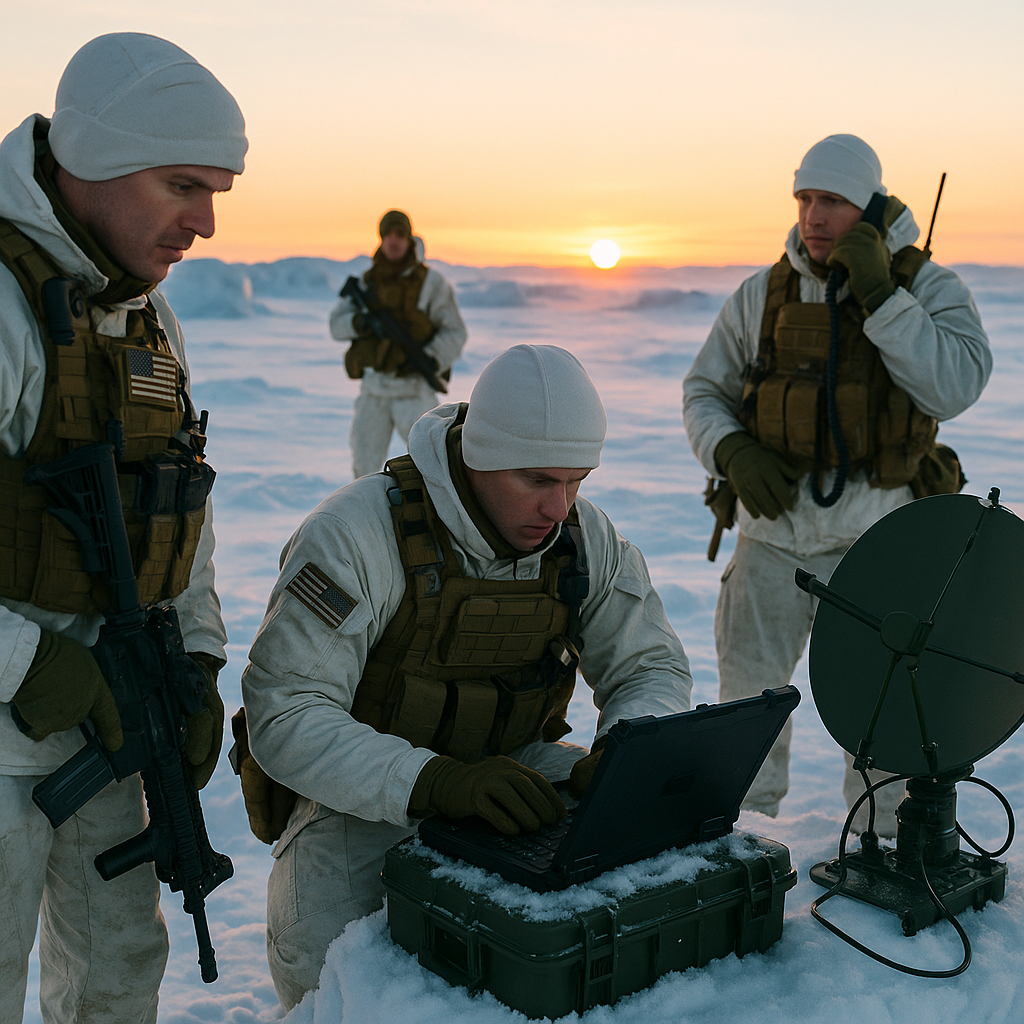
As of October 4, 2026, the United States military has intensified its operational focus on the Arctic, a region of growing geopolitical and economic significance. This strategic pivot northward is driven by evolving security challenges and the region's vast natural resources, which require an increasingly complex array of skilled personnel.
Emerging Workforce Demands in the Arctic
The expansion of military activities in the Arctic has created a unique labor market dynamic, emphasizing technological expertise, logistical acumen, and environmental adaptability. Personnel require specialized training in cold-weather operations, advanced navigation systems, and joint international exercises.
- Technical Specialists: Engineers and technicians skilled in maintaining advanced military hardware and infrastructure adapted to extreme Arctic conditions are now in higher demand.
- Logistical Coordinators: Experts who can manage supply chains in remote and challenging environments play a critical role in sustaining sustained operations.
- Environmental and Safety Professionals: Specialists focusing on impact mitigation and personnel safety are vital given the fragile Arctic ecosystem and extreme weather risks.
Implications for Recruitment and Training
The US military has initiated comprehensive workforce development programs aimed at equipping personnel with the necessary skills to thrive in Arctic conditions. These initiatives include partnerships with academic institutions and private sector organizations to foster innovation in cold-region technologies.
Recruitment efforts now attract professionals with backgrounds in polar science, engineering, and cybersecurity, reflecting a multidisciplinary approach to Arctic operations. Training regimes emphasize not only technical proficiency but also cultural and environmental awareness to facilitate international cooperation.
International Collaboration and Workforce Integration
The Arctic's evolving security landscape necessitates collaboration among allied nations, which extends to workforce integration and knowledge sharing. Multinational joint exercises and cross-border training programs enhance interoperability and foster a unified approach to Arctic stewardship.
Workforce flexibility is increasingly prioritized, allowing personnel to adapt to fluctuating operational demands while maintaining high readiness levels. This adaptability is crucial given the unpredictable environmental and geopolitical factors influencing the region.
Economic and Industry Impact
The increased military presence in the Arctic has stimulated growth in defense-related industries and local economies, resulting in new employment opportunities beyond the armed forces. Contractors, technology developers, and support service providers are expanding their footprint, requiring a wider skilled labor pool.
Investment in infrastructure, communication networks, and sustainable energy solutions supports these workforce expansions, creating ecosystems that combine military and civilian expertise to address Arctic challenges.
Conclusion
The US military's strategic reorientation towards the Arctic is more than a geopolitical maneuver; it represents a profound shift in workforce composition and capabilities. Preparing personnel to operate effectively in this demanding environment requires innovation, education, and international cooperation. As the Arctic emerges as a critical frontier, the development of a skilled and adaptable workforce will be essential to ensure operational success and sustainable regional engagement.









No comments yet. Be the first!