
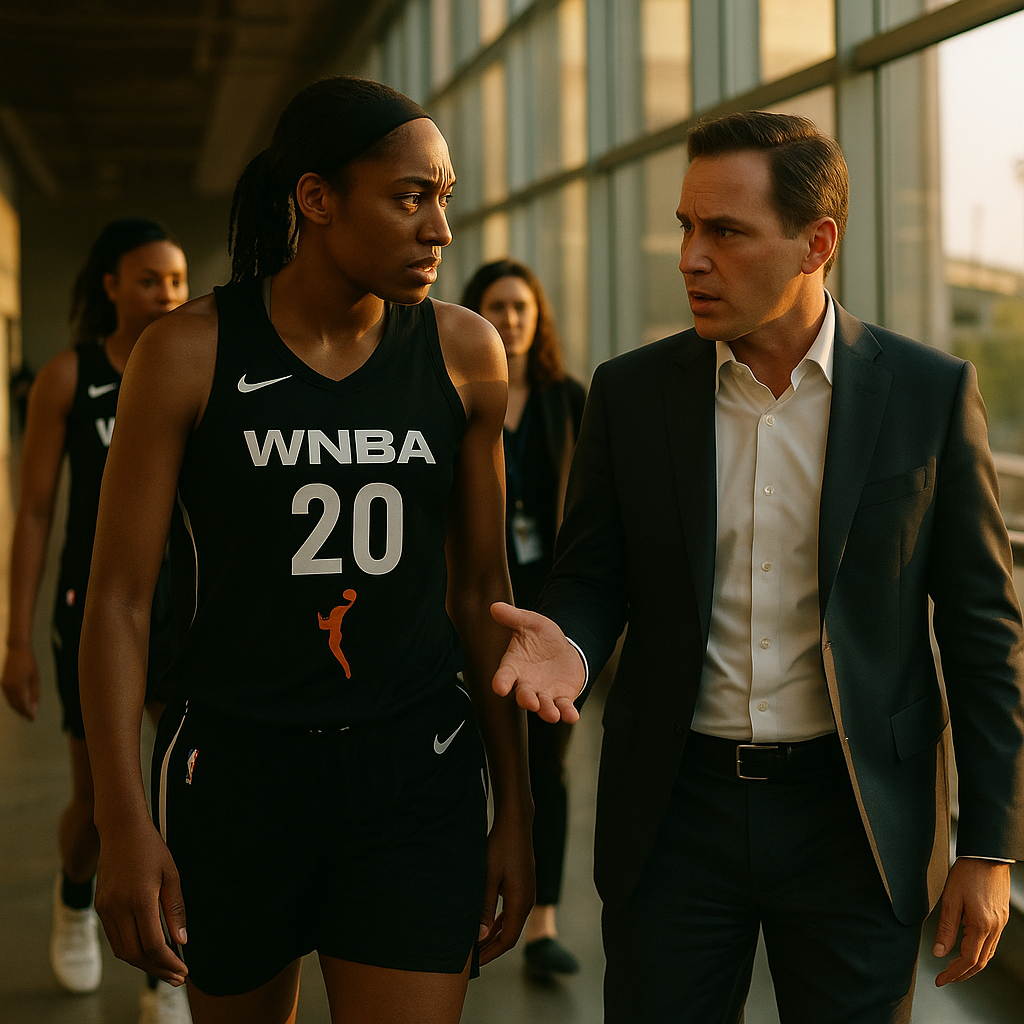
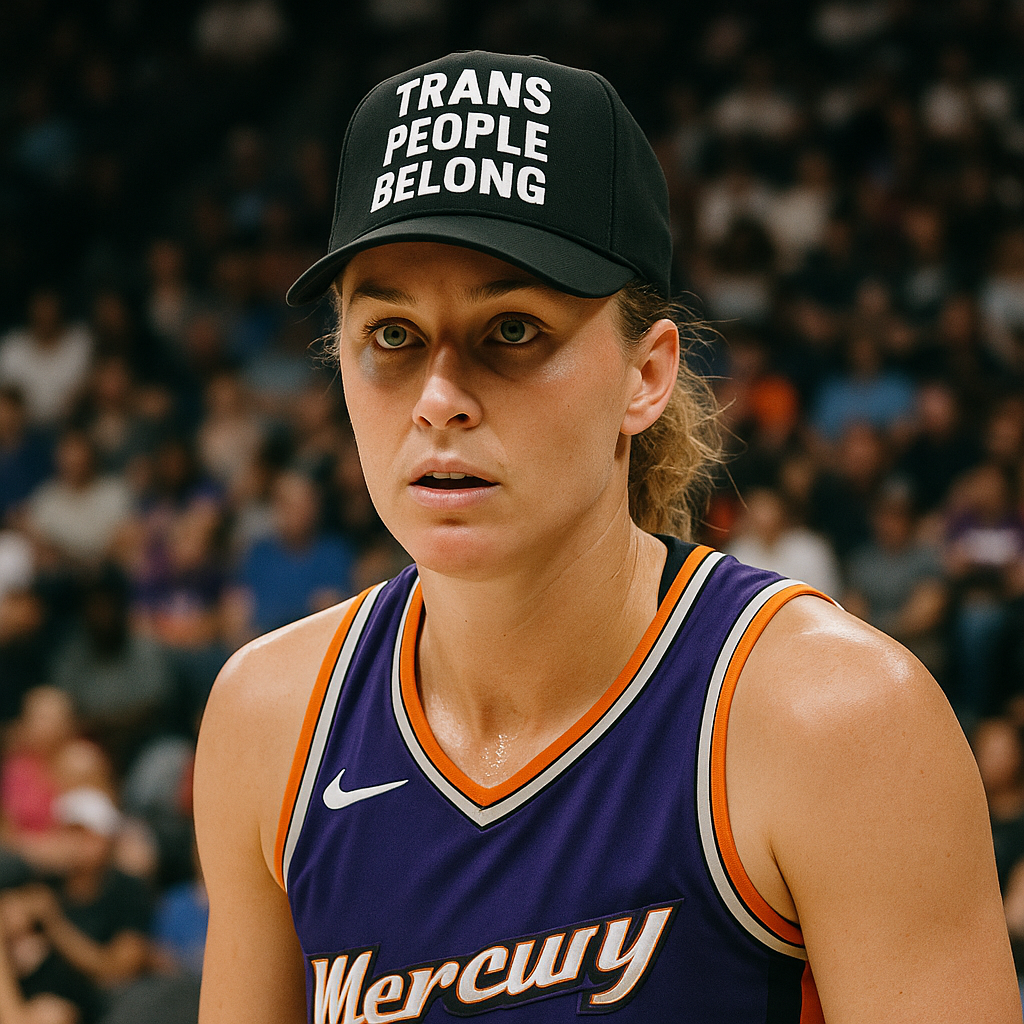
As of August 21, 2026, a notable discussion has emerged around the treatment of Sophie Cunningham’s supporters within the context of the Women’s National Basketball Association (WNBA). This conversation, initially catalyzed by public statements from Texas Attorney General Ken Paxton, offers an important lens into organizational workforce dynamics in professional sports.
Understanding Workforce and Stakeholder Dynamics in Professional Sports
The intersection of athlete representation, fan engagement, and organizational response exemplifies challenges in managing a diverse, distributed workforce, including non-traditional stakeholders. Sports leagues like the WNBA operate not only as competitive entities but also as complex workplaces where brand reputation and engagement directly influence business outcomes.
Paxton’s remarks, while political, serve as a gateway to analyze how organizational culture and communication practices impact workforce morale and external stakeholder trust. Maintaining a healthy relationship with fans, who often serve as extended workforce ambassadors, is critical for sustainable growth.
Key Challenges Identified
- Communication Clarity: Clear messaging that aligns organizational goals with fan and athlete expectations remains essential.
- Inclusive Engagement: Ensuring equitable treatment of all workforce facets – from athletes to supporters – promotes a cohesive brand identity.
- Conflict Resolution Frameworks: Proactively addressing concerns raised by external constituencies helps mitigate reputational risks.
- Adapting Workforce Strategies: Integrating social and digital media feedback loops to stay responsive in a fast-evolving environment.
Strategic Implications for the Global Workforce
Although centered on a sports organization, these themes resonate broadly across global workforce management practices. Organizations worldwide increasingly navigate complex stakeholder ecosystems where workforce engagement extends beyond traditional employees to include customers, fans, and social communities.
The WNBA’s scenario illustrates the necessity for human resources and management teams to:
- Develop agile engagement models that incorporate diverse stakeholder voices.
- Implement transparent communication strategies that anticipate potential friction points.
- Leverage data analytics to monitor sentiment and adapt accordingly.
Such approaches are vital for building resilient organizations capable of thriving amid public scrutiny and shifting cultural expectations.
Lessons for Workforce Leaders
Workforce leaders can extract valuable insights from the WNBA case to enhance their practices:
- Prioritize empathy and responsiveness in managing external and internal workforce relations.
- Recognize that fan or customer engagement can directly affect employee motivation and organizational performance.
- Invest in training programs that prepare teams to handle sensitive public interactions deftly.
The evolving demands of global workforces, increasingly interconnected with brand stakeholders, require a multifaceted approach to engagement and support.
Conclusion
The discourse sparked by recent events involving Sophie Cunningham’s supporters sheds light on broader workforce complexities in contemporary organizations. The WNBA’s experience underscores the importance of strategic communication, stakeholder integration, and adaptive workforce management to navigate evolving social landscapes effectively.
As companies continue to operate in high-visibility, interactive environments, learning from these scenarios will prove essential for sustainable organizational success.








No comments yet. Be the first!