
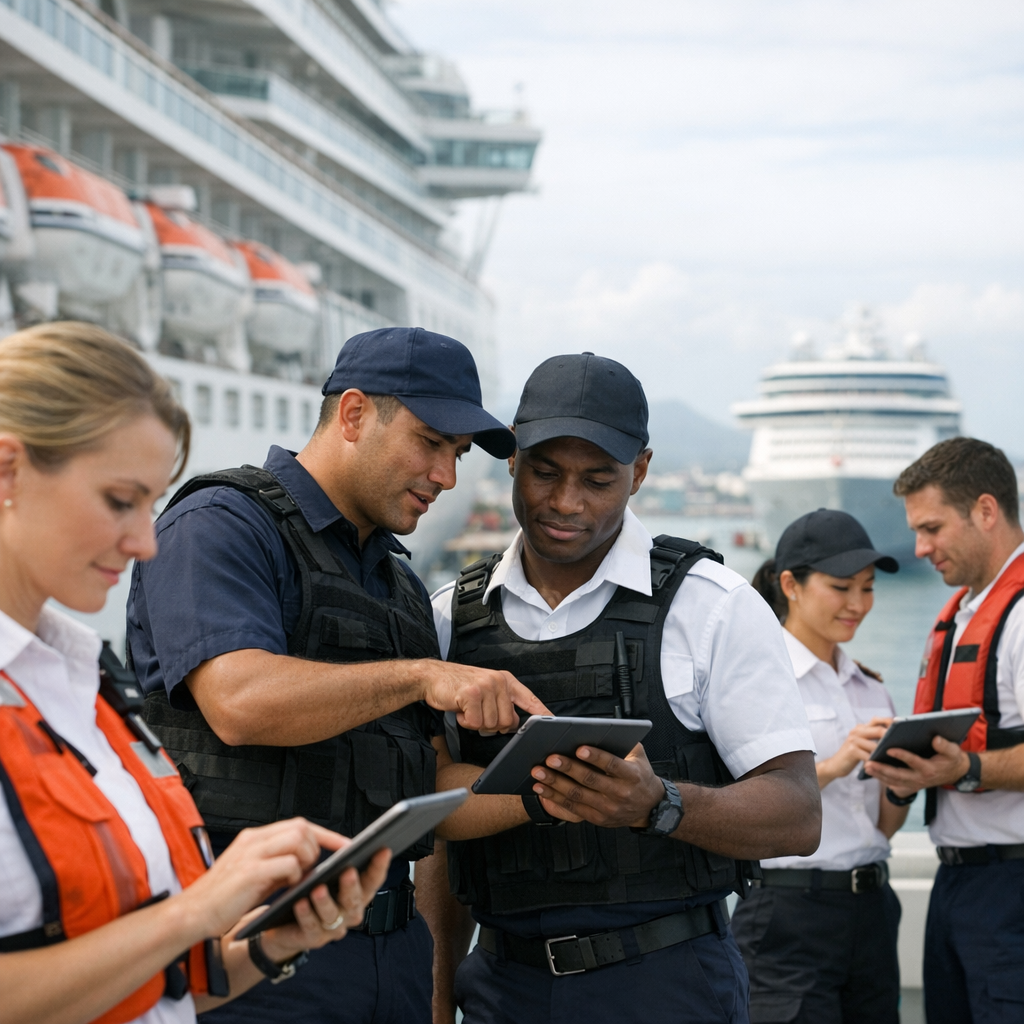
As of November 2026, Mexico has implemented a rigorous new maritime security law that significantly affects the cruise industry operating within its territorial waters. While primarily designed to enhance passenger safety and regulatory compliance, the law also triggers important changes in workforce management and operational protocols across the sector.
Legal Framework and Workforce Adaptation
The legislation mandates stricter screening procedures for cruise passengers and crew members, alongside enhanced documentation and verification processes. For maritime personnel, this translates into increased responsibilities and the need for comprehensive training to comply with the new standards. Security officers, custom agents, and on-board staff must now navigate a more complex regulatory environment, requiring greater coordination with Mexican authorities.
Additionally, cruise operators face the necessity to augment their staffing solutions to accommodate longer boarding times and intensified security checks, all while maintaining quality service. This creates demand for specialized roles within the workforce focused on regulatory adherence and passenger facilitation.
Operational Challenges and Workforce Implications
From a labor perspective, the law imposes challenges including:
- Extended Passenger Processing: Increased screening protocols extend boarding duration, affecting crew scheduling and shift patterns.
- Compliance Training: Mandatory security and legal compliance education for maritime employees, elevating skill requirements.
- Cross-border Collaboration: Intensified communication between cruise lines and Mexican authorities necessitates multilingual and culturally adept staff.
- Job Role Evolution: Emergence of compliance officers and security liaisons specialized in navigating new legal demands.
Broader Impact on the Global Cruise Workforce
The ripple effects of Mexico’s regulation extend beyond national boundaries, influencing workforce strategy in an industry reliant on international mobility and multinational staff. Cruise companies with itineraries including Mexican ports must align their HR practices globally to ensure consistent compliance and operational efficiency.
This adjustment period could accelerate trends toward professionalization within maritime careers, emphasizing legal literacy and cross-cultural competencies. Concurrently, labor unions and workforce advocates are prompted to reexamine employee protections and working conditions under the intensified regulatory scrutiny.
Technological Integration and Future Directions
To meet these new regulatory demands, many cruise operators are investing in digital solutions:
- Automated Passenger Identification Systems: To expedite secure processing without compromising compliance.
- Advanced Compliance Management Platforms: Facilitating real-time updates on regulatory changes and streamlined documentation.
- Remote Training Modules: Enhancing workforce readiness and adaptability at scale.
Such technologies not only support current requirements but also fortify the industry's resilience amid evolving global maritime regulations.
Conclusion
Mexico’s new maritime security law represents a critical juncture for the cruise industry’s workforce dynamics. By imposing stricter controls and operational demands, it catalyzes a transformation in labor roles, professional skills, and technological adoption. Stakeholders in the global cruise sector must proactively adapt, balancing enhanced security imperatives with sustainable workforce development to maintain robust and safe operations in an increasingly regulated environment.










No comments yet. Be the first!