

On November 23, 2026, the latest Associated Press (AP) Top 25 college football poll revealed significant upheavals within the rankings, notably impacted by continuing sanctions imposed on the Big Ten Conference. While this may appear, at first glance, to be a purely sports-centered development, the underlying dynamics provide a compelling lens through which to explore the nature of disruption, adjustment, and strategic response in today’s global workforce.
The Dynamics of Organizational Penalties and Workforce Morale
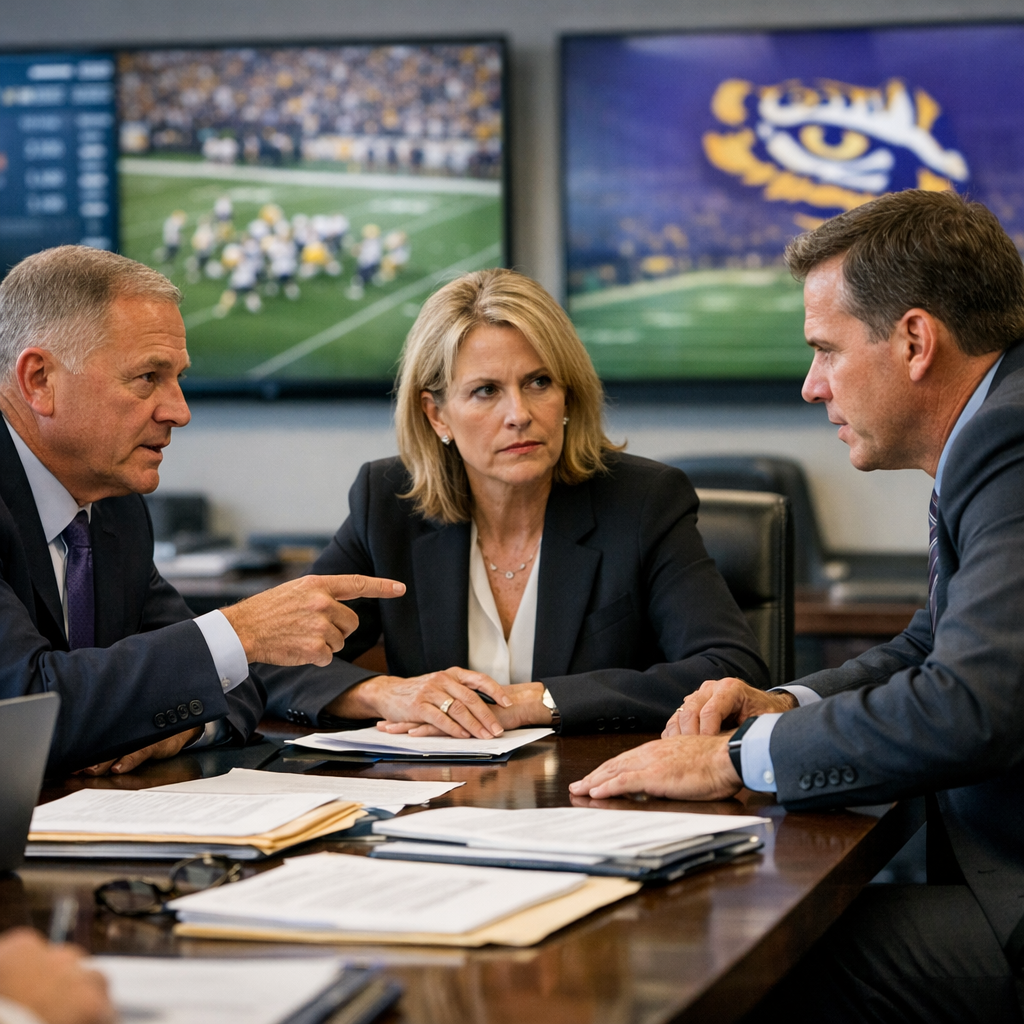
The Big Ten’s ongoing punishment — resulting in reduced rankings and visibility — has created a ripple effect comparable to organizational penalties or regulatory setbacks experienced in various industries. When certain units or teams face sanctions, the morale and performance of the entire organization can be impacted. This highlights the importance of transparent communication, leadership resilience, and mental health support for employees navigating uncertainty.
Emergence of New Leaders and Shifting Power Structures
The “jump” of the Texas Longhorns and the Alabama Crimson Tide within the rankings demonstrates how entities can arise strongly from the voids created by others' setbacks. In the global labor market, similar trends are observed as some regions, companies, or sectors leverage disruptive changes to accelerate growth. Adaptive leadership that capitalizes on emerging opportunities while mitigating risks is critical for maintaining competitive advantage.
Implications for Workforce Planning and Talent Development
This athletic reshuffle reflects a broader imperative for organizations worldwide: the need to reassess workforce strategies dynamically. Key takeaways include:
- Continuous Skill Development: Just as teams recalibrate their strategies game by game, employees and organizations must invest in continuous learning to stay agile.
- Data-Informed Decision Making: Monitoring real-time performance metrics, much like rankings and statistics in sports, enables timely strategic adjustments.
- Adaptability to External Pressures: Navigating sanctions or economic shifts requires flexibility in roles, operational models, and leadership approaches.
- Promotion of Resilience Culture: Strong support systems enhance the ability of workforce segments to recover quickly and maintain productivity.
Lessons from Competitive Environments for Future Workforce Models
The competitive environments exemplified by college sports rankings serve as microcosms of a complex global labor ecosystem. They illustrate:
- The importance of transparent evaluation systems to foster trust and fairness.
- How reputational impacts can significantly influence recruitment and retention.
- The need for contingency plans to mitigate risks associated with disruptions.
Conclusion
The shifts seen in the 2026 AP Top 25 poll underscore the realities of a fluid and often unpredictable environment—be it in collegiate sports or the world of work. Organizations that proactively embrace adaptability, prioritize continuous development, and foster resilient cultures will be better positioned to thrive amid challenges. Drawing on the lessons from this sports disruption enables a deeper understanding of strategic workforce transformation in an increasingly dynamic global landscape.






No comments yet. Be the first!