
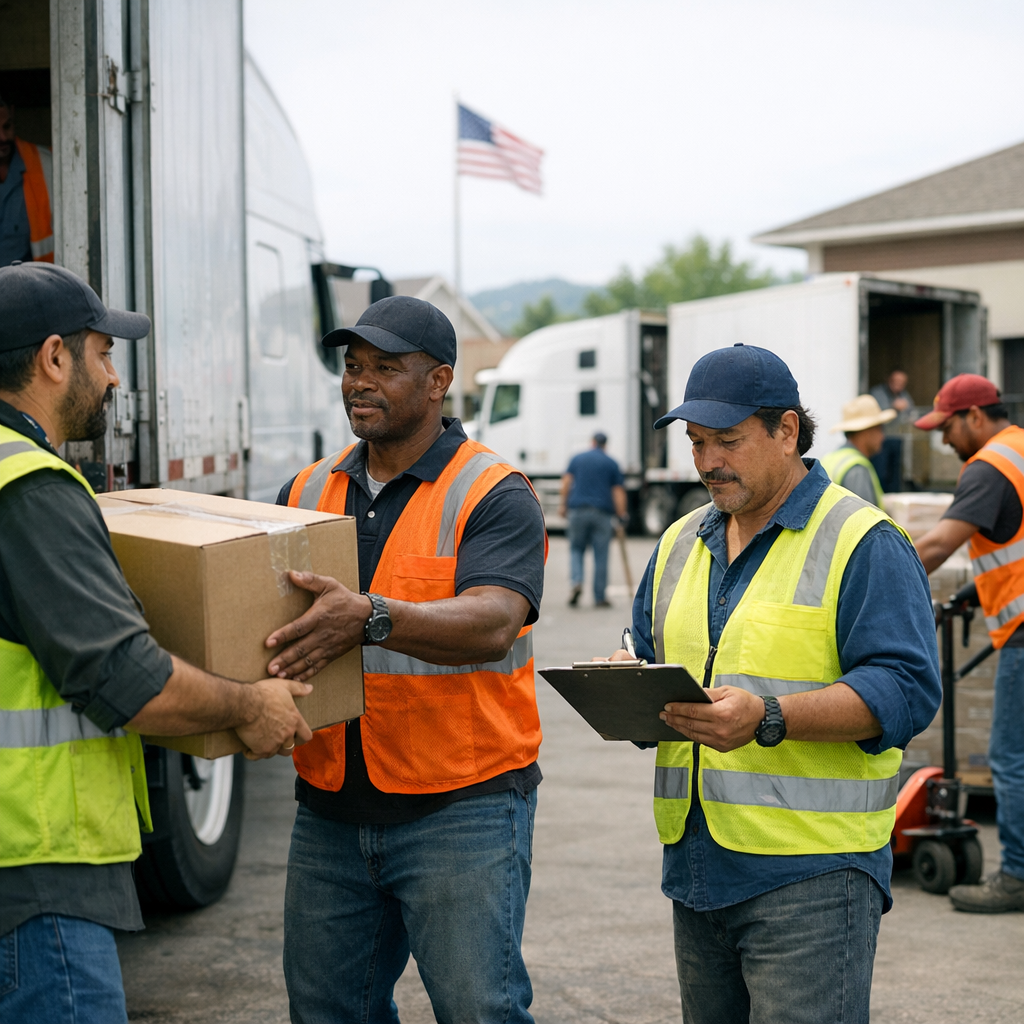
As of November 15, 2026, the growth of America's trucking industry, an essential pillar of the global supply chain, continues to drive unprecedented changes in workforce demographics, especially in small towns across the United States. An influx of immigrant workers, fulfilling critical labor shortages in freight and logistics, has reshaped local labor markets, economic sustainability, and community dynamics.
Driving Forces Behind Workforce Shifts
The trucking sector has faced sustained demand pressures due to evolving global trade patterns and just-in-time delivery models. This has amplified the need for reliable drivers and warehouse personnel. Many of these roles have increasingly been filled by immigrant labor, responding to the industry's call amid a domestic shortage of qualified drivers.
Data from the Department of Transportation indicate a 15% increase in immigrant participation in trucking and logistics roles since 2023, aligning with broader globalization trends affecting the workforce.
Local Economies and Infrastructure: Ripple Effects
While immigrant labor has been instrumental in sustaining freight operations, its rapid expansion within small communities has precipitated diverse socio-economic challenges:
- Housing shortages and rising rents due to population growth outpacing development.
- Strain on public services such as healthcare, schooling, and transportation infrastructure.
- Labor market competition leading to shifts in wage levels and employment opportunities for long-standing residents.
These factors compel local governments and stakeholders to balance economic benefits with sustainable community planning in the face of rapid workforce transformations.
Global Workforce Implications
The ongoing trends in the trucking and logistics workforce underscore significant shifts in global labor dynamics. The integration of immigrant workers into critical supply chain roles reflects larger patterns affecting developed economies:
- Increased reliance on international labor supplies to maintain essential infrastructure and services.
- Challenges in workforce integration and social cohesion amidst rapid demographic changes.
- Necessity for innovative policy frameworks addressing labor rights, training, and community inclusion.
These dynamics emphasize the urgency for adaptive workforce strategies on a global scale to address both supply chain resilience and community well-being.
Technological Adaptation and Future Outlook
Technology plays a pivotal role in shaping the future of the trucking workforce. Automation, including advanced driver-assistance systems and AI-based logistics management, presents both opportunities and challenges. While automation could alleviate some labor shortages, it also necessitates upskilling and educational initiatives to empower a diverse workforce.
Small towns experiencing workforce shifts must therefore integrate technological advancement with comprehensive workforce development programs to ensure equitable economic growth and social stability.
Conclusion
The immigrant-driven influx into America's trucking industry acts as a case study for the broader transformation of the global workforce. It underscores the interconnectedness of labor markets, technological evolution, and community dynamics amid globalization. Achieving a sustainable balance requires evidence-based policies that promote workforce inclusivity, infrastructure resilience, and forward-looking education strategies.












No comments yet. Be the first!