

The Federal Aviation Administration (FAA) experienced a significant outage recently, raising questions about the operational risks tied to federal contractors. L3Harris Technologies, a major defense and federal contractor, has been identified by Secretary Kevin Duffy as a potential contributor to the disruption. This incident not only highlights the technological vulnerabilities within critical infrastructure but also sheds light on evolving dynamics in the federal workforce and contractor relationships.
The Role of Federal Contractors in Workforce Transformation
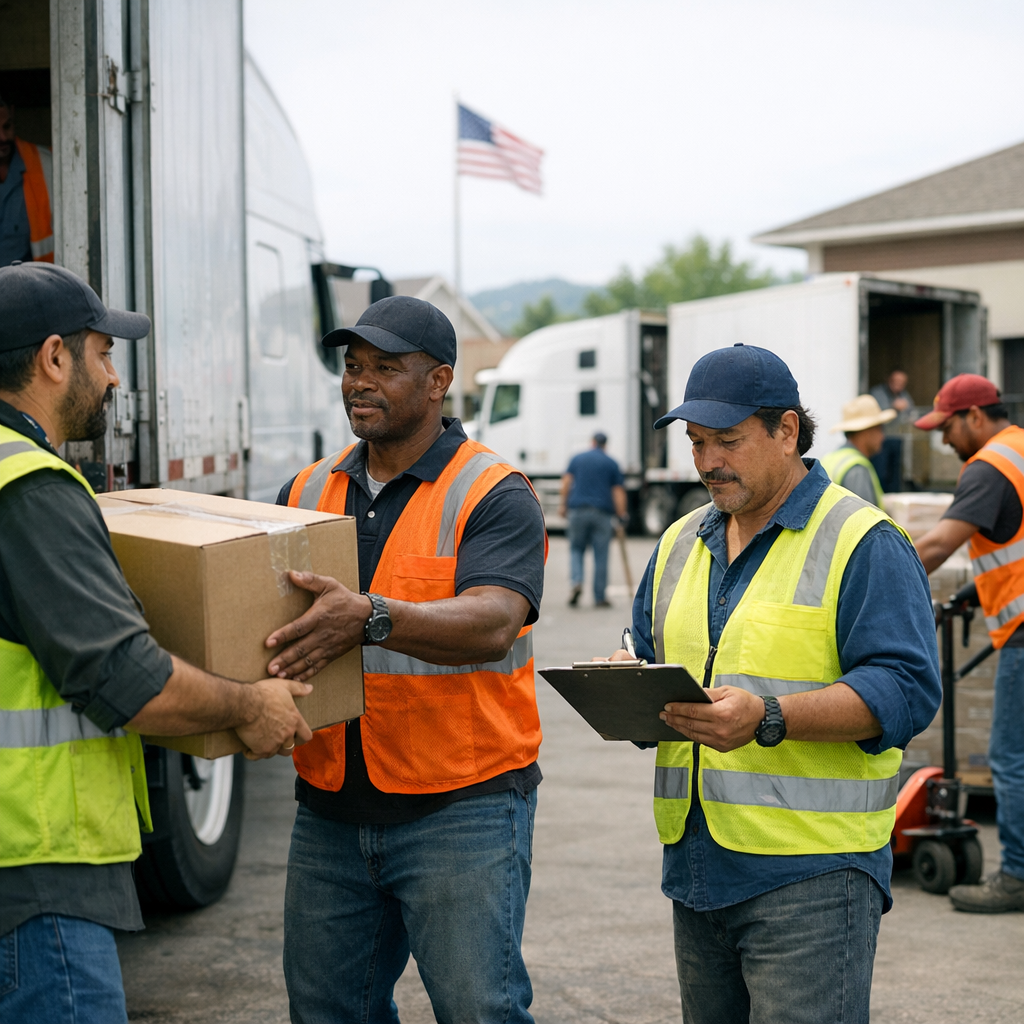
Modern government operations increasingly depend on private contractors like L3Harris to deliver specialized services. This partnership model is part of a broader trend aimed at integrating advanced technological expertise into public systems. However, the FAA outage serves as a case study into the complexity and risks inherent in this reliance.
Government contractors represent a hybrid workforce that blends public governance with private sector agility. The L3Harris incident underscores three critical areas:
- Risk Management: Federal agencies must enhance oversight mechanisms to anticipate and mitigate risks introduced by third-party operators.
- Workforce Integration: Harmonizing contractor personnel with internal teams to ensure seamless operational continuity and communication.
- Technological Dependence: Balancing innovation adoption with system resilience demands ongoing skills development and contingency planning within the workforce.
Broader Implications for the Global Workforce
While the immediate impact is national, the incident holds valuable lessons for the global workforce transformation — especially in sectors dependent on digital infrastructure and outsourced labor. Key takeaways include:
- Governance Frameworks: Organizations worldwide must rethink governance structures to manage cross-sector workforce collaboration efficiently.
- Reskilling Imperatives: Emerging technological disruptions require continuous learning and adaptability strategies for both in-house and contract workers.
- Data and Infrastructure Security: Strengthened cybersecurity and operational safeguards are critical to protect interconnected workforces and systems.
Challenges and Opportunities
From a strategic perspective, the FAA outage linked to L3Harris brings forth challenges that inform policymaking and workforce planning:
- Accountability: Defining clear responsibility boundaries between government entities and contractors remains complex but essential.
- Talent Ecosystem Development: Fostering a pipeline of professionals adept in both public sector and high-tech contracting environments is increasingly vital.
- Innovation vs. Stability: Governments must navigate the tension between adopting cutting-edge solutions through contractors and maintaining operational stability.
Conversely, this disruption opens opportunities for deeper collaboration models integrating diverse workforce modalities, enabling governments to harness specialized skills while safeguarding critical operations.
Conclusion
The FAA outage attributable to the federal contractor L3Harris exemplifies the complex interplay between technology, workforce models, and governance in today’s globalized labor environment. For policymakers, human capital leaders, and global workforce strategists, it presents a compelling imperative: to innovate workforce frameworks that are resilient, adaptive, and accountable to safeguard essential public services in an increasingly interconnected world.











No comments yet. Be the first!