
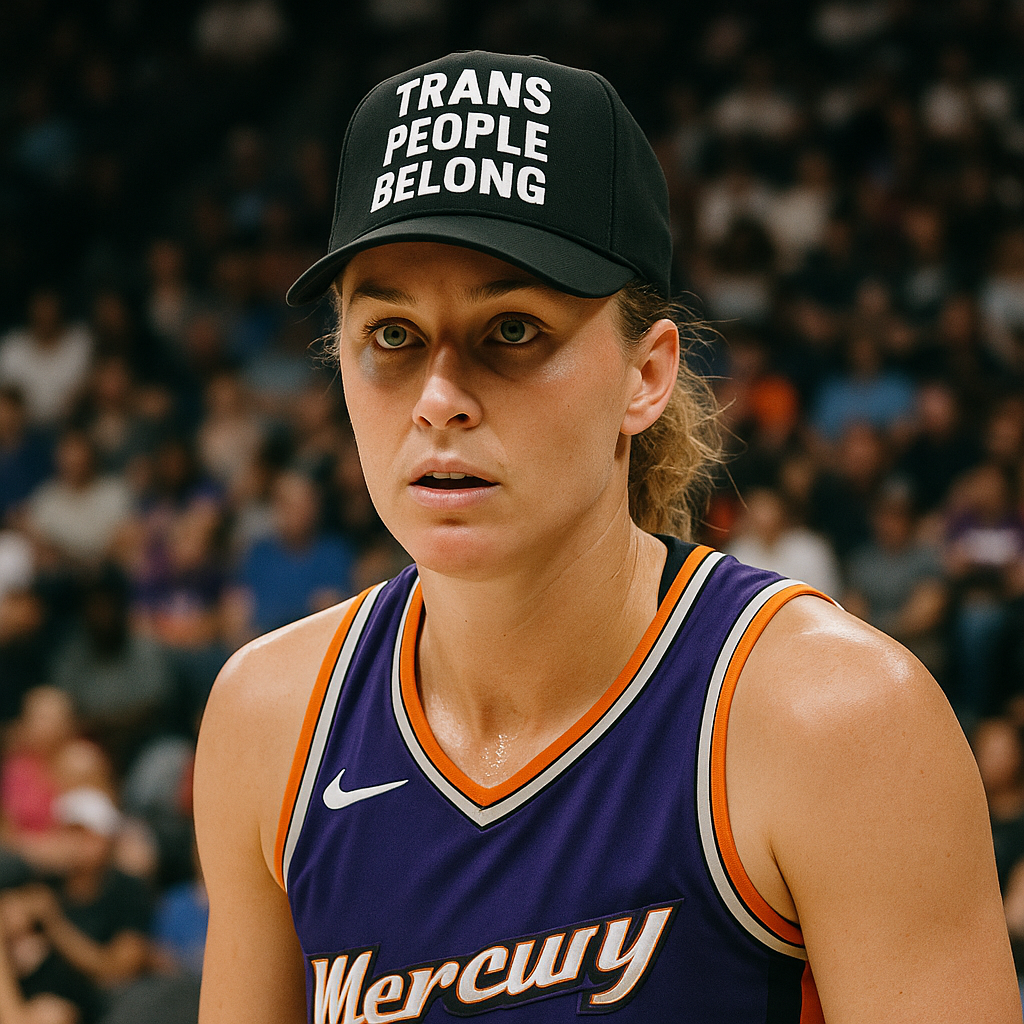
October 5, 2026 – Sophie Cunningham, a prominent player in the Women's National Basketball Association (WNBA), recently made headlines not just for her performance on court but for a bold sartorial statement addressing ongoing debates about gender identity. Her decision to wear a hat with a message challenging conventional definitions of womanhood highlights a growing conversation with significant implications beyond sports.
Broader Workforce Diversity Challenges
While the discourse initially revolving around sports often remains political or ideological, Cunningham’s gesture underscores a critical and evolving reality in the global workforce. Organizations worldwide are continuously adapting to more inclusive policies that recognize a spectrum of gender identities. This broadening focus impacts recruitment, retention, workplace culture, and even legal frameworks in multiple countries.
Key factors influencing workforce policies include:
- Recognition of non-binary and transgender identities in employment classifications.
- Development and implementation of gender-neutral facilities and dress codes.
- Ongoing training on diversity, equity, and inclusion (DEI) sensitive to nuanced gender identities.
- Challenges in balancing cultural, regional, and legal differences globally.
Impact on Workplace Inclusion and Productivity
The example set by public figures like Sophie Cunningham encourages organizations to rethink traditional approaches to identity and belonging at work. Companies reporting strong diversity and inclusion initiatives demonstrate improved employee satisfaction, creativity, and overall productivity.
Moreover, fostering environments where individuals can express their identities freely leads to a more engaged workforce and reduces costly attrition rates. The ripple effect of cultural acceptance through highly visible moments in sports can accelerate these positive trends.
International Corporate Responses
Multinational corporations have increasingly recognized the necessity to address gender identity in their global human resources strategies. Efforts include:
- Updating internal policies to avoid assumptions based on gender binaries.
- Launching awareness campaigns that align with societal shifts.
- Providing support systems such as employee resource groups (ERGs) dedicated to gender-diverse employees.
- Ensuring compliance with international labor laws that are progressively inclusive.
These measures reflect a commitment not just to social responsibility but to sustainable business practices responsive to evolving demographics and values.
Looking Ahead: Challenges and Opportunities
Despite progress, challenges remain, including varying degrees of acceptance in different regions and corporate resistance due to entrenched norms. However, with influencers like Sophie Cunningham spotlighting gender discourse in mainstream arenas, momentum continues to build.
Organizations willing to engage proactively will be better positioned to harness a diverse talent pool and navigate the complexities of identity in the modern workforce.











No comments yet. Be the first!