
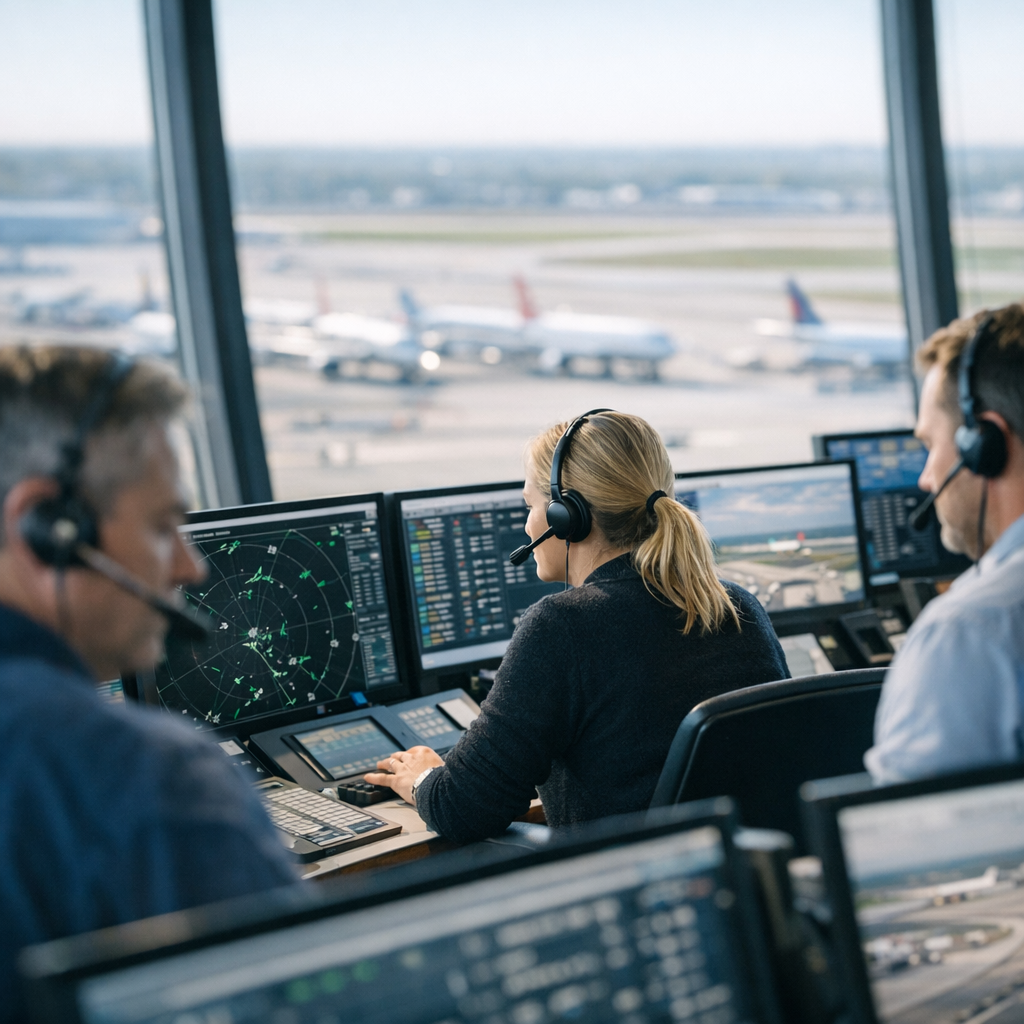
On November 14, 2026, the United States aviation industry faced a significant disruption following a nationwide air travel ground stop triggered by malfunctions in the aging Federal Aviation Administration (FAA) system. Although the immediate crisis was resolved with flights resuming shortly after, the event underscored deep systemic vulnerabilities within the air traffic control infrastructure with broad implications for the global workforce and the future of international aviation operations.
Underlying Causes and the Current FAA System Landscape
The FAA's air traffic management relies on decades-old technology that predates many of today's software and hardware cybersecurity standards. Experts estimate the cost of a comprehensive system overhaul to be upward of $50 billion, a figure highlighted by aviation leaders and policymakers as necessary for sustaining safety and efficiency. This demand comes amid exponential growth in air travel globally and increasing reliance on digital and automated systems.
Such incidents reveal the urgent need for investment in modern, resilient infrastructure optimized for rapidly evolving technological environments and increased traffic volumes. Moreover, they highlight an overlooked dependency between technological robustness and workforce preparedness within the sector.
Impact on the Global Aviation Workforce
The air traffic controller workforce faces significant pressure due to outdated systems that complicate operations and increase cognitive load. The recent disruption demonstrated how system failures ripple across logistics, airline staff scheduling, and passenger services internationally:
- Increased Stress and Burnout: Controllers must manage manually intensive workarounds during outages, heightening fatigue and risks of errors.
- Training and Skill Development: Workforce training must adapt to integrate new technologies, requiring continuous upskilling and investment in human capital.
- Talent Retention Challenges: The risk of recurring disruptions can undermine workforce stability, as skilled personnel seek employment in more technologically advanced or less stress-intensive roles.
These workforce dynamics are echoed globally, as international airports and airlines are interconnected, making collaborative modernization efforts vital for systemic resilience.
Strategic Recommendations for Future-Proofing Aviation Infrastructure
Approaching this multifaceted challenge requires coordinated action among governments, industry stakeholders, and educational institutions to align technological upgrades with workforce development:
- Investment in Cutting-Edge Technology: Prioritize replacement or augmentation of legacy FAA systems with scalable, secure digital platforms capable of handling future traffic demands.
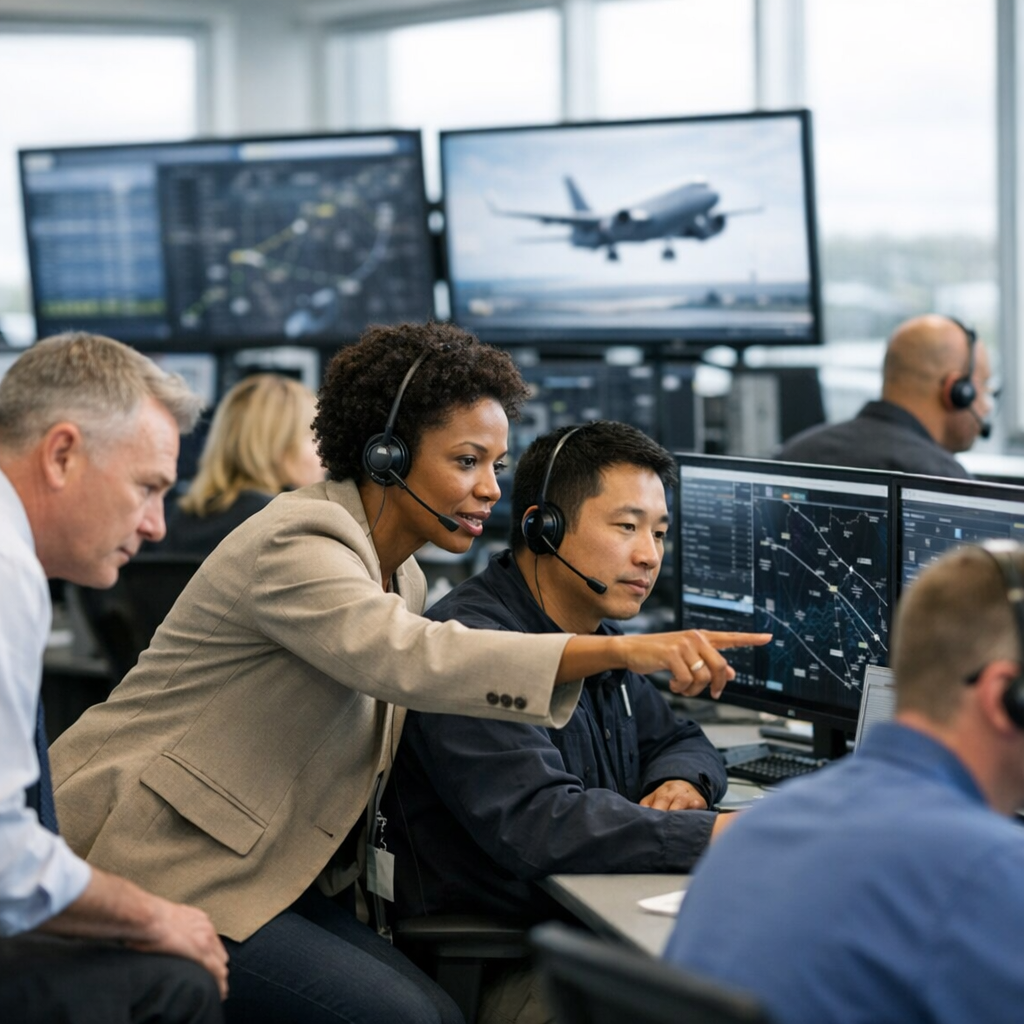
- Comprehensive Workforce Training Programs: Develop continuous professional development frameworks employing simulation, AI-assisted decision support systems, and cybersecurity training.
- International Collaboration: Forge partnerships across countries to harmonize regulations, share technological advancements, and optimize cross-border air traffic management.
- Resilience Planning: Implement contingency protocols and infrastructure redundancies to maintain operations during unexpected system failures.
- Investment in Human Factors Research: Enhance understanding of how technological changes impact controller performance and well-being to inform design and policy.
Broader Implications for the Global Workforce and Aviation Industry
The FAA's system challenges serve as a microcosm of infrastructural and workforce issues faced across critical global industries in the digital age. Aviation, being a linchpin of global commerce and mobility, exemplifies how technology and human capital must evolve in tandem to maintain service continuity and safety on an international scale.
Furthermore, this episode emphasizes the increasing importance of cross-disciplinary strategies integrating engineering, policy, and human resources to prepare the workforce for technological disruptions. Countries and corporations leveraging proactive investment in both infrastructure and their workforce are better positioned to lead and innovate in the increasingly complex global travel ecosystem.
Conclusion
The recent FAA system failure and consequent nationwide air travel suspension reveal a pressing need to modernize air traffic infrastructure and simultaneously invest in the aviation workforce's capacity to manage evolving technologies. Addressing these dual challenges is imperative not only for the United States but as a model for global aviation to ensure resilience, safety, and efficiency in the decades to come.
Strategic, evidence-based interventions fostering technological innovation aligned with workforce development will define the future robustness of the global air travel sector, crucial for sustaining economic growth and international connectivity.








No comments yet. Be the first!